What Is Accurate Metal Spinning and Why Does It Matter?
Accurate Metal Spinning is more than shaping a metal disc over a rotating mandrel. It is a controlled forming process where pressure, speed, tooling, and material behavior must work together. The goal is not simply a round part. It is a component with consistent dimensions, smooth surfaces, reliable wall thickness, and predictable performance.
As metal-spinning specialist Paul D. Wilson explains, “Precision is not created during final inspection; it is built into every pass of the forming tool.” This principle reflects real workshop experience. A skilled operator watches the roller contact, listens to machine vibration, and checks the part after each critical pass. Even a small change in feed rate can create thinning, wrinkling, or unwanted stress near the rim.
Why does this matter? Accurate Metal Spinning supports demanding products in aerospace, automotive, lighting, medical equipment, and industrial machinery. Proper control can reduce material waste and limit secondary machining. It can also improve repeatability across production batches.
The process is not flawless.
Material hardness may vary. Tool alignment may drift. Measurements can still miss subtle deformation. That is why experienced manufacturers combine digital inspection with practical judgment. They review forming data, test sample parts, and adjust methods when results disagree with expectations.
A reliable result is engineered, observed, and questioned. This article explores how Accurate Metal Spinning works, which variables affect quality, and why precision remains essential from the first setup to the final inspection.
What Accurate Metal Spinning Means
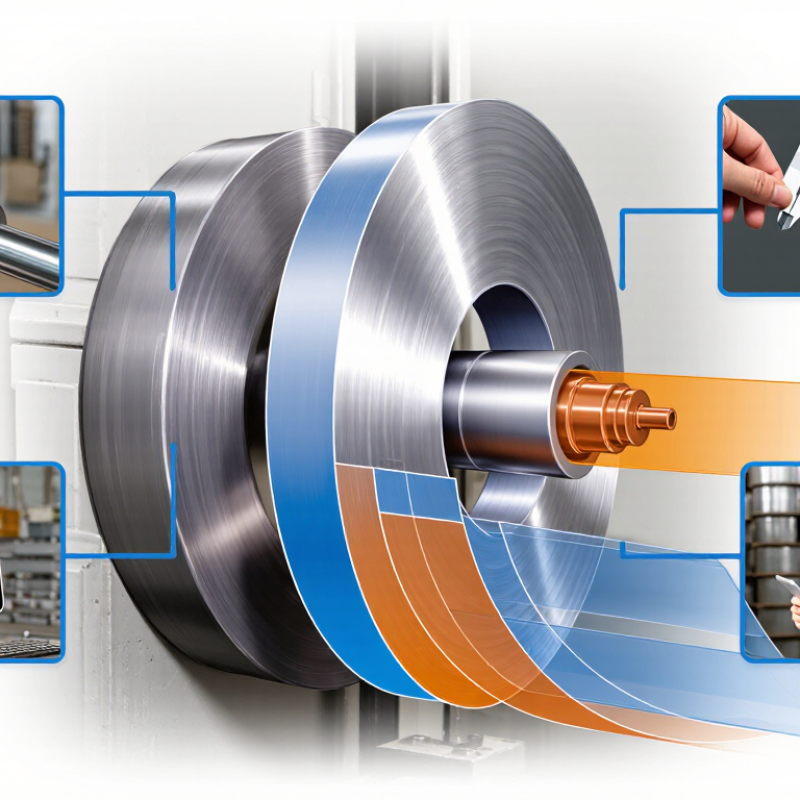
Accurate metal spinning means forming a flat metal blank into a precise, round component. A roller gradually presses the blank over a shaped mandrel. The process looks simple, but small movements can change the final profile. Accuracy includes diameter, height, wall thickness, concentricity, and surface condition. It also means producing the same result across repeated parts.
In practical production, accuracy begins before the machine starts. Engineers review the material grade, blank size, mandrel geometry, roller path, and forming speed. Operators then monitor springback, heat, wrinkles, and thinning during each pass. Measurement tools can check critical dimensions after forming. Templates, calipers, gauges, and coordinate measuring equipment each reveal different problems. I have found that a part may look correct while its wall thickness quietly falls outside specification.
That detail matters.
Reliable metal spinning requires controlled tooling and documented inspection. Tolerances should match the component’s function, not unrealistic expectations. A tight tolerance can increase forming passes, inspection time, and production cost. A loose tolerance may create assembly gaps, vibration, or leakage. Material behavior also changes with thickness and alloy condition. This is where experience matters, although experience is not infallible. A skilled operator can recognize a developing wrinkle, but visual judgment alone should not approve a critical part. Accurate spinning is therefore a balance of process knowledge, measurement, and honest review. Sometimes the best improvement begins with questioning an accepted setup.
How the Accurate Metal Spinning Process Works
Accurate metal spinning begins with a flat metal blank, a shaped mandrel, and a controlled forming roller. The blank rotates while the roller moves gradually across its surface. Pressure changes the blank into a precise shell without cutting away most of the material. This matters because metal spinning can produce strong, lightweight parts with fewer joints.
The process needs careful setup. Technicians check blank diameter, material thickness, mandrel geometry, roller pressure, feed speed, and lubrication. CNC control improves repeatability, but it cannot remove every risk. Springback may slightly change the final angle. Small tool marks can also remain. That is where experience matters.
Material choice affects every decision. The World Steel Association reported about 1.89 billion tonnes of crude steel production in 2023. The International Aluminium Institute reported roughly 70.6 million tonnes of primary aluminium production for the same year. These volumes show why controlled forming remains important across major manufacturing sectors. Steel usually needs higher forming force, while aluminium may show marks more easily. A practical inspection often combines calipers, templates, surface checks, and coordinate measurement. Measurements should follow the drawing and agreed tolerances, not personal judgment. A useful process, though not a perfect one.
Key Equipment and Materials Used in Metal Spinning
Accurate metal spinning shapes a flat metal disc over a rotating mandrel. The process can produce seamless cones, domes, and round housings. In practical shop work, accuracy begins with a rigid spinning lathe or CNC spinning machine. The frame must resist vibration during heavy forming. Even a small movement can leave uneven walls.
The mandrel controls the part’s internal shape. It is usually made from hardened steel, aluminum, or a durable composite material. Rollers apply pressure gradually against the disc. Different roller noses suit different radii and forming stages. A tailstock holds the blank firmly, while a sharp cutting tool removes excess material. Digital calipers, micrometers, height gauges, and profile templates help verify dimensions. They reveal problems that eyesight often misses.
Material choice changes the entire operation. Aluminum spins easily and suits lightweight covers and reflectors. Stainless steel needs stronger equipment, careful speed control, and steady lubrication. Copper forms smoothly but can mark under excessive pressure. Mild steel offers strength, yet it demands more force and controlled passes. I have seen experienced operators misjudge springback after a final pass. It happens. For this reason, I measure wall thickness at several points, not just near the opening. Surface finish also depends on clean tooling, suitable lubricant, and consistent feed pressure. A polished mandrel does not fix poor setup.
Factors That Affect Metal Spinning Accuracy
Accurate metal spinning means forming a round blank over a mandrel while holding the required shape, thickness, and dimensions. In practice, accuracy is not one number. It includes wall thickness, diameter, angle, surface finish, and repeatability. A part may look smooth yet fail a gauge check. That distinction matters in lighting housings, pressure components, and other close-fit parts.
Material behavior is the first major influence. Aluminum, stainless steel, and copper respond differently to force, heat, and work hardening. Grain direction and inconsistent sheet thickness can shift the result before forming begins. Blank diameter also matters. Too much material creates wrinkles; too little causes thinning or an incomplete flange. Tooling alignment is equally important. A slightly off-center mandrel can produce uneven walls and runout. Machine rigidity, roller geometry, feed rate, and forming passes then control how steadily metal moves. Lubrication reduces friction, but excessive lubricant can hide process instability. Small details matter.
Experienced operators check the setup with trial parts, measured wall sections, and runout readings. They adjust roller pressure gradually rather than chasing dimensions in one aggressive pass. Springback remains a practical problem, especially with harder alloys. Compensation can work, but it should come from measured data, not habit. Perfect repeatability is rare. Temperature, tool wear, and operator technique also affect longer production runs. I have seen a visually excellent part fail because its back wall was slightly thin. That result is frustrating, but useful. It shows why inspection must follow the drawing, not appearance alone.
What Is Accurate Metal Spinning and Why Does It Matter?
Thermal expansion can directly affect dimensional accuracy during metal spinning. The chart compares typical linear coefficients of thermal expansion for commonly spun metals at room temperature. Higher values indicate greater dimensional change as temperature rises.
Other important accuracy factors include material thickness, springback, tool rigidity, spindle speed, feed rate, lubrication, blank alignment, and temperature control. Values shown are typical engineering reference values and may vary with alloy and processing conditions.
Industrial Applications and Benefits of Accurate Metal Spinning
Accurate metal spinning shapes a flat metal blank over a rotating mandrel, using controlled pressure instead of multiple welded parts. In industrial production, this method creates housings, reflectors, funnels, vessel components, and duct sections. The process supports aluminum, stainless steel, copper, and selected high-strength alloys. Each material responds differently. Tooling selection matters.
Manufacturers value metal spinning for repeatable dimensions, smooth surfaces, and reduced material waste. It can produce prototypes economically, then support medium or higher-volume production with suitable automation. Aerospace, lighting, medical equipment, energy, and ventilation industries use spun parts where weight, strength, and clean geometry matter. A controlled operation may reduce seams and potential leak paths. It can also shorten lead times when deep-drawn tooling becomes expensive to modify. However, accurate does not mean automatic perfection. Springback, wall thinning, mandrel alignment, and operator technique can affect results. Calibrated gauges, coordinate measurement, and thickness checks help verify critical tolerances. Experience remains important, especially when drawings allow little room for error.
Tips: Define tolerances before tooling begins. Test a small batch. Check thickness at the base, wall, and rim. Record forming speed, lubrication, and pass count. These details make troubleshooting practical, although production teams sometimes overlook them under schedule pressure.