Top 10 Advantages of Spinning Machining for Precision Manufacturing?
In the world of precision manufacturing, Spinning Machining emerges as a powerful technique. David Johnson, an industry expert with over 20 years of experience, once said, "Spinning Machining combines efficiency and accuracy like no other." This statement underscores the growing significance of this manufacturing method.
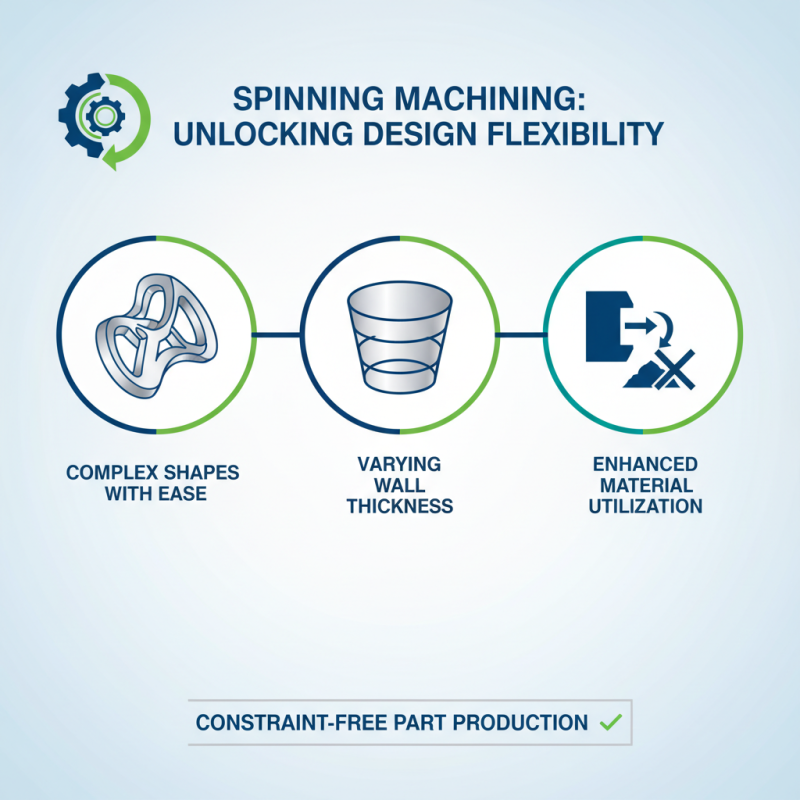
Spinning Machining offers numerous advantages that cater to the demands of modern production. It allows for the creation of complex shapes with minimal material waste. Manufacturers appreciate that parts can be produced quickly. However, the learning curve can challenge new adopters. Implementing this technology requires expertise and careful planning.
Despite its benefits, Spinning Machining is not without its drawbacks. Not all materials are suitable for this process. Enthusiasts may overlook the need for detailed knowledge of tool design. Embracing Spinning Machining can transform manufacturing but requires thoughtful consideration. The potential is vast, yet the journey demands persistence and insight.
Advantages of Spinning Machining in Precision Part Production
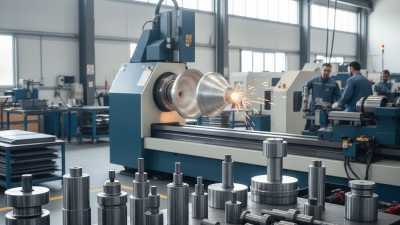
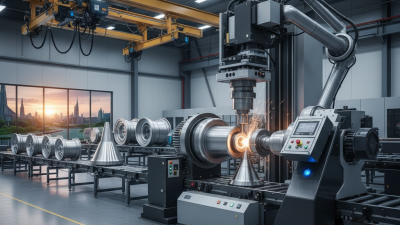
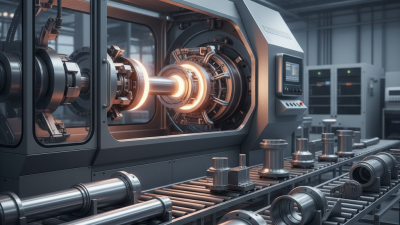
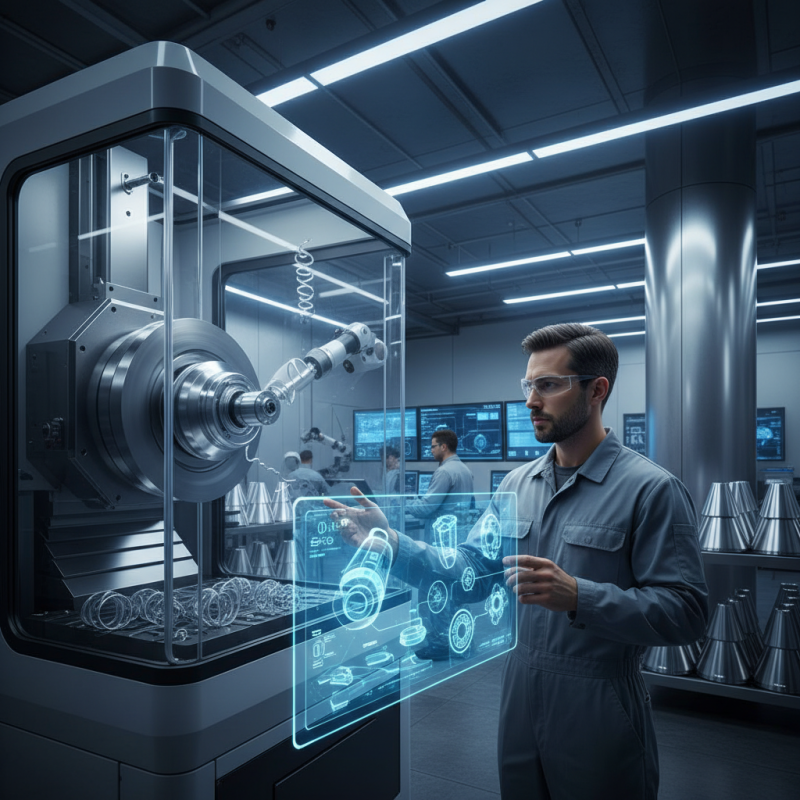
Spinning machining is a unique method in precision part production. This process involves rotating a workpiece while a cutting tool shapes it into precise geometries. The control it offers allows for high accuracy, often critical in industries like aerospace and automotive. Parts produced this way tend to have excellent surface finishes, reducing the need for additional finishing work.
One limitation of spinning machining is the skill required to operate the equipment effectively. Operators must understand the dynamics of the process to avoid defects. Common issues include uneven thickness, which can lead to part failure. Additionally, not all materials are suitable for spinning. Some harder metals may not yield well, resulting in increased production costs.
Despite these challenges, spinning machining remains a powerful technique. It can create lightweight, strong components that meet rigorous standards. Precision parts produced through spinning are often more cost-effective than traditional methods. This efficiency drives manufacturers to explore its potential further. It invites a deeper investigation into material selection and process optimization for even better results.
Enhanced Surface Finish through Spinning Techniques
Spinning machining is an innovative process enhancing surface finish in precision manufacturing. This technique allows for the creation of complex shapes with remarkable accuracy. In fact, industry reports indicate that spinning can achieve surface finishes as fine as Ra 0.2µm, far superior to conventional machining methods.
The unique mechanics of spinning involve applying high rotational speeds. This minimizes tool marks and produces a smoother finish on parts. Some studies suggest that a well-executed spinning process can reduce the need for additional polishing by up to 30%. However, operators must be skilled. Inadequate knowledge can lead to uneven surfaces, which affects the final product's quality.
Despite its advantages, spinning machining is not without challenges. Material choice is critical; not all alloys respond well to spinning. Some metals may warp, leading to defects. It’s also essential to monitor the process closely. A small error in parameters can result in significant inconsistencies. Balancing precision with production efficiency requires constant adjustment and attention.
Top 10 Advantages of Spinning Machining for Precision Manufacturing
| Advantage |
Description |
Impact on Manufacturing |
| Improved Surface Finish |
Spinning machining creates smoother surfaces due to the continuous deformation process. |
Reduces the need for secondary finishing processes. |
| Material Efficiency |
Less waste generated compared to traditional machining methods. |
Lower material costs and environmental benefits. |
| Cost-Effectiveness |
Quicker production times lead to reduced operational costs. |
Increased profit margins for manufacturers. |
| Versatility |
Can be used to produce a wide variety of shapes and designs. |
Enhanced capabilities to meet diverse customer needs. |
| High Precision |
Allows for tight tolerances and high dimensional accuracy. |
Improved product quality and consistency. |
| Process Simplicity |
Simple setup and execution compared to multi-step machining processes. |
Reduced lead times in manufacturing workflows. |
| Reduced Setup Time |
Fewer machine changes required, leading to faster transition times. |
Increased productivity on the shop floor. |
| Enhanced Strength |
Strengthens materials through the spinning process, reducing fatigue. |
Longer-lasting components and machinery. |
| Customization Opportunities |
Easily adaptable to bespoke orders and unique specifications. |
Ability to cater to niche markets effectively. |
| Minimized Tool Wear |
Lower stress on tooling results in longer tool life. |
Cost savings on tool replacements and maintenance. |
Superior Material Utilization in Spinning Processes
Spinning machining stands out for its efficient use of materials. This process minimizes waste by using the material that’s inherently available. By spinning, manufacturers can create complex shapes, often without heavy cutting. Traditional machining typically produces more scrap, leading to higher costs.
The precision of spinning allows for thin-walled parts. These parts require less material and still maintain strength. As a result, the overall material utilization rate improves significantly. This means savings for the manufacturer and reduced impact on resources. Such efficiency is essential in today’s cost-conscious environment.
Tip: Consider the design early. It can greatly influence material savings. Simpler designs often translate to less waste and faster production. Remember to evaluate the shapes you'll need. More complex forms may necessitate careful planning to minimize excess material. Engage with your manufacturing team to explore optimal designs that align with spinning capabilities.
Top 10 Advantages of Spinning Machining for Precision Manufacturing
This chart illustrates the top 10 advantages of spinning machining in precision manufacturing. Each advantage is rated on a scale of 1 to 10, showcasing the strengths of spinning processes in various aspects such as material utilization, surface finish, and cost efficiency.
Cost-Effective Production for Large Volume Manufacturing
Spinning machining is a powerful method for precision manufacturing, especially in large volume production. It offers a unique blend of speed and efficiency. This method reduces material waste. Thus, it's cost-effective over time. Savings grow exponentially as production scales up.
Consider this: when planning a project, carefully assess the design requirements. Make sure the geometry suits spinning. Complex shapes can lead to complications. Mistakes may result in costly reworks. Always prototype before full production. This step can save resources.
Another tip is to stay updated on advancements in spinning technology. Innovations can boost productivity and refine accuracy. Outdated methods may not keep pace with modern demands. Being open to learning can enhance overall results. Engage with professionals in the field. Share experiences; this collaboration can lead to better strategies.