Top Benefits of Copper Metal Spinning for Industrial Applications?
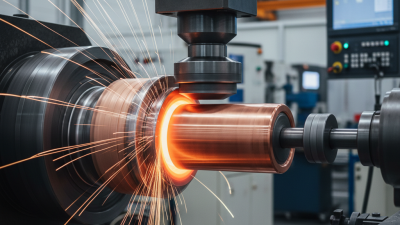
Copper Metal Spinning is gaining traction in various industrial sectors due to its numerous advantages. The technique allows for efficient production of complex shapes, promoting both flexibility and creativity in design. According to a report by MarketsandMarkets, the global metal spinning industry is projected to grow significantly, driven by the rising demand for bespoke and high-quality components.
One of the standout benefits of Copper Metal Spinning is its cost-effectiveness. Compared to traditional machining processes, metal spinning can reduce material waste. This translates to lower overall production costs, making it attractive for manufacturers. Additionally, copper's superior conductivity properties are essential in industries like electronics and energy, where performance is paramount.
Despite its advantages, projecting a flawless execution in Copper Metal Spinning requires expertise. Companies must invest in skilled labor and advanced technology to fully realize its potential. While it offers numerous benefits, challenges such as equipment maintenance and material consistency persist. This ensures that the success of Copper Metal Spinning relies heavily on ongoing reflections and adjustments in practices.
Advantages of Copper Metal Spinning in Industrial Manufacturing
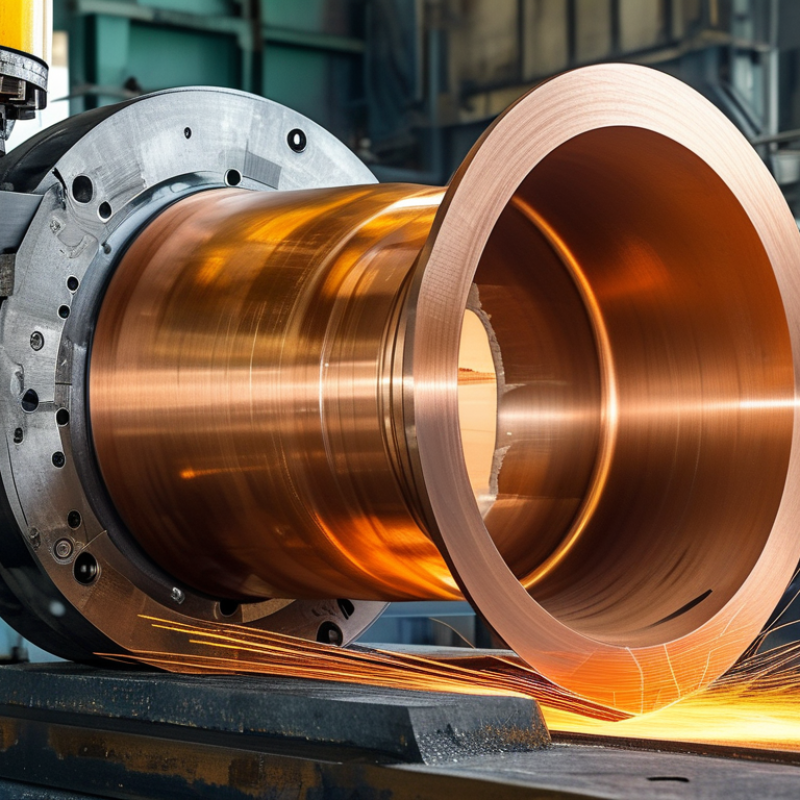
Copper metal spinning offers distinct advantages for industrial manufacturing. This process allows for precise shaping of copper into complex geometries required in various sectors. According to a report by the Copper Development Association, copper's high thermal and electrical conductivity makes it a preferred choice in electrical components. Metal spinning ensures a seamless finish, minimizing the need for additional machining.
The durability and corrosion resistance of copper are critical for industries such as aerospace and automotive. Notably, copper's recyclability contributes to sustainability efforts in manufacturing. The U.S. Geological Survey reported that copper could be recycled without loss of quality, making it a wise investment in an eco-conscious market.
However, challenges do exist. Achieving perfect geometric precision can be technically demanding and may require skilled operators. Additionally, copper's cost fluctuates based on market demand. While it brings numerous benefits, the initial investment in copper components may deter some manufacturers. Balancing these factors with the long-term advantages of copper metal spinning is essential for decision-makers in industrial applications.
Enhanced Product Durability through Copper Metal Spinning Techniques
Copper metal spinning offers significant advantages in terms of product durability. The process enhances the mechanical strength of copper, making it ideal for demanding industrial applications. According to a report by the International Copper Association, copper's ultimate tensile strength is around 210 MPa, allowing for enhanced performance in high-stress environments.
Moreover, the spinning techniques used in metalworking improve the grain structure of copper. This results in a finer and more uniform grain, contributing to improved fatigue resistance. A study published in the Journal of Materials Science demonstrated that components produced through metal spinning have a higher resistance to cracking and deformation. Such durability is crucial in sectors like aerospace and automotive, where component failure can lead to significant safety concerns.
Despite these advantages, there are challenges to consider. The spinning process requires precise machinery and skilled operators. Variability in the material or technique can affect the final product's quality. It’s essential for manufacturers to invest in training and technology for optimal results. The balance between cost and quality is always a consideration, as it can influence the long-term viability of using copper components in various applications.
Top Benefits of Copper Metal Spinning for Industrial Applications
| Benefit |
Description |
Application Examples |
| Enhanced Durability |
Copper's high strength and resistance to corrosion contribute to longer-lasting products. |
Pipes, electrical connectors |
| Excellent Thermal Conductivity |
Copper's ability to conduct heat efficiently makes it ideal for heat exchangers. |
Heat sinks, cooling systems |
| Versatile Fabrication Methods |
Various spinning techniques allow for complex shapes and designs. |
Custom components, decorative items |
| Cost-Effective Production |
Metal spinning reduces waste and enhances production efficiency. |
Manufacturing processes in various industries |
| Aesthetic Appeal |
Copper finishes provide a warm, attractive look for products. |
Home decor, artistic installations |
Cost-Effectiveness of Copper Spinning in Industrial Applications
Copper metal spinning offers substantial
cost-effectiveness for industrial applications. The process enables manufacturers to produce intricate shapes
with minimal waste. According to a report by the International Copper Association,
using copper can reduce material costs by up to 25%.
The high conductivity and durability of copper means longer-lasting products, which further minimizes expenses over time.
In addition, copper spinning is highly efficient. Industries can achieve complex forms that would typically require extensive machining.
This reduces both labor and energy costs, resulting in a more favorable bottom line. A study by the Manufacturing Institute
noted that companies adopting spinning techniques reported a 30% reduction in production time.
However, the learning curve for operators can impact initial productivity. Despite this, the long-term financial benefits often
outweigh the early challenges.
Moreover, copper's recyclability plays a pivotal role in its cost-effectiveness. Recent findings from Eco-Management and Audit Scheme
emphasize that recycling copper saves up to 85% of energy compared to virgin production.
This presents a sustainable option for industries aiming to diminish their carbon footprint while ensuring economic viability.
However, careful sourcing of recycled materials is necessary to maintain quality standards in final products.
Versatility of Copper in Various Industrial Designs and Products
Copper metal spinning has gained recognition for its versatility in various industrial applications. This malleability allows for intricate designs and shapes that are often required in modern manufacturing. According to a report from the International Copper Association, copper is utilized in over 15,000 products, showcasing its widespread industrial importance. Its excellent electrical conductivity makes it a key choice in electrical applications, while its corrosion resistance benefits plumbing systems and architectural designs.
The adaptability of copper allows it to be spun into various forms, including cylindrical components, reflective surfaces, and custom fixtures. Industrial designers appreciate how easily copper can be integrated into different product lines. Research indicates that 63% of designers prefer materials that are sustainable and easy to work with. Although copper shows exceptional properties, it is essential to consider potential challenges such as oxidation, which can affect appearance and performance over time.
Tips: Ensure proper surface treatment to enhance the longevity of copper products. Experiment with different finishes to achieve desired aesthetic effects. Always consider weight limitations in your designs, as copper can add significant mass to components.
Environmental Benefits of Using Copper in Industrial Metal Spinning
Copper is increasingly favored in industrial metal spinning due to its unique properties. This metal is well-known for its excellent thermal and electrical conductivity. These attributes enhance the efficiency of various applications, reducing energy consumption. Moreover, copper’s durability contributes to the longevity of products, minimizing waste.
From an environmental perspective, using copper offers significant benefits. Copper is 100% recyclable without loss of quality. This means that products can be reprocessed and reused multiple times. The lifecycle of copper minimizes the need for new raw materials, reducing environmental impact. Furthermore, copper's natural antimicrobial properties can improve the hygiene levels in industries like food processing and healthcare.
However, challenges remain. The mining and refining processes can be environmentally damaging if not managed properly. Additionally, while copper is recyclable, the infrastructure for recycling may not be universally available. These factors necessitate ongoing reflection on the practices surrounding copper usage. Prioritizing sustainability in the metal spinning industry requires a collective effort to enhance recycling infrastructures and sustain copper's environmental benefits.
Top Benefits of Copper Metal Spinning for Industrial Applications