What Are the Benefits of Copper Metal Spinning for Manufacturers?
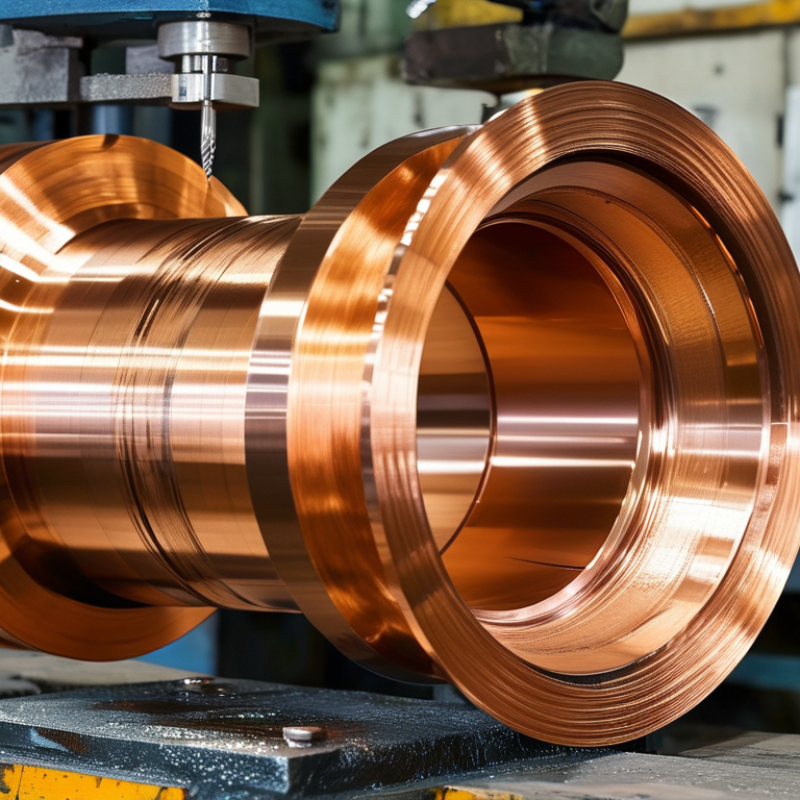
Copper Metal Spinning is an innovative manufacturing technique. It allows for the precise shaping of copper into various forms. This process is efficient and cost-effective for producers.
One of the primary benefits is the reduction in material waste. Traditional methods often lead to significant losses. Copper Metal Spinning minimizes these losses by transforming raw material into finished products effectively. It requires less energy and leads to better resource utilization.
Moreover, manufacturers find that Copper Metal Spinning allows for greater design flexibility. This method accommodates custom designs without lengthy production times. However, it also presents challenges. Skilled operators are essential to avoid defects during the spinning process. Balancing efficiency and quality remains a key concern in this field.
Advantages of Copper Metal Spinning in Manufacturing Processes
Copper metal spinning offers unique advantages for manufacturers looking to improve their production processes. One significant benefit is its ability to create complex shapes with high precision. This technique allows for the efficient forming of copper into various geometric profiles, which can be essential for applications in industries like aerospace and automotive. The capacity to produce intricate designs reduces material waste and lowers overall costs.
Another advantage of copper metal spinning is the excellent durability and conductivity of copper itself. This makes it an ideal material for components that require thermal and electrical performance. Spinning techniques enable manufacturers to produce large quantities of these components quickly. However, not all designs will translate well into a spun format, and experimentation may be needed to achieve optimal results.
Moreover, while copper spinning is efficient, it can be labor-intensive. Skilled workers are essential for overseeing the process and ensuring quality. This could lead to production delays if skilled labor is not readily available. The learning curve associated with mastering the spinning technique might also pose a challenge. Adapting to machines and refining skills require time and investment. Balancing these factors is crucial for manufacturers aiming to harness the benefits of copper metal spinning effectively.
Benefits of Copper Metal Spinning for Manufacturers
This chart illustrates the various benefits of copper metal spinning for manufacturers, highlighting their ratings on a scale of 1 to 10. The key advantages include cost-effectiveness, versatility, durability, electrical conductivity, and thermal conductivity, showing that copper remains a top choice in manufacturing processes.
Enhanced Material Properties of Copper Through Spinning Techniques
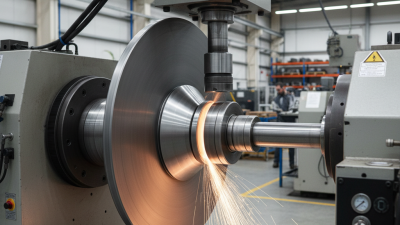
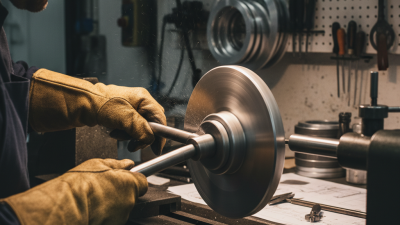
Copper metal spinning is a process that enhances the material's properties significantly. This technique involves rotating copper on a lathe, allowing it to form into various shapes. As the metal spins, it becomes more malleable. This malleability is crucial for creating complex designs that can meet specific requirements.
The spinning process also improves the density of copper. Increased density means greater strength and durability. Manufacturers can produce thinner and lighter components without compromising quality. This leads to cost savings. However, not all copper grades perform equally well. Some may require adjustments during spinning. Careful selection and testing are essential.
Despite the advantages, there can be challenges. Variations in temperature can affect the outcome. If the copper is too hot or too cold, it may not spin correctly. This can result in defects. Continuous monitoring is necessary to achieve optimal results. Proper training and expertise are crucial in mastering this technique, ensuring the final products meet industry standards.
Cost Efficiency and Waste Reduction in Copper Metal Spinning
Copper metal spinning has gained popularity among manufacturers due to its cost efficiency and effective waste reduction. According to industry reports, traditional machining techniques can generate up to 30% waste, significantly increasing production expenses. In contrast, metal spinning minimizes material waste to around 5%. This efficiency allows manufacturers to utilize more of their resources effectively.
One of the key benefits of copper metal spinning is its ability to create complex shapes with less initial material. This is particularly beneficial in industries like aerospace and automotive manufacturing, where precision is critical. Metal spinning processes can shape and form copper into various components without extensive machining. This not only cuts costs but also speeds up production times.
Tips: To enhance cost efficiency, consider combining processes such as spinning and stamping. Layering techniques can further optimize material usage. Regularly reassessing your production methods can highlight areas for improvement. Staying updated with industry advancements will keep your manufacturing practices relevant and effective.
Versatility of Copper Spinning for Various Industrial Applications
Copper spinning is increasingly favored for various industrial applications due to its versatility. Manufacturers can create intricate designs while benefiting from copper's excellent conductivity. This metal is particularly used in electrical components and decorative items. The ability to shape copper into complex forms without compromising its durability enhances its appeal in many sectors.
For those considering copper spinning, here are some tips. Ensure that the design is feasible for spinning. Complex designs may require more time and resources. Additionally, always test the finished product for quality. Remember, even slight imperfections can impact the final use. Regular maintenance of tools also enhances performance and extends their life.
In many cases, there are limitations in the process. Not all designs translate well into copper spinning. It may require several iterations to refine a design. Balancing aesthetics with functionality can be challenging. Manufacturers need to stay flexible and adapt designs as necessary, allowing for better outcomes with each project.
Improved Production Speed and Precision in Copper Metal Components
Copper metal spinning offers significant advantages in production speed and precision. This technique allows manufacturers to shape copper into complex geometries efficiently. According to industry reports, companies using metal spinning can reduce production times by up to 40%. This efficiency is essential in meeting tight deadlines and increasing output.
Improved precision is another critical benefit. The controlled process of metal spinning leads to tighter tolerances. A study indicated that precision improvements can reach up to 0.01 mm for copper components. This high level of accuracy benefits aerospace, automotive, and electronics sectors, where exact dimensions are crucial. However, achieving such precision requires skilled operators and meticulous process control.
Despite these benefits, challenges persist. Variability in material quality can affect outcomes. There may also be a learning curve involved for newer operators. Continuous improvement in techniques and training is necessary. As the market evolves, manufacturers must adapt to maintain efficiency and precision in metal spinning processes.