Top 10 Benefits of Using a Fan Flanging Machine for Your Business?
In today's competitive manufacturing landscape, businesses must leverage advanced technologies for improved productivity. The "Fan Flanging Machine" has emerged as a pivotal tool for many industries. According to a report by MarketsandMarkets, the global market for industrial machinery, including flanging machines, is projected to reach $200 billion by 2025. This underscores the growing adoption of such technologies.
Investing in a Fan Flanging Machine can lead to significant operational advantages. For instance, these machines enhance precision and consistency in production. A study from the International Journal of Advanced Manufacturing Technology indicates that precise flange connections can improve the overall lifespan of products by up to 30%. However, businesses need to consider the integration and training required for optimal usage.
Moreover, while the benefits are clear, there are challenges. Companies may face initial setup costs and a learning curve for operators. Yet, the long-term gains often outweigh these hurdles. As firms continually seek efficiency and quality, the Fan Flanging Machine stands out as a critical asset, enhancing both product integrity and operational dynamics.
Advantages of Enhanced Production Efficiency with Fan Flanging Machines
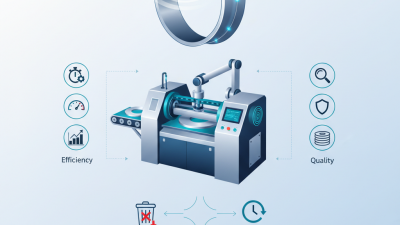
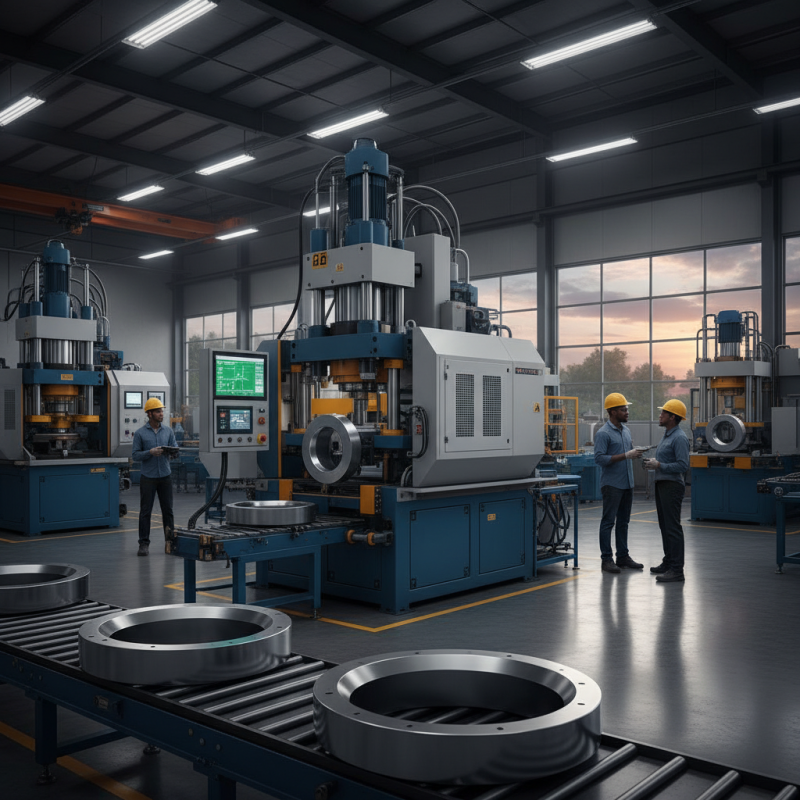
Fan flanging machines offer significant advantages for businesses aiming to enhance their production efficiency. These machines streamline the flanging process, reducing the time needed to create precise flanges on fans. In a fast-paced manufacturing environment, this efficiency translates to lower operational costs and the ability to meet tight deadlines. By automating the flanging process, companies can allocate their skilled workers to more complex tasks, optimizing labor usage.
Enhanced precision is another key benefit. Fan flanging machines ensure consistent flange quality, minimizing errors and rework. This reliability contributes to higher quality products, which can improve customer satisfaction.
However, it’s worth noting that investing in such equipment requires careful consideration of initial costs and ongoing maintenance. Not all businesses may realize immediate returns, leading to potential financial strain.
Moreover, adopting new technology can sometimes face resistance from staff accustomed to traditional methods. Training may be necessary, introducing a learning curve that could affect short-term productivity. Businesses need to balance the benefits of efficiency gains against the challenges of change management. Emphasizing a gradual transition can help in maximizing the advantages of using fan flanging machines while minimizing disruption.
Cost Savings Through Automated Flanging Processes in Manufacturing
In today's competitive manufacturing landscape, automated flanging processes can lead to significant cost savings. Reports indicate that automating tasks can reduce labor costs by up to 30%. By incorporating a fan flanging machine, businesses can minimize manual errors and improve production efficiency. This shift not only saves money but also enhances product quality.
Utilizing a fan flanging machine streamlines operations. It allows for consistent flanging accuracy, thus reducing wastage. In fact, studies show that improper flanging can result in 15% material waste. Automating this process can eliminate such losses. Furthermore, faster production times mean that companies can respond more swiftly to market demands.
Tip: Monitor your production cycle after implementing automation. Identify any inefficiencies that may arise. Continuous assessment ensures the machine operates at peak performance. This proactive approach fosters a culture of constant improvement. Remember, automated processes should not replace human oversight entirely. Balancing technology with skilled expertise can be crucial for optimal results.
Improved Quality Control and Consistency in Flanging Operations
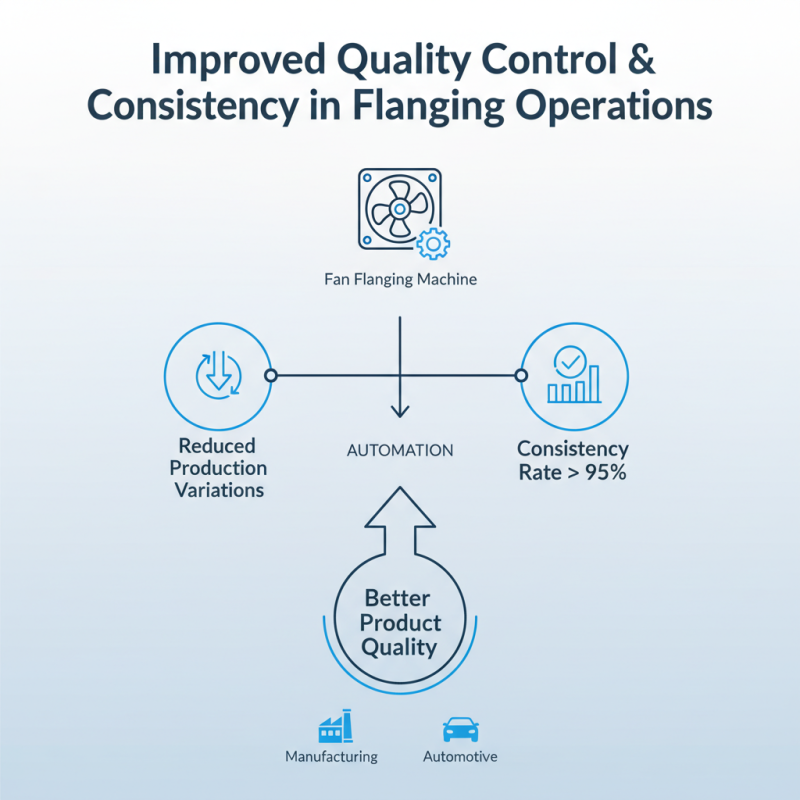
The use of a fan flanging machine significantly enhances quality control in flanging operations. By automating the flanging process, businesses see reduced variations in production. According to industry reports, companies that implement these machines can achieve a consistency rate exceeding 95%. This improvement leads to better overall product quality, which is crucial in industries like manufacturing and automotive.
Precision in flanging reduces the risk of defects, while also streamlining operations. A study showed that manual flanging can result in a 30% defect rate, whereas machines can reduce this to below 5%. This is vital for maintaining competitive advantage. Achieving high consistency in dimensions is essential for fitting components accurately in assemblies.
Tip: Regularly maintain your flanging machine to ensure optimal performance.
Another benefit is the ease of scaling production. With machines, the ability to adjust settings allows businesses to meet varying production demands without sacrificing quality. They can accommodate diverse materials and thicknesses, making the production process flexible. However, businesses must be aware of the learning curve that comes with new technology.
Tip: Invest time in training staff to maximize the machine's capabilities.
In conclusion, understanding the complexities around machine implementation can help businesses enhance their operational efficiency while also maintaining high-quality output.
Versatility of Fan Flanging Machines Across Different Industries
Fan flanging machines enhance versatility in various industries. These machines are essential for fabricating metal components used in HVAC systems, automotive parts, and more. Their design allows for precision flanging of metal sheets, ensuring strong connections and reducing the risk of leaks. In environments where efficiency is critical, fan flanging machines streamline the production process, providing consistent results that boost overall productivity.
Industries such as aviation and construction benefit significantly from this technology. In aviation, precise flanging ensures the structural integrity of aircraft components. Likewise, the construction industry requires custom flanged parts that meet unique specifications. These machines excel in adapting to different materials and thicknesses, making them suitable for diverse applications. However, operators must continually assess their techniques to optimize performance. Even minor adjustments can lead to superior outputs, reflecting the need for ongoing training and skill development.
Reduction of Labor Costs and Increased Safety in Work Environments
Using a fan flanging machine can significantly reduce labor costs while enhancing safety in the workplace. These machines automate the flanging process, minimizing the need for manual labor. This shift not only lowers expenses but also reduces the risk of workplace injuries. Workers no longer spend long hours in awkward positions, which often lead to strain or accidents.
Tips: Consider regular training for staff on safety protocols. Investing in knowledge can prevent injuries from occurring. Keep the workspace organized to enhance safety further.
Moreover, this equipment can improve precision in manufacturing. Manual flanging can result in inconsistencies, leading to rework and wasted materials. Automated machines provide uniformity, ensuring higher quality products. When quality improves, customer satisfaction usually follows, further benefiting the business.
Tips: Regular maintenance of the fan flanging machine is crucial. Routine checks can help avoid costly downtimes. Also, encourage workers to report unusual sounds or malfunctions quickly. This proactive approach can ensure everything runs smoothly.
Top 10 Benefits of Using a Fan Flanging Machine for Your Business
The following chart illustrates the benefits of utilizing a fan flanging machine in business operations, focusing on reductions in labor costs and enhancements in workplace safety.