Leave Your Message

Which Fan Flanging Machine Is Best in 2026?

Choosing the best Fan Flanging Machine in 2026 is not simply a matter of comparing speed or price. The right choice depends on the fan housing, material thickness, flange dimensions, production volume, and required repeatability. A machine that performs well on thin sheet may struggle with thicker stock or larger diameters. Small details matter: edge consistency, clamping stability, tooling changes, and how quickly an operator can set up the next job.

Manufacturing expert Taiichi Ohno wrote, “Without standards, there can be no improvement.” He was not a fan-flanging specialist, but the principle applies: compare machines against clear, repeatable production requirements, not just impressive specifications. That distinction is easy to overlook.

This guide examines practical selection factors, including forming capacity, control systems, changeover time, operator safety, service support, and total ownership cost. It also considers where automation helps—and where it may add complexity without improving the finished flange. Buyers should ask suppliers for test runs using representative material and inspect actual parts for roundness, smooth edges, and consistent flange height. A brochure cannot show every limitation. Nor can one machine suit every factory. The best choice is the one that meets your real production needs reliably, with room for honest trade-offs and a little skepticism.
Which Fan Flanging Machine Is Best in 2026?

What a Fan Flanging Machine Does and Where It Is Used

Which Fan Flanging Machine Is Best in 2026?

What a Fan Flanging Machine Does and Where It Is Used

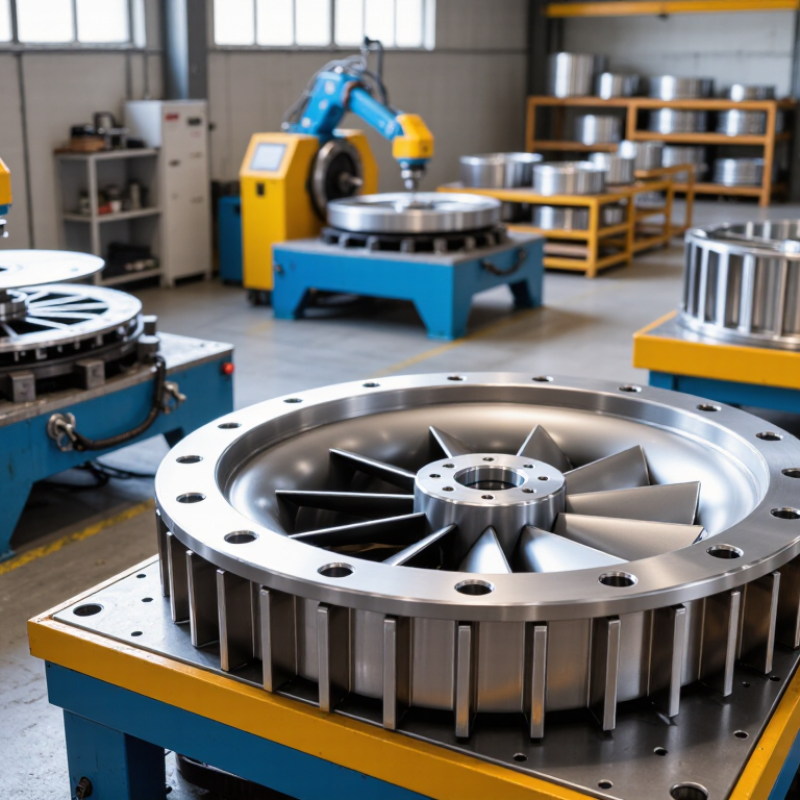
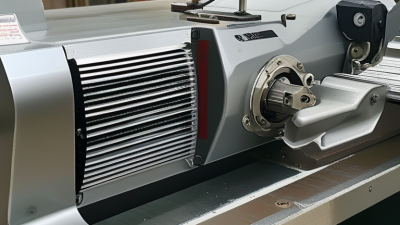
A fan flanging machine shapes the edge of a sheet-metal opening into a raised or turned rim. On a fan housing, that formed edge can add stiffness and create a more consistent connection for ductwork or other components. Depending on the machine design, rollers or dedicated forming tools shape the metal while it is supported and guided.

Small details matter. Operators typically check the sheet thickness, opening diameter, flange height, and material before choosing tooling and settings. A flange that varies around its circumference may complicate assembly or leave an uneven gap. The machine does not correct every upstream issue, either; poorly cut blanks can still produce inconsistent results.

These machines are used in ventilation equipment, commercial air systems, and industrial fan production. A workshop making different housing sizes may value quick changeovers, while a high-volume line may prioritize repeatable cycles and straightforward inspection. A practical check is to measure several points around a completed rim and look for cracks, waviness, or sharp burrs. The setup can be less tidy than a specification sheet suggests, especially when material batches behave differently. Testing representative parts is worth the time.
How Fan Flanging Machines Form and Finish Metal Edges

Which Fan Flanging Machine Is Best in 2026?
How Fan Flanging Machines Form and Finish Metal Edges

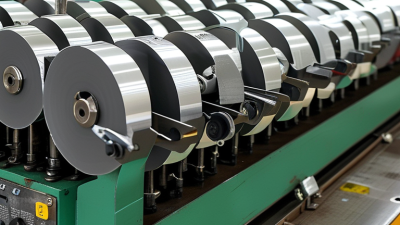
A fan flanging machine turns a flat sheet’s rim into a defined edge using controlled pressure and rotation. The operator positions the blank, then rollers progressively form the metal against a tool or support. On a fan housing, this flange can stiffen the rim and help create a consistent joining surface. Small changes in alignment or feed speed may leave a wavy edge.

The finish matters as much as the shape. Burrs, wrinkles, and uneven flange height can complicate assembly, so inspect sample parts under consistent lighting and measure them at several points. The World Steel Association’s World Steel in Figures 2025 reports approximately 1.88 billion tonnes of crude steel production in 2024. This is useful industry context, but it does not tell us which machine suits a particular fan line. Material thickness, batch size, and required edge profile still guide that choice. A smooth edge is not always a perfect edge.

Tips: Run a trial using the actual sheet grade and thickness. Check the flange height, angle, and surface after forming. Keep notes on roller pressure and feed speed; these settings are easy to overlook when production gets busy.

How Fan Flanging Machines Form and Finish Metal Edges

This illustrative process diagram shows a rotary-flanging workpiece progressing through one 360° revolution as its edge is formed and finished. It is not measured machine-performance data. When comparing machines, check their compatible materials and part sizes, edge quality, repeatability, and setup requirements.

Which Machine Types Are Available in 2026

Fan flanging machines in 2026 generally fall into three practical groups: manual, semi-automatic, and CNC-controlled systems. Manual machines suit repair shops and low-volume work. An operator positions the sheet and guides the forming head around the edge. This offers flexibility, but results can vary between operators. Small differences matter.

Semi-automatic rotary flanging machines handle repeat jobs with less hand guidance. They are often used for circular fan casings, where rollers turn and shape a prepared rim. Hydraulic press machines use matched dies instead, making them useful for consistent flange shapes on suitable parts. Check the die range carefully; one setup may not cover every casing diameter or sheet thickness.

CNC flangers control tool movement through programmed settings, helping shops repeat profiles and manage varied production runs. They can reduce setup guesswork, though programming and operator training still matter. Ask suppliers to run your actual material and sample geometry, then inspect flange height, edge smoothness, and distortion. A polished demonstration piece proves little. I would also compare changeover time and maintenance access, not only rated speed. The “best” type depends on part variety, output, and the tolerances your fan assembly requires. A simpler machine may be the wiser choice.

Which Fan Flanging Machine Is Best in 2026? — Which Machine Types Are Available in 2026
Machine Type How It Forms the Flange Best Suited For Advantages Limitations to Consider Typical Production Fit
Manual or Hand-Operated Flanging Machine An operator positions the sheet-metal part and forms its edge using a hand lever or manually operated tooling. Prototypes, repairs, small workshops, and low-volume work with relatively simple parts. Simple setup, low automation requirements, and practical for occasional production or varied jobs. Output and repeatability depend heavily on operator skill; less suitable for high-volume or tightly controlled production. Low volume
Hydraulic Press Flanging Machine A hydraulic ram applies force through matched tooling to form a flange in a press stroke. Parts requiring substantial forming force, including heavier-gauge sheet metal, subject to machine and tooling capacity. High forming force and compatibility with dedicated dies; can produce consistent results in repeat jobs with appropriate setup. Tooling changes and setup may take time; the process is generally less flexible than a programmable system for frequent part changes. Medium to high volume for repeat parts
CNC or Servo-Controlled Flanging Machine Programmed controls coordinate machine movement and, on suitable models, forming sequence or tool position. Repeat production where controlled settings, changeovers, and consistent part geometry are important. Programmable operation can improve repeatability and reduce manual adjustments between compatible jobs. Higher initial investment and a need for trained setup; achievable accuracy depends on machine design, tooling, material, and process control. Medium to high volume, especially with recurring product variants
Rotary or Roller Flanging Machine Rotating rollers progressively form an edge as the workpiece turns or moves through the forming area. Round or curved components, such as circular fan-related sheet-metal parts, when the geometry suits rotary forming. Progressive forming can be effective for circular edges and may avoid the need for a full press stroke around the part. Best suited to compatible shapes and flange profiles; tooling, part support, and material behavior affect the finished edge. Repeat production of suitable circular or curved parts
Dedicated Automatic Flanging Cell A configured line combines a flanging machine with functions such as part feeding, positioning, handling, or inspection. Stable, high-volume production of established part designs. Can reduce manual handling and support continuous, repeatable production when the process is properly integrated. Requires more floor space, integration, and upfront planning; changes to part design or product mix may require adjustments. High volume with limited or planned product variation
Selection guide: Match the machine to the part geometry, material and thickness, flange profile, required output, changeover frequency, available tooling, and budget. Machine capabilities vary by model, so verify specifications and run representative material trials before purchase.

How to Compare Capacity, Accuracy, Automation, and Cost

Choosing the best fan flanging machine in 2026 starts with the housings you actually produce, not the biggest number on a brochure. Check the diameter range, sheet thickness, flange height, and hourly output under normal shift conditions. A machine rated for 500 units per hour may slow when operators change sizes or feed uneven blanks. Ask for a timed trial using your own material. Numbers need context.

Accuracy affects assembly and airflow. Measure flange height at several points around a finished rim, then repeat after a long run. Small variations can create gaps, vibration, or extra sealing work. Check how the machine handles oval or slightly warped blanks. Automation can reduce repetitive handling, but sensors, stored settings, and quick-change tooling matter more than a flashy screen. Watch an operator switch between two common sizes. How much adjustment is manual?

Compare total cost, not just purchase price. Include tooling, installation, training, maintenance, energy use, and expected downtime over several years. Request spare-part lead times and written service terms. Inspect sample parts and production records, then verify important figures independently. There is a trade-off: a slower machine may deliver steadier quality, while a high-output model can sit idle if demand changes. Even a careful comparison can miss awkward setups or operator fatigue. Production rarely follows the spreadsheet exactly.

How to Choose the Best Fan Flanging Machine for Your Production Needs

Choosing a fan flanging machine starts with the parts you actually make. List the smallest and largest diameters, sheet materials, thicknesses, flange heights, and required tolerances. A machine rated only by maximum diameter may still struggle with thin sheet or short flanges. Fit matters.

Ask suppliers to run a representative sample, not just a convenient demonstration piece. Inspect the flange for cracks, waviness, and uneven edges, then measure repeatability across several parts. Check how long tooling changes take and whether operators can adjust settings without guesswork. Do not guess. In practice, a neat specification sheet can hide awkward changeovers or difficult setup.

Production volume also shapes the choice. Manual or semi-automatic equipment may suit varied, smaller batches, while higher-volume lines may benefit from automated feeding and controls. Compare cycle time under realistic conditions, including loading, unloading, and inspection. Confirm the machine’s footprint, power needs, guarding, and access for routine maintenance before planning installation. Ask about training, spare tooling availability, and service response times. These details affect uptime, yet they are easy to overlook when comparing purchase prices. One caveat: the fastest machine on paper may not be the best match if your product mix changes often. Review actual samples and operator feedback before committing.