How to Choose the Right Flange Flanging Machine for Your Needs?
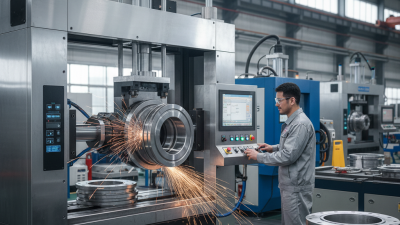
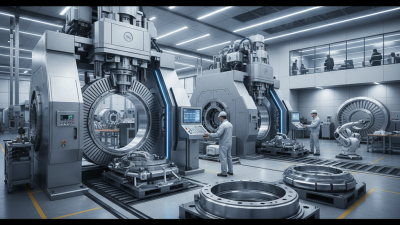
In the manufacturing industry, selecting the right Flange Flanging Machine is crucial for efficiency and precision. According to a recent report by Technavio, the global flanging machine market is projected to grow by 4% annually between 2023 and 2027. This growth reflects increased demand for high-quality flanging processes in various sectors, including construction and aerospace.
Expert David Smith, a leading authority in machine tool technology, emphasizes the significance of tailored solutions. He states, “Choosing the correct Flange Flanging Machine can dramatically influence production quality and operational costs.” This underscores the need for a thoughtful approach to selection.
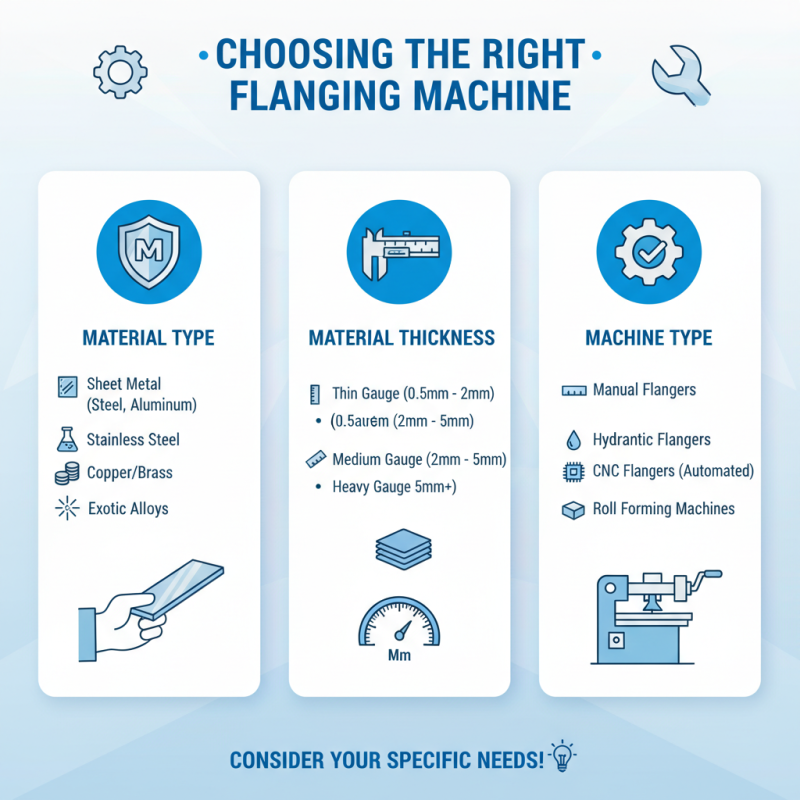
Many companies overlook the unique requirements of their projects. Standard machines might not provide the necessary flexibility or precision. It's essential to evaluate factors such as material type and production volume before making a decision. Adapting to specific needs can lead to better outcomes. Investing time in understanding your requirements can prevent costly mistakes.
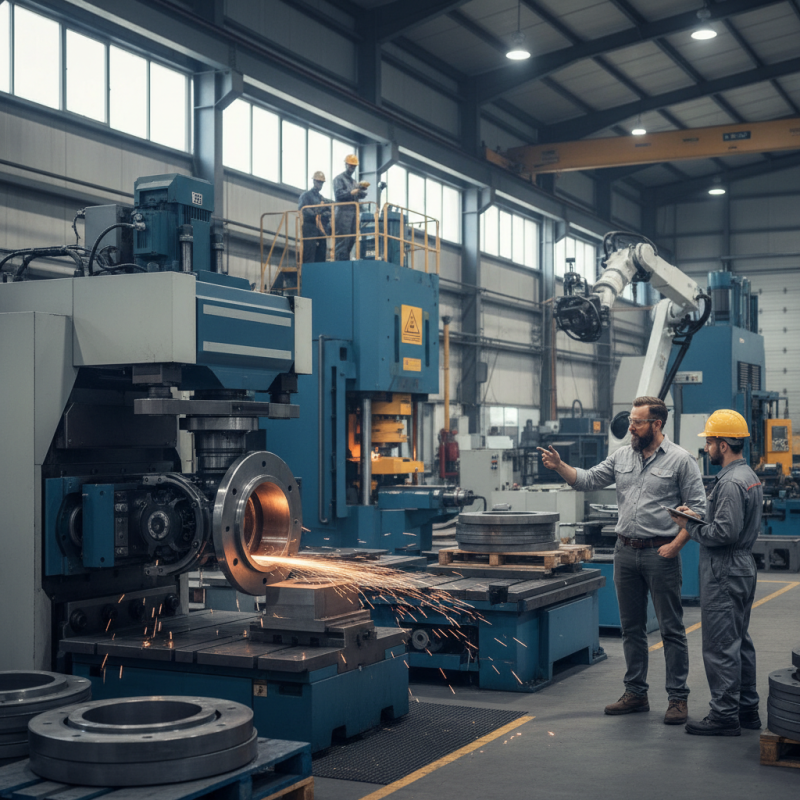
Understanding Flanging Machines: Types and Applications
Flanging machines play a crucial role in metalworking. They are designed to create flanges on various materials. You can find these machines in industries like construction, automotive, or aerospace. Each type serves specific needs.
There are several flanging machine types available. Some are manual, while others are fully automated. Manual machines may require more skill and effort. Automating can save time but needs a higher investment. Consider what your production level requires. Do you have high volume? You might need a robust automatic machine.
Applications also vary widely. Some machines shape thin metals, while others handle thicker materials. This difference affects the choice significantly. Think about your material thickness and shape complexity. Many users overlook this aspect, leading to costly errors. In the end, choosing a flanging machine involves reflection on your specific needs and capabilities.
How to Choose the Right Flange Flanging Machine for Your Needs?
| Machine Type |
Flanging Capacity (mm) |
Power Requirement (kW) |
Weight (kg) |
Applications |
| Hydraulic Flanging Machine |
200 |
15 |
800 |
Pipe Flanging, Industrial Use |
| Manual Flanging Machine |
150 |
2 |
200 |
Small Repairs, DIY Projects |
| Electric Flanging Machine |
250 |
10 |
600 |
Automotive, Construction |
| CNC Flanging Machine |
300 |
20 |
900 |
Precision Parts, Large Scale Production |
Comparing Manual vs. Automated Flanging Machines
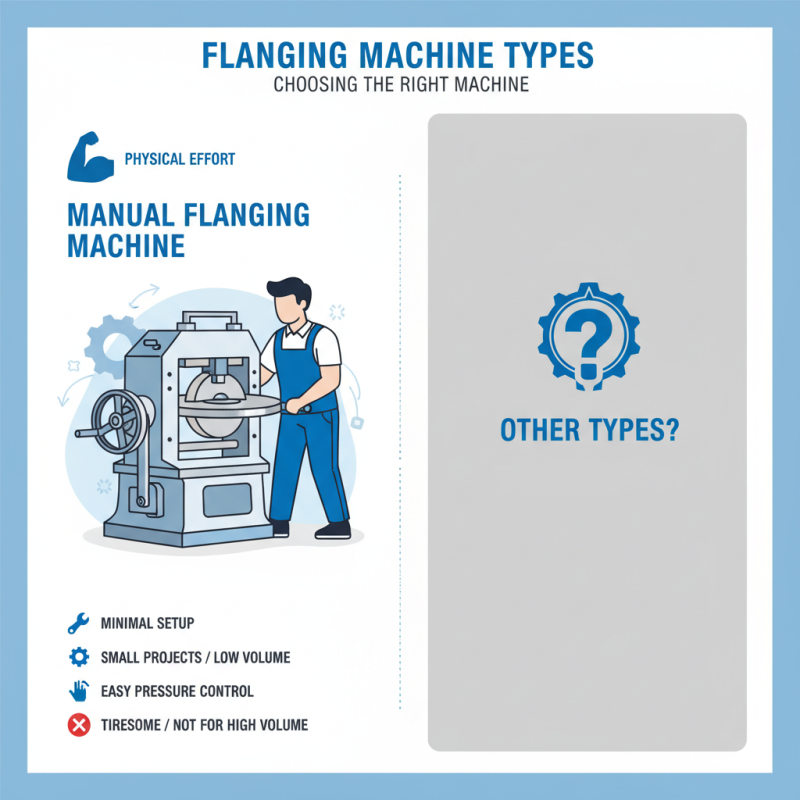
When choosing a flanging machine, consider the method of operation. Manual flanging machines are user-friendly. They require minimal setup, making them ideal for smaller projects. Operators can easily control the pressure applied during the flanging process. However, the physical labor involved can be tiring. Manual machines may not be suitable for high-volume production.
Automated flanging machines offer speed and efficiency. They reduce human error and can operate continuously. This is a crucial factor for larger manufacturing environments. However, they come with a higher initial cost and require regular maintenance. There’s a learning curve involved in programming them. Some operators may find the transition challenging.
Ultimately, the choice depends on your specific needs. If you have a variety of projects, manual machines provide flexibility. For high-volume production, automated machines are more effective. Reflecting on these factors can help align your choice with your operational goals. The decision is not always straightforward. It's essential to weigh the pros and cons carefully.
Assessing the Quality and Specifications of Flanging Machines
When choosing a flanging machine, quality and specifications are key factors. Look closely at the build materials. High-grade steel can enhance durability. However, not all machines boast this feature. Some may cut corners during manufacturing. Understanding the material used can save you future headaches.
Next, consider the machine's specifications. Pay attention to max pressure and bending capacity. These numbers tell you what the machine can handle. Yet, some may exaggerate their capabilities. Look for user reviews to gauge real-world performance. It’s wise to check if the machine meets your project needs. If it falls short, you might face delays.
Additionally, usability matters. A good flanging machine should not only perform well but also be user-friendly. Complex controls can be daunting for new users. Machines with intuitive designs often lead to better outcomes. Nevertheless, the perfect machine may not exist. Keep in mind that proper maintenance is crucial for any flanging machine. Seek equipment that allows easy access for repairs. Balancing these aspects can help you find a fitting choice.
Flanging Machines Comparison: Key Specifications
Budgeting for Your Flanging Machine: Costs and ROI Factors
When budgeting for a flanging machine, consider both initial costs and long-term ROI. Research indicates that flanging machines can range from $5,000 to over $100,000 based on specifications and features. Many companies overlook hidden costs, like maintenance and energy consumption, which can significantly impact your budget over time.
Efficient models can reduce energy costs by as much as 20%. This saving can influence your overall budget positively.
Tips: Always evaluate the machine’s operational efficiency before making a purchase. Low initial costs may lead to higher operational expenses. Consider how the machine’s features align with your production demands. Sometimes, a model with advanced technology can drastically cut down on labor costs and errors.
Additionally, analyzing your specific production needs can help in decision-making. A machine designed for high volume doesn’t always equate to efficiency. If your production fluctuates, a model with temporary flexibility may be more beneficial. Balancing costs with expected output is crucial.
Evaluate how quickly you might recoup your investment. Remember to factor in market conditions, as they can affect demand for your products and, consequently, ROI.