How to Choose the Best Head Flanging Machine for Your Needs?
Choosing the best Head Flanging Machine can be challenging. With various models available, it's essential to know your needs. The right machine ensures that production runs smoothly and efficiently.
When selecting a Head Flanging Machine, consider its features and specifications. Do you need it for small or large tasks? Is speed a key factor? Evaluating these points can help you make an informed choice. Look at the machine's material quality. Durable components lead to increased reliability over time.
In addition, think about the manufacturer’s reputation. A trusted brand often provides better support and warranty options. User reviews can also shed light on real-world performance. Striking the perfect balance between cost and capabilities is crucial. Reflect on what works best for your specific operation without compromising quality.
Factors to Consider When Selecting a Head Flanging Machine
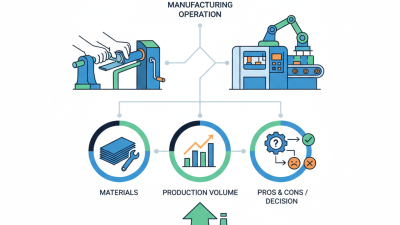
Choosing the right head flanging machine requires careful consideration of several factors. First, assess the material types you will use. Different machines accommodate various metals, like aluminum or steel. According to industry reports, machines designed for high tensile strength materials often yield better results. Ensure the machine’s specifications meet your project needs.
Moreover, consider the machine's flanging capabilities. Some models offer adjustable flange widths and angles, which enhance versatility. The American Society of Mechanical Engineers indicates that machines with customizable settings can improve efficiency by up to 20%. It's crucial to evaluate production volume too. Higher production demands often require more robust machines.
Energy efficiency is another pivotal aspect. Many newer models are designed to consume less power. They can decrease operational costs significantly. However, it’s vital to weigh upfront costs against long-term savings. Don’t overlook the importance of after-sales support. Reliable maintenance services can heavily influence machine longevity and effectiveness.
Types of Head Flanging Machines Available in the Market
When selecting a head flanging machine, understanding the available types is crucial. Common options include hydraulic, pneumatic, and electric flanging machines. Hydraulic models are noted for their high force and precision, making them ideal for heavy-duty tasks. They can achieve up to 150 tons of pressure, emphasizing their role in industrial applications.
Pneumatic machines offer speed and efficiency. They are lighter and easier to operate than hydraulic options. Data shows that pneumatic machines can enhance production speed by 30%. However, they may lack the strength needed for thicker materials. Electric options provide versatility and are often user-friendly. They are suitable for moderate workloads and vary in features, including programmable settings.
Consider the specific requirements for your projects. Bigger machines may not always be better. Overestimating needs can lead to underutilization and unnecessary costs. Assessing material types and thickness is vital. It helps ensure the chosen machine aligns with operational objectives. Remember, getting the right machine can optimize performance and increase productivity in the long run.
Key Features to Look for in a Head Flanging Machine
When selecting a head flanging machine, focus on its essential features. Start by considering the machine’s capacity. Look for a device that can handle the thickness and type of metal you frequently work with. Some machines have varying flange widths, providing versatility for different projects.
Speed and efficiency are crucial factors. Certain machines offer adjustable speeds for different materials. This feature allows for better control and quality in the final product. Additionally, check if the machine has a quick setup process. A simpler setup saves time and boosts productivity.
Tips: Always assess the build quality. A robust construction ensures longevity and reliability. Don’t overlook the importance of safety features. Emergency stops and proper guards are vital to prevent accidents. Maintain an eye on the machine's brand reputation and user reviews. Sometimes, a lower-cost option may have hidden issues, leading to frustration in the long run.
Evaluating the Efficiency and Performance of Flanging Machines
When evaluating the efficiency and performance of flanging machines, several factors come into play. The design and engineering of the machine significantly affect its output. A well-engineered machine ensures consistent flanging, which is crucial for production quality. Efficiency can be measured by the speed of operation and the precision of flanges produced. Mistakes in flanging can lead to material wastage or costly rework. Therefore, a machine with built-in error-reduction features can be more valuable.
Additionally, consider the machine's adaptability to different materials. Not all flanging machines perform equally well on various metals or thicknesses. A versatile machine may save time and money in the long run. Pay attention to the user interface as well. An intuitive design can enhance productivity. Operators must feel confident while using the equipment. Feedback from experienced users can reflect on a machine's practical performance, offering insights not found in specifications alone.
Finally, regular maintenance plays a critical role in sustaining performance. Many machines may look robust but suffer from wear over time. A machine that requires frequent repairs could become more of a burden than an asset. Thus, understanding the long-term reliability and service needs is essential for making an informed choice. Assessing these factors will lead to a decision that best meets your operational requirements.
Efficiency Comparison of Head Flanging Machines
Budget Considerations for Purchasing Head Flanging Equipment
When considering the purchase of head flanging equipment, budget is a crucial factor. It’s easy to focus on features and specifications, but financial constraints often dictate your choices. Equipment prices can vary significantly based on quality, brand reputation, and technology used. Setting a clear budget can help narrow down options quickly.
Assessing long-term costs is essential. While some machines may have a lower upfront price, higher maintenance and operating costs can erode savings. Consider the frequency of use and necessary training. If the machine requires specialized skills, factor in additional expenses for employee training. Sometimes, opting for a more expensive model can result in better reliability.
Investing wisely means seeking a balance between price and quality. Look for durable materials and warranties. A less expensive option might seem appealing, but if it fails frequently, it can lead to losses. Moreover, reviewing customer feedback can reveal potential pitfalls. It’s challenging to identify the best machine, especially when many options exist. Not every choice will be perfect, so staying adaptable and researching thoroughly is vital.