How to Choose Spinning Steel for Global Sourcing?
Choosing Spinning Steel for global sourcing requires more than comparing prices per tonne. The term can describe different steel products, so buyers should define the application clearly. Is the steel used for wire, textile equipment, springs, or rotating components? Each use demands different mechanical properties, surface conditions, and dimensional tolerances. A precise specification prevents costly misunderstandings between mills, traders, and manufacturers.
A reliable evaluation should examine grade, carbon content, tensile strength, hardness, wire diameter, surface finish, and corrosion protection. Ask for current mill certificates, batch traceability, and independent test reports. Supplier audits can reveal practical details that brochures often omit. Check coil weight, packaging quality, rust prevention, production capacity, and realistic lead times. A sample may look excellent under warehouse lighting but perform poorly after forming or repeated rotation. Testing must match the final process.
Global sourcing also requires careful attention to documentation and contract clarity. Confirm inspection procedures, accepted standards, delivery terms, and responsibilities for nonconforming material. Regional standards may differ, even when product names appear identical. Do not rely only on a low quotation. It may exclude testing, protective packaging, or inland transport. A spreadsheet can still mislead. My own preference is to compare total landed cost and production risk together, although this approach takes longer. No supplier is flawless. The stronger choice is usually the one that explains weaknesses openly, responds with evidence, and maintains consistent quality across multiple batches. That evidence builds confidence in Spinning Steel sourcing.
Define Spinning Steel and Its Main Industrial Applications
How to Choose Spinning Steel for Global Sourcing?
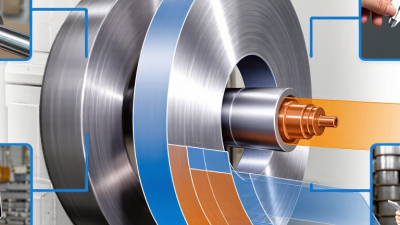
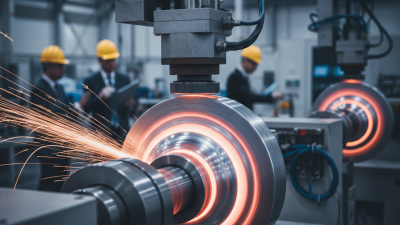
Spinning steel usually describes a forming process, not a specific steel grade. A circular blank rotates against a mandrel while a roller shapes it gradually. The process can create seamless, axisymmetric parts with limited waste. Common materials include low-carbon steel, stainless steel, and heat-resistant alloys.
Its applications are broad. Manufacturers use spun steel for pressure vessels, gas cylinders, cookware, lighting reflectors, automotive housings, ducts, and aerospace components. The correct grade depends on ductility, yield strength, corrosion exposure, and forming temperature. According to the World Steel Association’s World Steel in Figures 2025, global crude steel production reached about 1.883 billion tonnes in 2024. This scale supports wide material availability, but availability does not guarantee suitable spinning performance. Some grades crack at the rim. Others wrinkle during forming. The term can mislead buyers.
Tips: Ask suppliers for grade certificates, thickness tolerances, elongation values, and forming samples. Check whether the part requires conventional or shear spinning. Review the final geometry, not only the raw material price. A cheaper sheet may create more trimming, rejection, and tooling adjustments. I have seen sourcing plans overlook lubrication and mandrel design. That mistake can distort results. Industry testing guidance, including ASTM material standards, should support inspection and acceptance criteria. Still, standards alone may not reflect every supplier’s actual process capability.
Identify Material Grades, Dimensions, and Performance Requirements
For global sourcing, choose spinning steel by forming behavior, not price alone.
World Steel Association’s 2024 report records about 1.89 billion tonnes of crude steel production in 2023. That scale creates many mills, but quality still varies between heats and regions. Request the exact grade, standard, heat number, and mill test certificate.
Low-carbon grades such as DC04 or AISI 1008 suit deep forming. Stainless 1.4301 may fit corrosive environments, but it requires higher forming force.
Dimensions need equal attention. Specify sheet thickness, blank diameter, width, flatness, edge condition, and tolerance. For a 1.2-millimeter blank, even a small thickness variation can change wall thinning during spinning. Include rolling direction and surface requirements. Ask for roughness limits when the finished part remains visible. Standards such as EN 10130 and EN 10088 help align chemical and mechanical requirements across suppliers. Do not rely on “commercial quality.” It is too vague.
Performance testing should reflect the real part.
Define yield strength, tensile strength, elongation, hardness, corrosion resistance, and allowable thinning. The American Society for Testing and Materials provides test methods for tensile and hardness verification. A pilot run with measured force, springback, and final diameter is more reliable than a brochure. I have seen drawings omit the inner radius, then blame the material. That mistake is avoidable. Still, specifications are never perfect; review them after the first production batch.
Compare Manufacturing Methods, Quality Standards, and Certifications
How to Choose Spinning Steel for Global Sourcing?
Choosing spinning steel for global sourcing requires more than comparing prices. The manufacturing method affects accuracy, strength, tooling cost, and production speed.
Conventional metal spinning suits prototypes and small batches. It allows skilled operators to adjust pressure during forming.
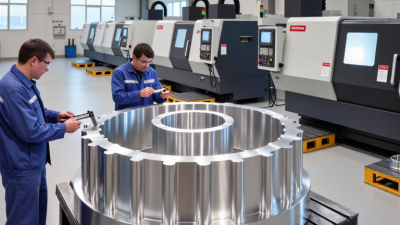
CNC spinning offers repeatable dimensions and better control for larger orders.
Flow forming can produce thinner walls and improved mechanical strength, but it demands specialized equipment and careful process control.
Ask suppliers for material certificates, heat numbers, and a clear traceability system. Common steel grades should match recognized ASTM, EN, or equivalent specifications. Do not accept a grade name without chemical and mechanical test results.
Check hardness, tensile strength, wall thickness, surface finish, and ovality. A practical inspection may include calipers, coordinate measurement, and visual checks under controlled lighting. For critical parts, ultrasonic or dye penetrant testing may be appropriate.
ISO 9001 certification can indicate a structured quality system, but it does not guarantee perfect parts. Verify the certificate’s scope, issuing body, and validity. Factory audits, first-article inspections, and sample approval provide stronger evidence.
I have seen suppliers pass paperwork checks while missing a small edge radius. That detail later affected assembly.
Quality discussions should include drawings, tolerances, packaging, and corrective-action records. No method is perfect. A realistic sourcing plan leaves room for testing, feedback, and process improvement.
Evaluate Global Suppliers, Pricing, Lead Times, and Logistics
When sourcing spinning steel globally, supplier evaluation should begin with process capability, not the lowest quote.
Ask for material certificates, dimensional reports, surface-finish records, and production samples. Check whether the supplier controls wall thickness, concentricity, and deformation during spinning. A factory may provide attractive samples but struggle with stable output. That gap matters.
Compare prices on the same basis.
Confirm steel grade, thickness, tolerances, tooling charges, packaging, inspection, and delivery terms. Request a cost breakdown instead of accepting one total figure. Metal prices can change before production begins. A written adjustment method reduces surprises. Still, it may not remove every risk. Currency movement and port fees can remain uncertain.
Lead time should include engineering approval, tooling, production, inspection, and shipping.
A promised 30-day production period may become 50 days after revisions. Ask for a realistic production calendar with milestone dates. Review monthly capacity and holiday shutdowns. For logistics, confirm container loading plans, moisture protection, pallet strength, and export documents. Choose a route with reliable port connections, even when it costs slightly more. Shorter routes are not always faster. Track shipment status and inspect critical batches before dispatch. An independent inspection can reveal problems that photographs miss. Mistakes happen, especially when specifications remain vague. Recheck them.
Verify Samples, Production Controls, Contracts, and Import Compliance
How to Choose Spinning Steel for Global Sourcing?
Verify Samples, Production Controls, Contracts, and Import Compliance
A reliable sourcing decision starts with a physical sample, not a polished quotation. Check wall thickness at several points, edge smoothness, diameter, weight, and surface finish. Ask for the steel grade certificate and compare it with independent testing when the application is demanding. I once accepted a visually excellent sample without checking the inner curve. Production later showed uneven thinning. That mistake was expensive.
Production controls should be visible and repeatable. Request the process flow, inspection checkpoints, equipment calibration records, and batch traceability method. Confirm how workers control springback, cracking, polishing marks, and dimensional variation. A pilot run of 50 to 100 pieces can reveal problems hidden in one sample. Keep approved samples sealed and signed. Small details matter. I would also inspect packaging, because dents can appear after a perfect factory inspection.
The contract should define material grade, tolerances, finish, quantities, inspection rights, defect limits, delivery terms, and corrective actions. Avoid vague phrases such as “premium quality.” Import compliance needs equal attention. Confirm the correct tariff classification, country-of-origin documents, commercial invoice details, packing list, certificates, labeling rules, and destination-market standards. A qualified customs professional can verify local requirements before shipment. Requirements change, and my own assumptions have sometimes been outdated. Build document checks into the purchase schedule, not the final shipping day.
How to Choose Spinning Steel for Global Sourcing?
Recommended evidence records to verify before approving a spinning steel supplier: samples, production controls, contracts, and import compliance.
Each bar represents the number of practical records included in a basic sourcing review checklist. Confirm material samples and test results, monitor production controls, define commercial terms in writing, and prepare the documents required for customs clearance.