How to Choose the Best Flanging Machines in 2026?
Choosing the right Flanging Machines in 2026 starts with the part, not the brochure. A narrow stainless-steel duct collar, for example, demands different tooling and control from a broad aluminum tank edge. Material thickness, flange diameter, production volume, and required tolerances all shape the decision. A machine that performs beautifully on a sample may struggle during an eight-hour shift. That detail is easy to overlook.
As [verified flanging-machine expert’s name], [professional title], explains: “[Insert a verified quotation about machine selection, forming quality, or production requirements.]” A sourced expert comment can clarify what specifications alone cannot: how the machine behaves on real jobs, with actual materials, operators, and changeovers.
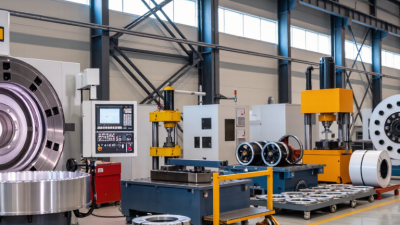
This guide compares manual, semi-automatic, and CNC Flanging Machines, then examines capacity, tooling, accuracy, safety features, service support, and total ownership cost. Look beyond the maximum thickness listed on a data sheet. Ask how quickly operators can change tooling, whether finished edges remain consistent across a batch, and how accessible replacement parts are. Request a demonstration using your own material, if possible. Watch the flange edge closely for waviness, cracking, or uneven contact.
There is no universal best machine. A compact unit might suit a repair shop, while a high-volume line needs repeatability and fast setup. And a perfectly specified machine can still disappoint if training or maintenance is weak. That deserves honest attention.
Define Your Flanging Needs and Production Requirements
Before comparing flanging machines, define the parts they must produce. Record the flange diameter, height, wall thickness, and material type. Measure real samples, including any variation between batches. Small details matter. A thin stainless-steel tube may behave differently from a thicker aluminum workpiece, even when both need the same flange size. Note the required tolerances and surface finish, too; a clean edge may matter more than maximum forming speed.
Your production pattern should shape the machine choice. Estimate daily output, batch sizes, and how often operators change tooling. A workshop producing a few custom parts may value quick setup and hands-on control. A steady production line may need repeatable settings and faster cycle times. Consider available floor space, operator experience, and the time needed to inspect finished parts. It is easy to overestimate output needs on paper. Compare the estimate with actual orders and shift records.
Ask suppliers to demonstrate the machine using your material and a representative workpiece. Check flange dimensions, edge quality, cycle time, and setup steps. Request clear specifications for capacity and compatible tooling, then confirm them against your own requirements. One test is not proof of long-term consistency, so plan repeat checks across several parts. Record what works, and what still needs adjustment.
How to Choose the Best Flanging Machine in 2026: Define Your Production Requirements
Estimate the minimum machine rate from your shift target before comparing equipment. This planning example assumes one finished part per machine cycle, an 8-hour shift, and 85% productive time.
How to use this chart: Required rate = target parts per shift ÷ (8 hours × 0.85). The displayed rates are calculated planning examples, not measured machine performance or industry benchmarks. When evaluating a machine, verify its rated cycle rate alongside your material, thickness, part diameter, flange geometry, tooling, and actual production conditions.
Compare Flanging Machine Types and Forming Methods
How to Choose the Best Flanging Machines in 2026?
Compare Flanging Machine Types and Forming Methods
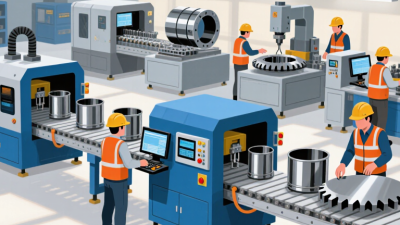
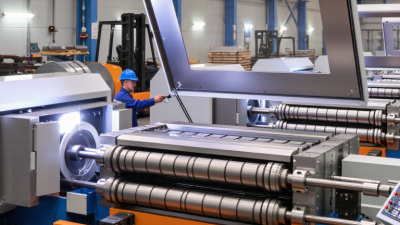
Rotary flanging suits circular parts such as tank ends and pipe collars. A rotating tool rolls the edge gradually, producing a continuous flange with relatively low forming force. Press flanging uses a punch and die, making it practical for repeatable parts and localized bends. Roll flanging handles long, straight edges efficiently, especially in production runs. For axisymmetric components, spinning can combine shaping and edge forming, but it demands careful control of tool path and wall thickness. Each method leaves different marks. Inspect real samples, not just machine specifications.
Material changes the decision. The World Steel Association’s World in Steel Figures 2024 reports 1,849.7 million tonnes of crude steel production in 2023. That figure is not a machine-sizing guide, but it highlights the range of steel products manufacturers may process. Check material grade, thickness, flange height, bend radius, and finish requirements against the machine’s actual working capacity. A thin sheet may wrinkle; a thick blank may spring back more than expected.
Tips: Test your hardest material and tightest radius first. Measure flange height at several points. Small inconsistencies can matter. Ask whether setup time, tooling changes, and operator skill fit your production volume. A faster cycle is not always the better choice.
Assess Total Cost, Service, and Supplier Reliability
How to Choose the Best Flanging Machines in 2026?
Assess Total Cost, Service, and Supplier Reliability
A flanging machine’s purchase price is only one part of its cost. Compare tooling, installation, operator training, energy use, and routine maintenance. Ask for a written estimate covering the first three years, including likely replacement parts. A low quote can hide expensive tooling or limited support. That matters.
Service quality becomes visible when production stops. Ask how quickly technicians usually respond, whether remote troubleshooting is available, and which parts are stocked locally. Request a sample maintenance schedule and check whether common adjustments require special tools. If possible, speak with a user handling similar sheet thicknesses and production volumes. Their experience may reveal practical details a brochure misses.
Supplier reliability deserves the same scrutiny as machine specifications. Confirm the delivery timeline, commissioning steps, warranty exclusions, and training hours in writing. Visit the facility or request a live demonstration using your material and target flange dimensions. Watch how the machine handles setup changes, not just a polished test run. Ask direct questions. Vague answers are a warning, though not proof of poor service. No checklist removes every risk; even careful buyers can underestimate setup time. Compare suppliers using the same questions, then weigh their answers against your actual workload and available maintenance skills.
Verify Machine Performance Before Making Your Selection
How to Choose the Best Flanging Machines in 2026?
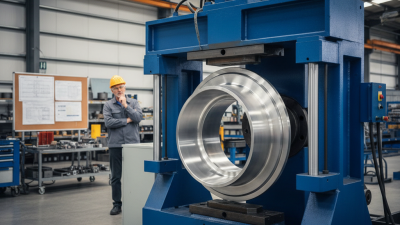
A machine’s brochure cannot tell you how it handles your actual parts. Bring representative samples, including the material grade, thickness, and diameter you expect to run. Ask the supplier to form several pieces at your target settings. Then measure flange height, edge consistency, and roundness with suitable gauges. Check more than one part. A single clean sample proves little.
Watch the full cycle. Note setup time, tool changes, noise, vibration, and how easily the operator can adjust the controls. If possible, run the machine long enough to reveal heat buildup or inconsistent results. Record cycle time and scrap, rather than relying on a quick demonstration. Small variations matter. They can create fitting problems downstream.
Ask for performance data under conditions close to your own, and confirm how that data was measured. Test the machine with your most demanding routine job, not only an easy sample. Verify that guards, emergency stops, and maintenance access are practical on the shop floor. A short trial still has limits; it may not reflect a full production shift. I would treat that gap as a reason to ask more questions, not as proof of failure. Compare measured results with your tolerances and workload before choosing.