How to Choose the Best Hot Spinning Machine for Your Needs?
Choosing the right Hot Spinning Machine can be challenging. With various options available, it's crucial to know what suits your specific needs. Understanding the key features and capabilities can make a significant difference.
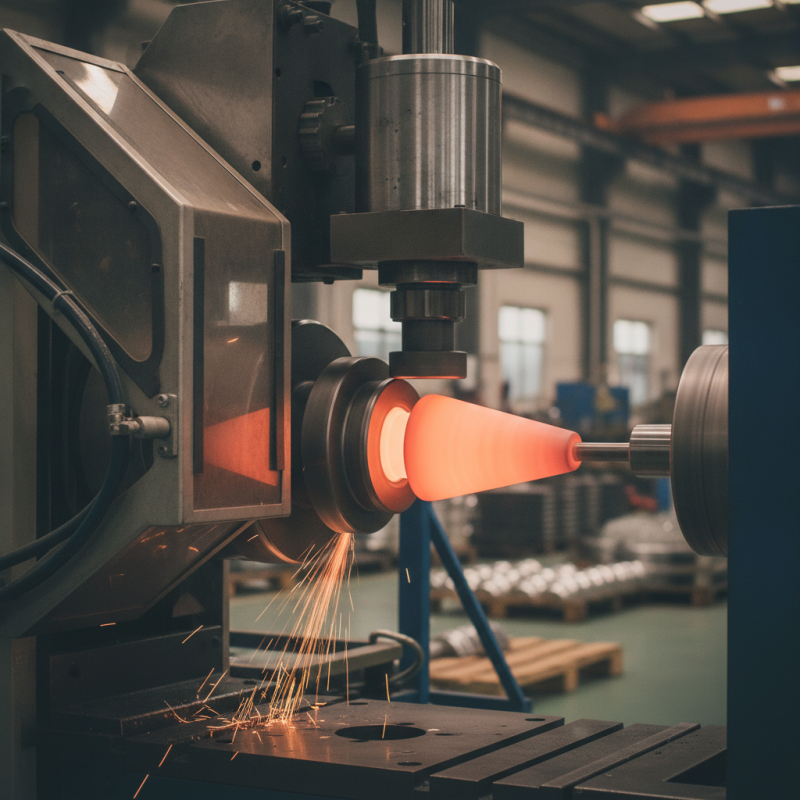
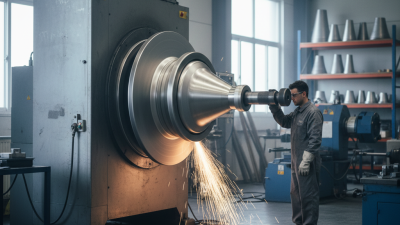
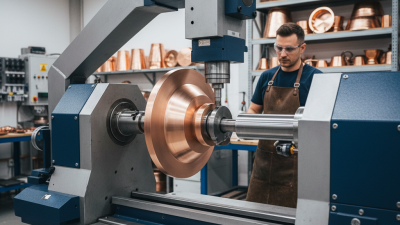
A Hot Spinning Machine is essential for shaping metals into desired forms. These machines are widely used in industries like aerospace and automotive. Selecting the right model requires consideration of several factors. Factors include machine size, power requirements, and ease of operation.
Before making a decision, think about your production goals. Are you focusing on small batches or larger volumes? Reflecting on your needs will guide you to the most suitable Hot Spinning Machine. Ultimately, finding the best fit enhances efficiency and product quality.
Understanding Hot Spinning Machines: Types and Applications
Hot spinning machines are crucial in various manufacturing sectors. These machines transform materials like metals and plastics into intricate shapes. The two primary types of hot spinning machines are vertical and horizontal. Vertical machines are often preferred for smaller items or lower volumes, whereas horizontal machines cater to larger, more complex components. Understanding their applications helps businesses make informed decisions.
The applications of hot spinning are vast. Aerospace industries benefit significantly from these machines. Reports indicate that about 30% of a jet engine's components are produced using hot spinning techniques. This method allows for better material properties, leading to lightweight and strong parts. Automotive manufacturers also utilize hot spinning to create components that require durability and precision.
However, selecting the right machine isn't straightforward. Factors such as material compatibility and production volume are critical. Some operators struggle with the learning curve associated with new technologies. Technical support and training are essential to maximize efficiency. Inaccuracies during the setup process can lead to costly errors. Hence, evaluating expertise and the machine’s adaptability is vital.
Key Features to Consider When Choosing a Hot Spinning Machine
When selecting a hot spinning machine, several key features deserve careful consideration. First, material compatibility is crucial. Make sure the machine can handle the specific metals or alloys you intend to work with. Research materials that tend to warp or stress, as they may require specialized equipment. This ensures you avoid costly errors during production.
Another vital aspect is the machine's temperature control system. Precise temperature regulation influences the quality of the spun products. Machines that provide real-time monitoring offer an advantage. However, not all models excel in maintaining consistent heat across various applications. Understand how variations in temperature can lead to defects.
Additionally, consider the machine's ease of use. User-friendly controls and interfaces enhance productivity. Yet, if the machine is overly complex, this can slow down the learning process for new operators. Reflect on the balance between advanced features and practicality. Investing time in training can be just as important as the machine itself. Evaluate potential challenges to find a suitable solution.
Assessing Your Production Needs and Volume Requirements
When evaluating your production needs for a hot spinning machine, understanding your volume requirements is essential. Industry reports indicate that the global hot spinning market is expected to grow at a CAGR of 5% from 2021 to 2026. This underscores a rising demand for efficient and reliable machines. You must assess how much product you need to create within a specific timeframe. This assessment will play a key role in selecting the right machine.
Consider your production goals seriously. Identify peak production times and average run lengths. According to a recent study, facilities using the right machine can increase output by 30%. Ensure that your chosen hot spinning machine can meet these rates comfortably. An undersized machine can lead to delays and increased costs. Deliberate over these metrics to minimize regrets later.
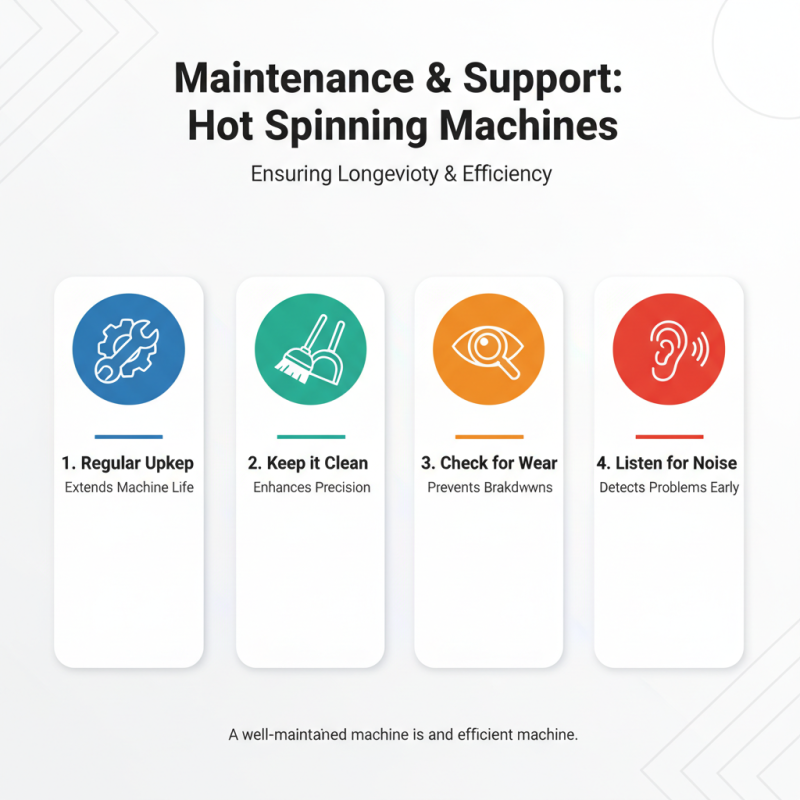
Tips: Invest in a machine that offers scalability. This way, you can adjust capacity according to future needs. Regular maintenance checks can also help prolong machine life and optimize performance. A proactive approach to your production capabilities can save you from pitfalls down the road. Always evaluate different models based on real feedback to gauge their effectiveness in similar operations.
Budget Considerations: Cost vs. Quality in Hot Spinning Machines
When selecting a hot spinning machine, budget plays a crucial role. It's essential to balance cost and quality. A lower-priced machine might save money upfront, but could lead to higher maintenance costs later. On the other hand, investing in a reliable machine can enhance production efficiency and reduce long-term expenses.
Tips: Always evaluate your specific production needs. Consider the materials you'll be working with and the expected lifespan of the machine. Consulting experts or those with experience can provide valuable insights.
Quality often correlates with price, but not always. Some machines offer advanced features without breaking the bank. It's important to research and compare different options. Look for customer reviews and case studies. These can reveal potential pitfalls you might overlook.
Tip: Pay attention to warranty and service options. A good warranty can protect your investment. While it might seem more expensive initially, reliable service can save you money and stress. Be cautious of deals that seem too good to be true; they often are.