How to Choose the Best Spinning Metal Process for Your Needs?
Choosing the right Spinning Metal Process can significantly affect your project's success. This process involves shaping metal into desired forms through rotational techniques. Many factors should guide your choice, including the type of material, intended design, and production volume. Each parameter influences the final outcome.
Metal spinning, while efficient, is not without challenges. Mistakes in material selection can lead to wasted resources and time. For instance, using a soft metal for a durable part might compromise its strength. Understanding the properties of different metals will enhance your decision-making.
Your specific requirements also play a vital role. Whether you need precision or a unique shape, every choice shapes the finished product. Seeking guidance from experts can mitigate uncertainties. They can provide insights based on experiences. By contemplating these aspects, you can navigate the complexities of the Spinning Metal Process successfully.
Understanding Spinning Metal Processes and Their Applications
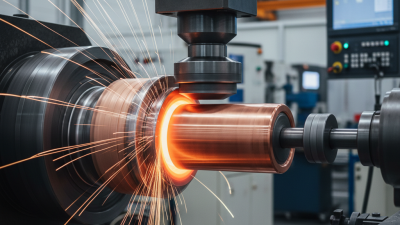
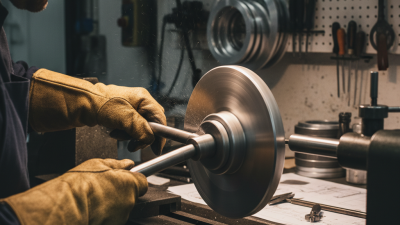
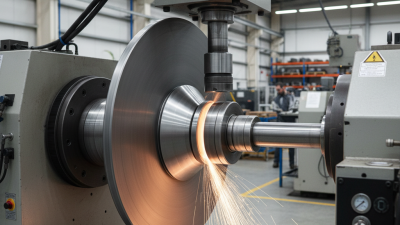
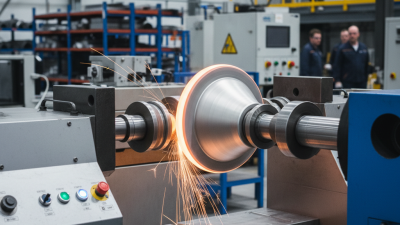
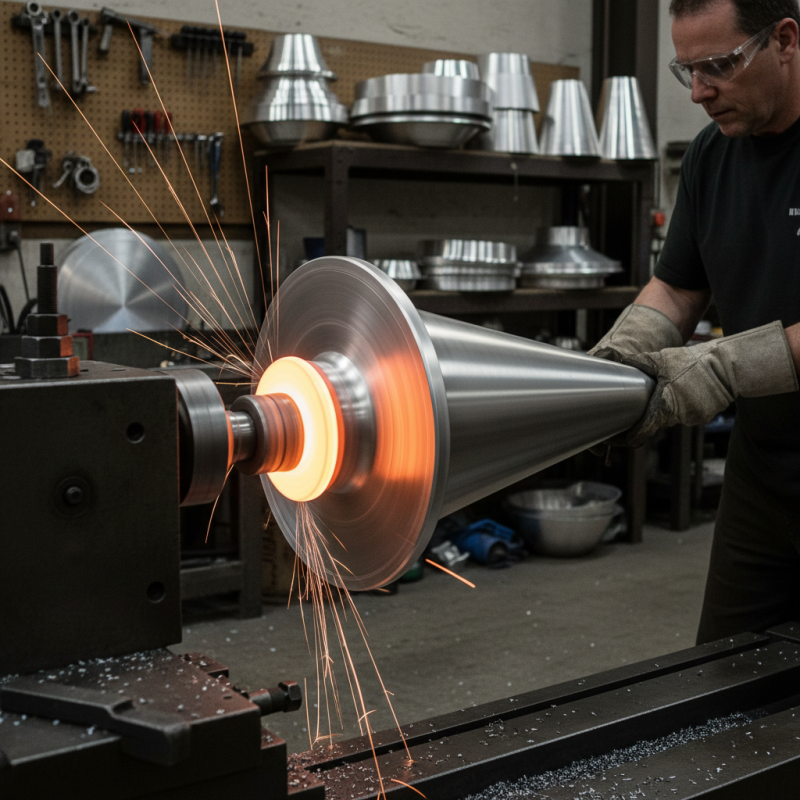
Spinning metal processes offer a unique way to shape materials into functional and aesthetic components. These techniques are diverse, each type serving specific applications. For instance, traditional spinning involves a metal disc being shaped into a hollow form while being rotated. This method is widely used for creating parts like cookware and automotive components.
Understanding the nuances of spinning processes is crucial. Forming metals through spinning depends on the material’s ductility and thickness. Some metals like aluminum spin better than others. Users should consider these factors when deciding on a spinning method. The balance between quality and efficiency is often challenging. One process may yield better results, but it could be more time-consuming or costly.
In practice, experimentation plays a significant role. Each project may require different adjustments, leading to reflections on best practices. Customizing parameters can improve the outcome, yet this demands both patience and skill. Keep in mind that perfection is a journey, with each spin teaching valuable lessons.
Comparison of Spinning Metal Processes
Key Factors to Consider When Choosing a Spinning Metal Process
When selecting a spinning metal process, various factors come into play. The material type is crucial. Different metals react uniquely during spinning. For example, aluminum is lightweight and easy to form. In contrast, titanium requires more complex techniques due to its toughness. Knowing your material helps in determining the right process.
Another essential factor is part geometry. The complexity of the design influences the spinning method needed. For intricate shapes, precision is vital. A simple design might require less expertise and time, while detailed patterns necessitate highly skilled operators. Evaluating your design helps you decide on the best approach.
Cost considerations should also be carefully weighed. Budget constraints affect material choice and production volume. High-quality processes might come at a steep price but can lead to better long-term results. Finding a balance between cost and quality often involves thoughtful reflection on the project requirements.
Comparing Different Types of Spinning Techniques: Pros and Cons
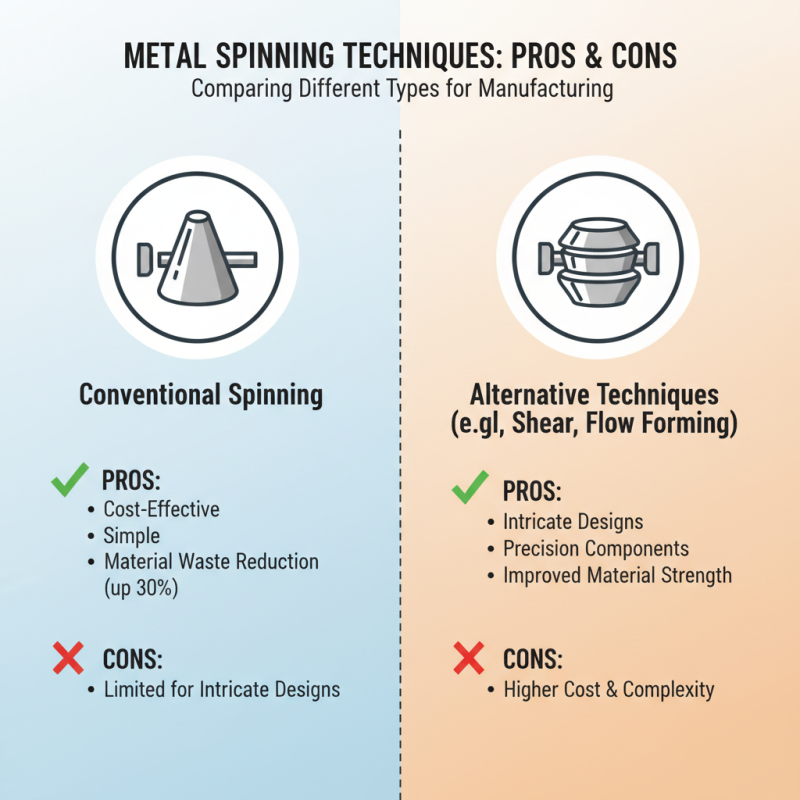
When considering spinning techniques, it’s essential to understand the pros and cons of each option. Metal spinning techniques can significantly influence the final product. For instance, conventional spinning is often praised for its cost-effectiveness and simplicity. Reports indicate that this method can reduce material waste by up to 30%. However, it may not deliver the intricate designs some projects require.
In contrast, hydroforming allows for complex shapes with uniform wall thickness. This technique enhances the structural integrity of the product. According to a study from the Manufacturing Institute, hydroforming often results in up to a 20% weight reduction in parts. Despite its benefits, hydroforming is more expensive and may require specialized equipment.
Electroforming is another advanced method, ideal for precision and detail. This technique can create components that weigh less than traditional methods. However, the process is slower and can be less intuitive for new operators. Additionally, training and setup costs can be significant. The choice of spinning technique ultimately depends on project requirements, budget, and desired outcomes.
Evaluating Material Compatibility for Optimal Spinning Results
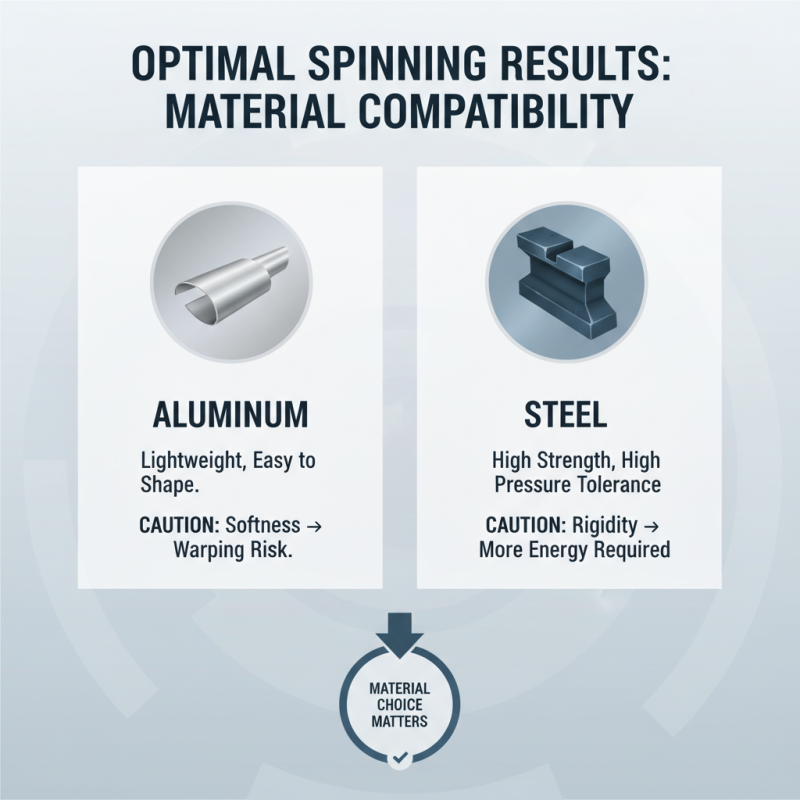
Choosing the right metal for spinning processes greatly affects the final product. Material compatibility is crucial. Different metals react differently under pressure and heat. Aluminum is lightweight and easy to shape, making it a popular choice. But, its softness may lead to warping during spinning. Steel, known for its strength, can handle higher pressures. However, its rigidity may require more energy to manipulate. Understanding these nuances can help in making informed decisions.
Evaluate the specific requirements of your project. Consider factors such as weight, strength, and application. Each metal offers unique advantages. Copper, for example, is highly malleable, but it may not be suitable for heavy-duty applications. A thorough assessment of the material's properties is essential for success. Testing small samples can reveal unforeseen issues, like cracking or inconsistent thickness.
Sometimes, even experienced professionals can overlook minor details. Perhaps a metal’s surface finish impacts its ability to hold coatings. Or, it may interact poorly with specific alloys. Engaging with experts or consulting technical datasheets can provide valuable insights. This ensures your material choice aligns with your production goals and quality standards.
Assessing Cost and Efficiency in Your Spinning Metal Selection
Choosing the right spinning metal process requires careful consideration of cost and efficiency. According to a recent industry report, 30% of manufacturers overlook the long-term savings associated with efficient spinning techniques. Selecting a method that minimizes waste can result in significantly reduced production costs over time.
Efficiency in spinning processes also ties into the equipment used. Advanced machines, though initially expensive, enhance productivity. A study found that companies investing in modern technology report a 25% increase in output. However, many struggle with upfront capital and may choose outdated machinery, which can lead to higher costs later.
It is essential to assess not just the immediate expenses but also the potential return on investment. Short-term savings may seem appealing, but they can compromise quality. Many businesses find themselves reevaluating their choices after experiencing quality issues or increased maintenance costs. Understanding the trade-offs between cost and efficiency can guide better decision-making in metal spinning processes.
How to Choose the Best Spinning Metal Process for Your Needs? - Assessing Cost and Efficiency in Your Spinning Metal Selection
| Process Type |
Material Compatibility |
Cost per Unit |
Production Speed (units/hour) |
Efficiency Rating (1-10) |
| CNC Spinning |
Aluminum, Copper |
$15 |
50 |
8 |
| Hydraulic Spinning |
Steel, Brass |
$20 |
30 |
7 |
| Mechanical Spinning |
Plastic, Aluminum |
$10 |
40 |
9 |
| Angular Spinning |
Copper, Brass |
$25 |
20 |
6 |