How to Choose the Right Flanging Machines for Your Needs?
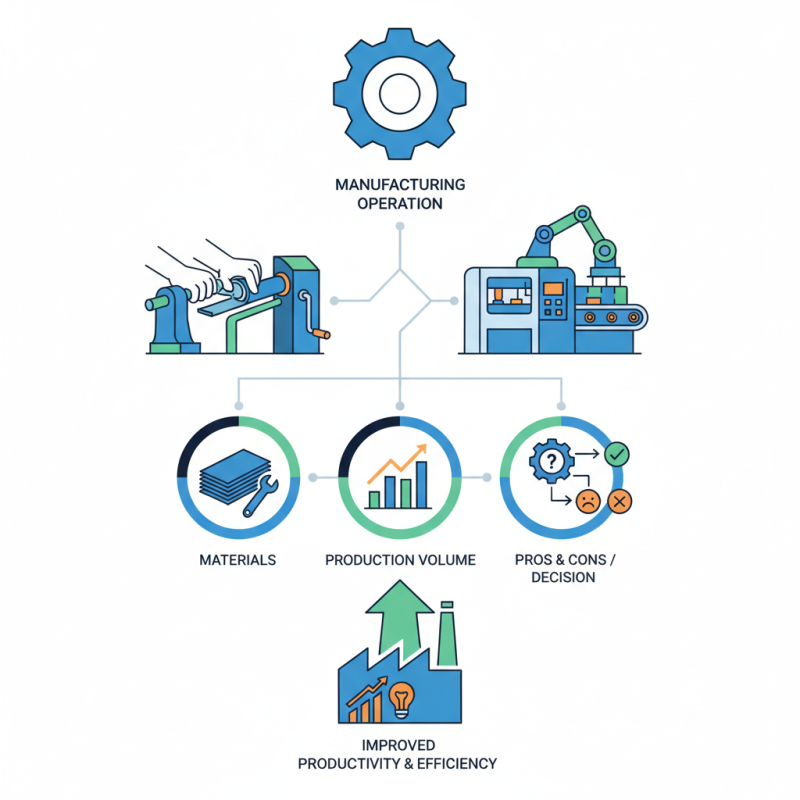
Choosing the right flanging machines is a crucial decision for any manufacturing operation. These machines shape metal sheets, creating flanges that are essential in various applications. Understanding your needs can lead to improved productivity and efficiency.
Flanging machines come in different types and sizes. Some are manual, while others are fully automated. Each type has its pros and cons. You might find yourself overwhelmed by choices. A wrong decision could lead to increased costs or reduced output.
Consider the materials you'll be working with. The thickness and type of metal may determine the flanging machines you need. Also, think about the production volume. Higher volumes often require more advanced machinery. Reflecting on these aspects can help you make a better choice.
Understanding Flanging Machines and Their Functions
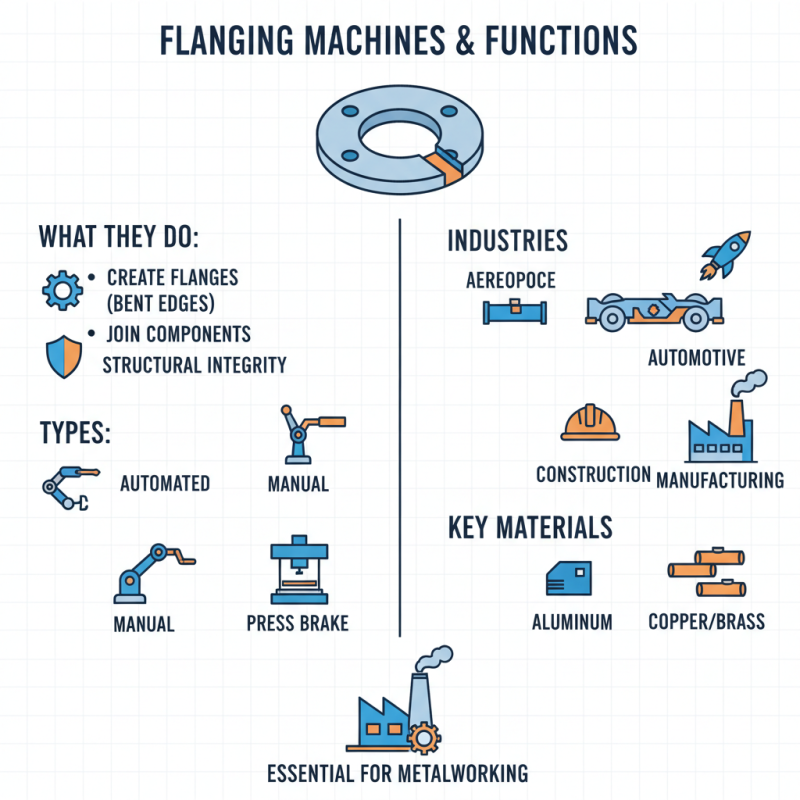
Flanging machines play a crucial role in metalworking. They are designed to create flanges, which are essential components in various manufacturing processes. Understanding their functions is vital for making informed choices. These machines can be categorized into several types based on their design and the materials they process. Different industries utilize flanging machines, including aerospace, automotive, and construction.
When selecting a flanging machine, factors like production capacity and material type matter. A report from the Metalworking Industry Association states that flanging machines can enhance efficiency by up to 30% in specific applications. This highlights their importance in streamlining fabrication processes. However, not all machines are suitable for every application. Evaluating material thickness and the desired flange dimensions can sometimes lead to mismatches, resulting in wasted resources.
Customization options can also affect decision-making. Some machines allow for adjustments to accommodate various thicknesses and shapes. Yet, flexibility comes at a cost. Often, machines that offer greater versatility are more expensive and complex. Companies must weigh the benefits against their budget constraints and specific production needs. Effective research and understanding can help find the right balance.
Identifying Your Specific Flanging Requirements
Identifying your specific flanging requirements is crucial for making an informed decision when choosing flanging machines. Start by assessing the materials you will be working with. Different metals require varied flanging techniques and machine settings. According to industry reports, stainless steel is one of the most commonly flanged metals. It presents unique challenges due to its hardness and resistance to deformation. Make sure your chosen machine can handle the specific thickness and type of material you'll use.
Tip: Analyze your production volume. If you need high-volume outputs, consider machines that offer automated features. These can significantly reduce labor costs and increase efficiency. However, if your needs are lower, investing in a basic manual machine might be more sensible.
Additionally, think about the complexity of your projects. Complex designs may require advanced features like CNC integration. The investment in a more sophisticated machine can lead to higher precision and less waste, as reported by manufacturing analysts. Look at your typical design challenges and choose accordingly.
Tip: Don't skip testing. Requesting a demo can help you evaluate performance firsthand. It’s essential to ensure your choice meets your expectations. Remember, your requirements can change over time, so consider machines that allow for scalability and adaptability.
Evaluating Different Types of Flanging Machines Available
When evaluating different types of flanging machines, it’s essential to consider the specific needs of your projects. There are several popular configurations, each with unique capabilities. For instance, hydraulic flanging machines are known for their power and precision, making them suitable for thick materials. In contrast, manual machines may be ideal for smaller operations or those on tight budgets. According to a recent industry report, the hydraulic flanging machine market is expected to grow by 4.5% annually, reflecting a growing demand for more robust equipment.
The choice of machine also influences the quality of the flanged edges. Quality flanging can reduce the need for reworking, which is significant for production efficiency. Inconsistent results with lower-end machines can lead to increased scrap rates and wasted materials. A study revealed that 25% of manufacturers experience quality issues when using outdated machines. Adapting to newer, more efficient types may be worth the initial investment.
Overall, each flanging machine type has advantages and disadvantages. Understanding the production scale and expectations is crucial. Some machines might seem cost-effective upfront but could incur higher operational costs due to inefficiencies. It’s essential to reflect on your needs carefully before making a decision, as the right machine can impact long-term productivity and material usage.
Flanging Machines: Comparison of Types by Maximum Flanging Thickness
Important Features to Consider When Choosing a Machine
Choosing the right flanging machine can be challenging. Focus on important features to ensure you get the best fit for your needs. Start with the machine's capacity. This refers to the thickness of the material it can handle. Consider both metal and other materials. A machine that cannot handle thicker metal may slow down production.
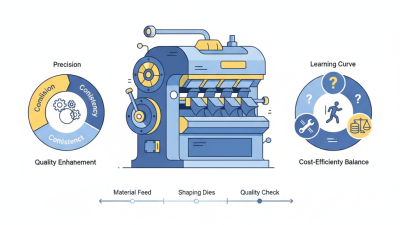
Another key feature is the control system. Digital controls offer precision and ease of use. However, they may come with a learning curve. Think about who will operate the machine. Those with more experience might prefer a manual setup. User-friendliness is crucial. A complex interface can lead to mistakes.
Lastly, consider the portability of the machine. Will it be moved frequently? If so, lightweight models are better. On the other hand, if it stays in one place, durability might be more important. Each feature has trade-offs. Weighing these options can lead to better decisions.
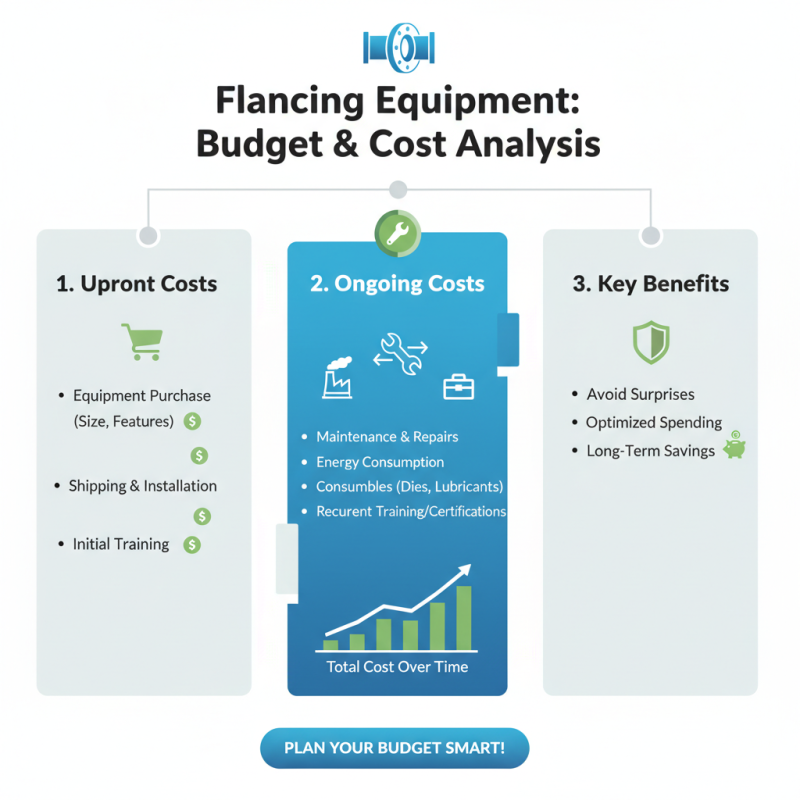
Budgeting and Cost Analysis for Flanging Equipment
When selecting flanging equipment, budgeting plays a crucial role. First, identify all potential costs. Equipment prices vary widely, depending on size and features. It’s wise to consider both upfront and ongoing costs. Maintenance, training, and energy consumption add to the total. A well-structured budget helps avoid surprises.
Next, explore your specific needs. If production demands change frequently, investing in a versatile machine might be worth it. However, less complex needs could justify a simpler model. Research the resale value, too. Some machines depreciate quickly while others retain value longer. Reflecting on future needs can guide your decision.
Lastly, do not overlook the importance of a thorough cost analysis. Look at available financing options. An upfront payment might strain your budget. Monthly payments may ease cash flow. Make a list of priorities. Sometimes, features that seem essential can be sacrificed for the sake of budget constraints. Balancing cost with functionality is key to a smart purchase.