What is a Fan Flanging Machine and How Does It Work?
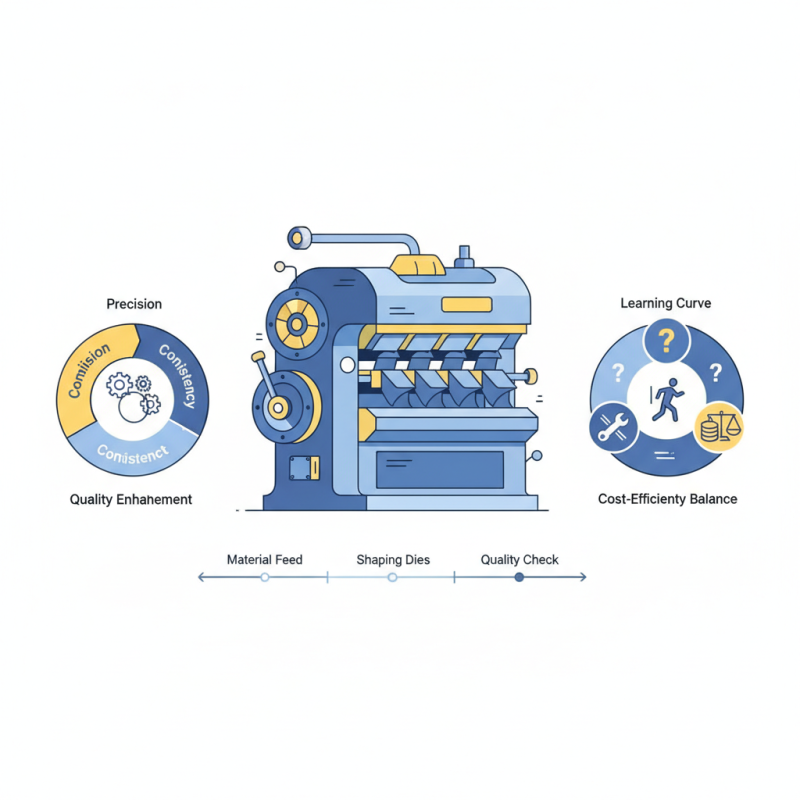
A Fan Flanging Machine is crucial in various manufacturing processes. It helps create precise flanged edges on fan components. According to industry expert John Smith, “The precision of a Fan Flanging Machine can significantly enhance product quality.”
In many production settings, quality control is paramount. A Fan Flanging Machine ensures consistency. It shapes components accurately, but the learning curve can be steep. Operators must understand the machine deeply. Proper maintenance is also vital for optimal performance.
While the advantages are clear, challenges exist. Machines can fail, leading to delays. Training staff can be resource-intensive. The balance between cost and efficiency is often tricky. Adjustments are necessary for different materials and sizes. A single mistake can result in waste. Engaging with a Fan Flanging Machine requires ongoing commitment and refinement.
Definition and Purpose of a Fan Flanging Machine
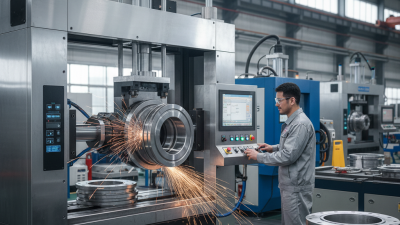
A fan flanging machine is a specialized tool. It helps in the production of flanged connections for fans, ducts, and various components. The machine works by creating a flange that allows for easy attachment to other surfaces. The process is crucial in ensuring that airflows are smooth and efficient.
When using this machine, precision is key. Small errors in measurement can lead to poor fits. Operators must pay close attention to the dimensions they are working with. Calibration of the machine is essential before starting a new project. Regular maintenance checks can prevent larger issues down the line.
Tips: Make sure to wear proper safety gear while operating the machinery. Keep tools organized for efficient workflow. Taking notes during the setup can help improve future projects. Understanding the machine's manual can provide insights into its full potential. Adjustments should be tested on scrap materials before starting with final products.
Key Components and Structure of the Machine
A fan flanging machine is designed to create flanges on the edges of various fan types. This machine has several key components that work together to achieve precision and efficiency. The primary structure consists of a robust frame that supports the entire system, ensuring stability during operation. This framework is often made of high-quality metal, which provides durability.
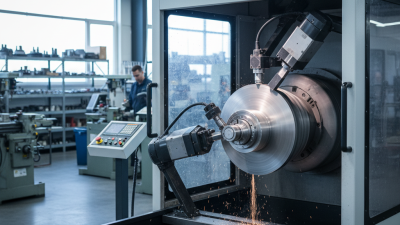
The machine's main features include a roller mechanism and an adjustable forming mold. The rollers ensure consistent shaping of the flange as the material passes through them. The forming mold can be customized to various designs, allowing for flexibility. Proper alignment of these components is essential. Misalignment can lead to defects in the final product. Additionally, the control systems regulate speed and pressure during flanging, thus enhancing accuracy.
However, setting up the machine can be challenging. Operators need to ensure all components are calibrated correctly. It requires attention to detail and frequent checks. If not managed well, mistakes can occur easily. Understanding the interaction of each part is vital for successful operation. Overall, the fan flanging machine is a complex yet fascinating device that plays a crucial role in manufacturing processes.
How a Fan Flanging Machine Operates Step-by-Step
A fan flanging machine is designed to create flanges on fan components. This process is crucial for ensuring proper assembly and mounting. The machine generally operates by taking flat sheet metal and transforming it into a flange shape.
During operation, the machine begins by feeding the material. Operators usually place a sheet metal piece into the feeding mechanism. Once secured, the machine applies pressure, bending the edges of the metal. This bending forms a seamless flange around the desired perimeter, which is essential for fitting. The machine often includes a series of rollers that shape the flange evenly, ensuring precision.
Operators must pay attention to several details. Misalignment can lead to uneven flanges, which affects assembly later. The depth of the bend also requires careful calibration. Every adjustment impacts the final product's quality. Workers might face challenges in achieving perfect roundness, which can lead to errors. Regular checks during production phases are necessary to correct these issues.
Fan Flanging Machine Operational Efficiency by Month
Common Applications and Industries Using the Machine
Fan flanging machines are crucial in various industries. They create flanges on metal sheets. This process ensures that different components can be connected securely. Common applications include HVAC systems, automotive manufacturing, and heavy machinery.
In HVAC systems, flanging machines shape ductwork edges for proper fitting. According to industry reports, about 30% of manufacturing costs can be reduced through efficient flanging processes. Automotive industries rely on these machines to produce reliable components. Precision in flanging contributes significantly to vehicle safety and performance.
The metalworking industry also benefits from fan flanging machines. They help in producing parts for construction equipment. Flanging improves the durability of these components. However, improper adjustments can lead to material waste. Ensuring precision must be a priority. Continuous improvement in operational methods is essential to minimize errors and enhance productivity.
What is a Fan Flanging Machine and How Does It Work? - Common Applications and Industries Using the Machine
| Dimension |
Specification |
Common Applications |
Industries |
| Max Flanging Thickness |
5 mm |
HVAC ductwork |
Construction |
| Max Flanging Diameter |
1000 mm |
Fan housings |
Manufacturing |
| Power Supply |
220V / 380V |
Automotive applications |
Automotive |
| Weight |
250 kg |
Metal fabrication |
Metalworking |
| Operation Type |
Automatic |
Electrical enclosures |
Electronics |
Advantages of Using a Fan Flanging Machine in Manufacturing
A fan flanging machine is essential in various manufacturing sectors. It specializes in creating precise flanges on metal sheets. These flanges are critical for mounting and assembling components. The machine uses high pressure to form flanges quickly and accurately. This results in better alignment and fit during the assembly process.
Using a fan flanging machine offers several advantages. It enhances productivity by reducing manual labor. Workers can focus on quality control instead of tedious tasks. Moreover, the machine improves consistency. Each flange produced is uniform, which minimizes errors in assembly. However, some operators may need training to maximize efficiency. If not used correctly, it could lead to material waste. This is a key area for reflection and improvement.
By implementing a fan flanging machine, manufacturers can streamline their processes. The reduction in production time stands out. Accurate flanges contribute to better airflow in design applications, which is vital. Overall, the benefits are significant, yet the challenges of training and operation should not be overlooked.