What is Head Flanging Machine and How Does It Work?
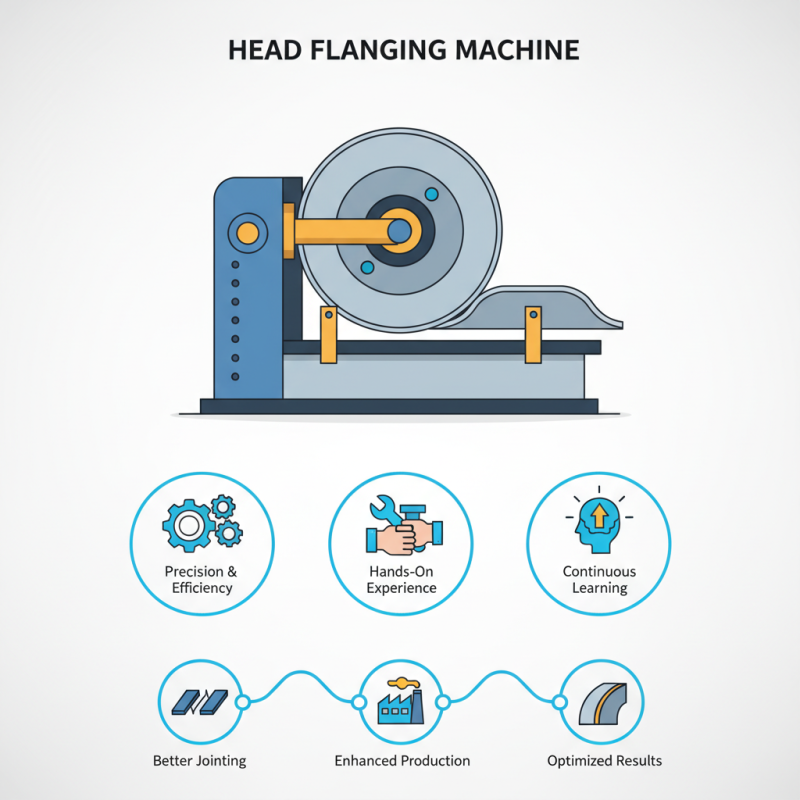
The Head Flanging Machine is an essential tool in metalworking industries. It shapes the edges of materials, creating flanged sections that enable better jointing. This machine has revolutionized how manufacturers approach assembly in various applications.
Developing a deep understanding of the Head Flanging Machine is key for engineers and technicians. Its operation combines precision and efficiency, enhancing production capabilities. Users often find themselves fascinated by its mechanics and functionality.
However, mastering the Head Flanging Machine requires hands-on experience. Despite its automated nature, subtle inaccuracies can lead to flaws in flanging. Continuous learning and practice are crucial for optimizing results.
What is a Head Flanging Machine?
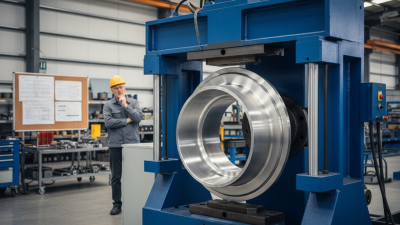
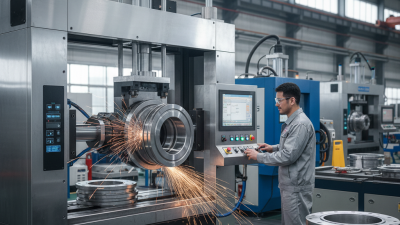
A Head Flanging Machine is a specialized device used in metalworking. Its primary function is to form a flange on the edges of sheet metal. This process allows for better joint fitting and assembly in various industries, including automotive and construction. The machine operates by applying controlled pressure while rotating the metal, creating a smooth, precise flange.
The machine's design is crucial for its effectiveness. Typically, it features adjustable rollers and a strong motor, providing flexibility for different sheet metal thicknesses. Operators need training to ensure safety and precision. However, improper use can lead to flawed flanges, wasting material and time. Achieving consistency is key, but even experienced users may encounter difficulties.
Regular maintenance is essential for optimal performance. Operators must monitor wear and tear. Over time, components may degrade, affecting output quality. Not every job goes as planned. Sometimes, adjustments are necessary to achieve the desired results. This process takes practice and patience, highlighting the complex nature of metalworking.
What is a Head Flanging Machine and How Does It Work?
| Feature |
Description |
Applications |
Advantages |
| Machine Type |
Head Flanging Machine |
Automotive, Aerospace |
High precision, Versatility |
| Working Principle |
Flanging is performed by rotating the part while applying pressure to create a flange |
Sheet metal fabrication |
Improved strength of joints |
| Key Components |
Flanging die, Motor, Control panel |
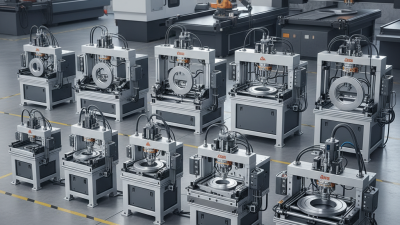
Production lines, Custom fabrication |
Reduced material waste |
| Material Compatibility |
Aluminum, Steel, Copper |
Metal enclosures, Ducting |
Adaptable to various materials |
| Production Speed |
High-speed processing |
Mass production volumes |
Efficient for large batches |
Key Components of a Head Flanging Machine
A head flanging machine is essential in metalworking. It shapes the edges of metal sheets, creating flanges for various applications. Understanding its key components is crucial for effective use.
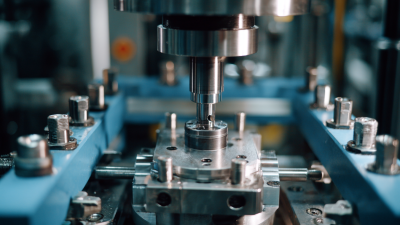
The main part is the forming head. This is where the metal sheet is gripped and shaped. The forming rollers apply pressure, bending the metal edges smoothly.
Next, we have the drive motor. This powers the machine, ensuring consistent speed and force. Additionally, the work table provides stability during the process. It holds the material in place, allowing precise flanging.
Control systems monitor the machine's operation. This includes adjusting speed and pressure based on the metal's thickness. Operators must learn to adjust these settings carefully. Miscalculations can lead to defective products.
Overall, mastering the head flanging machine requires both knowledge and practice. Understanding its components is just the start.
How Does a Head Flanging Machine Operate?
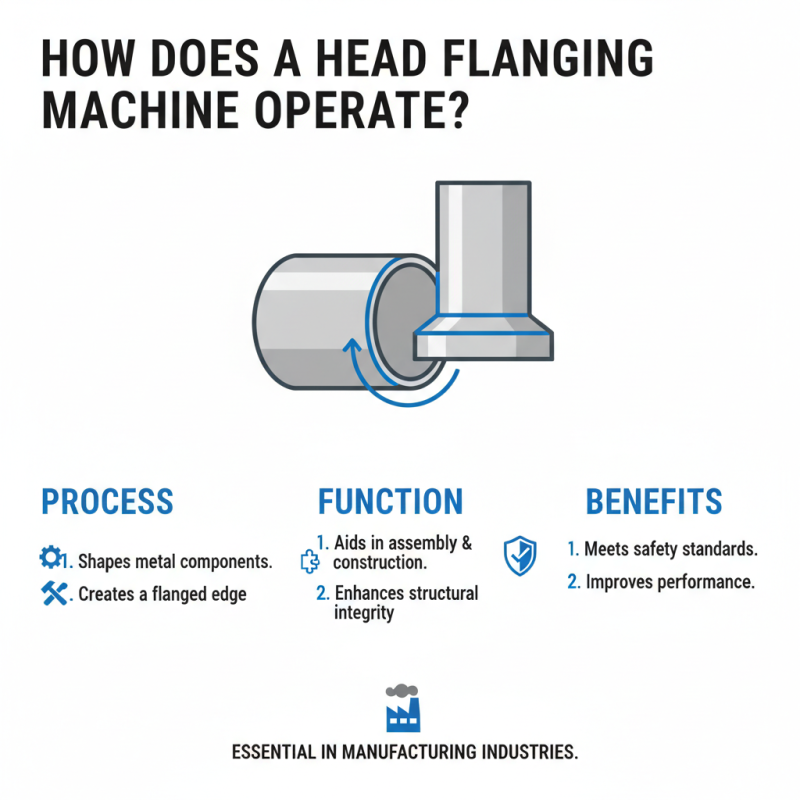
A head flanging machine is essential in various manufacturing industries. It creates flanges on metal components, aiding in assembly and construction. This process enhances the structural integrity of products, ensuring they meet safety and performance standards.
Operated by precise hydraulic systems, the machine draws metal sheets into a forming die. The die shapes the edge of the sheet, producing a flange. Data from industry reports indicate that machines with advanced automation can increase efficiency by up to 30%. Still, operators need to monitor the process closely to prevent material wastage. Adjustments to pressure settings might be necessary for different materials.
Regular maintenance is crucial for optimal performance. Some operators neglect this, leading to increased downtime and costs. Inconsistent flange quality can also occur, requiring rework. While the technology is reliable, it is not infallible. Training operators thoroughly can mitigate issues and enhance output quality. Balancing speed and accuracy is an ongoing challenge in this field.
Applications of Head Flanging Machines in Industry
Head flanging machines are vital in industries such as automotive and aerospace. These machines create flanges on the edges of materials, facilitating seamless connections in assemblies. For instance, the automotive sector relies on them to manufacture exhaust systems and structural components, ensuring stability and durability. The global automotive flanging machine market is projected to grow at a CAGR of 5% through 2028, reflecting this machine’s increasing relevance.
Moreover, head flanging machines find applications in the manufacture of piping systems. Industries such as oil and gas utilize them for creating flanged joints. These joints ensure leak-proof connections, which are crucial for safety and efficiency. According to a report by MarketsandMarkets, the global piping market is expected to reach $80 billion by 2026, illustrating the growing need for reliable machinery like flanging machines.
Despite their significance, it's worth noting some challenges. The accuracy of flanging operations can vary based on machine condition and operator skill. Regular maintenance is essential to maximize efficiency. Investments in training programs can also aid in enhancing operational precision. As industries evolve, addressing these imperfections in process and skill is paramount to maintaining the reliability of head flanging machines.
Benefits of Using Head Flanging Machines in Manufacturing Processes
Head flanging machines play a critical role in metal fabrication, particularly in the automotive and aerospace industries.
These machines form flanges on the edges of metal sheets, improving strength and ensuring proper alignment during assembly.
Using head flanging machines brings several benefits to manufacturing processes. They enhance the structural integrity of components by creating
strong, consistent flanges. The precision of these machines reduces material
wastage, allowing manufacturers to optimize their resources. This translates to cost savings and improved production efficiency.
Tips: Regular maintenance of head flanging machines is essential. Check for wear and tear
to prevent costly downtime. Operators should receive training to maximize efficiency and safety.
Moreover, while these machines offer great benefits, it’s crucial to assess their limitations. Not all materials may respond well to flanging.
Understanding the specific needs of the project can lead to better outcomes. Balancing machine capabilities with
material properties remains fundamental for success in fabrication.