What is a Hydraulic Flanging Machine and How Does it Work?
The Hydraulic Flanging Machine is a vital tool in metalworking. It shapes materials by creating a flanged edge. This process is essential for various industries, including automotive and construction.
Hydraulic flanging machines use hydraulic power to exert pressure. This allows for precise bending and shaping of metals. The technology has evolved significantly, enhancing efficiency and accuracy. Operators need to understand the machine's workings for optimal performance.
Despite the advantages, there are challenges. Proper training is necessary to avoid mistakes. Misalignment can lead to defects in the final product. Continuous learning and adaptation are crucial in this field. Understanding the specific applications of a Hydraulic Flanging Machine can improve outcomes significantly.
Definition and Purpose of a Hydraulic Flanging Machine
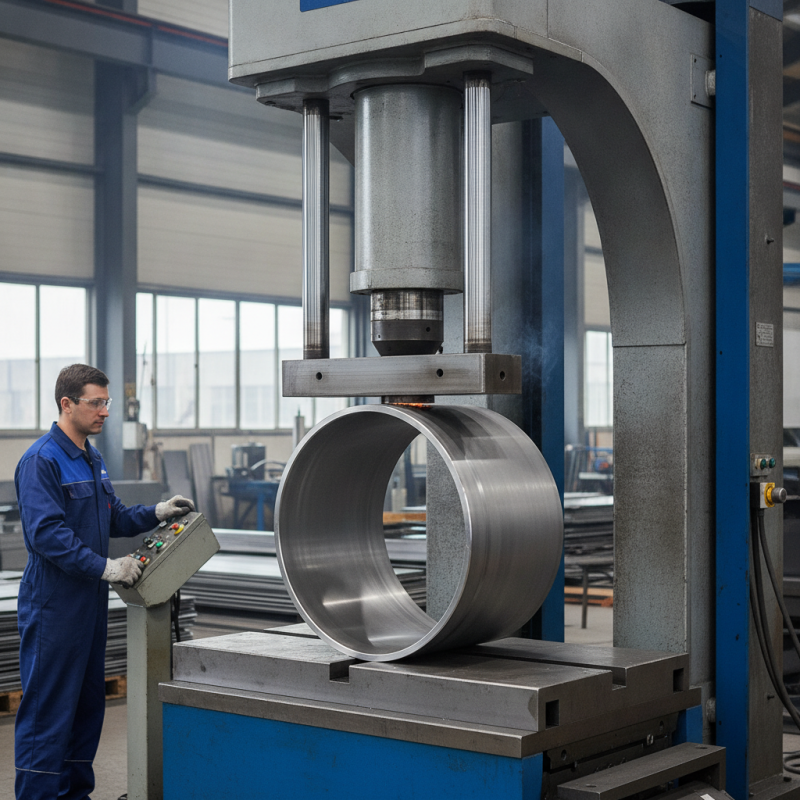
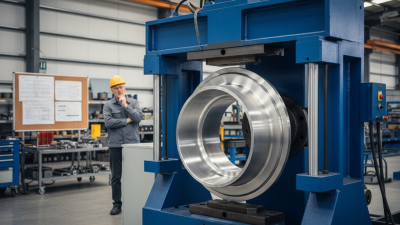
A hydraulic flanging machine is an essential piece of equipment in metalworking. It is designed to create flanges in various materials, mostly metals. The machine utilizes hydraulic pressure to bend or form edges. This ensures precision and consistency in manufacturing.
The primary purpose of a hydraulic flanging machine is to enhance strength and stability in metal components. By creating flanges, manufacturers can enable better connection points for assembly. The process allows for smooth edges, minimizing the risk of injuries during handling. However, using this machine also requires careful training and experience. Improper techniques can lead to defects.
Operators must be aware of the hydraulic system's capabilities. Overloading can cause equipment failure. Regular maintenance is also crucial for safety and performance. Each project might present unique challenges. Adapting to these can be a learning curve for many technicians. This machine embodies both innovation and complexity in metal fabrication.
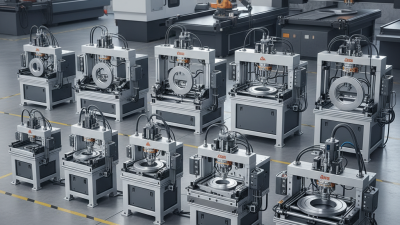
Hydraulic Flanging Machine Production Capacity
Key Components of a Hydraulic Flanging Machine
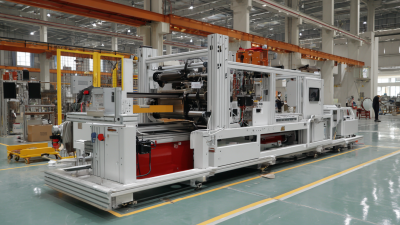
Hydraulic flanging machines are crucial in metalworking. They create precise flanges on metal sheets, enhancing their usability. Understanding the key components is vital for effective operation.
The hydraulic system is the heart of the machine. It generates the high pressure needed to shape metals. Hydraulic fluid transfers force effectively, allowing for higher accuracy. The pump, often electrically driven, ensures a steady fluid flow. This system requires regular maintenance to avoid leaks and pressure drops.
Next, the die set plays a significant role. It shapes the metal into the desired flanged form. The quality of the die affects the final output significantly. Selecting the correct materials for the die can be challenging. Sometimes, users may encounter wear or deformation, leading to inconsistencies. Additionally, proper alignment of the metal sheets in the machine is crucial. Misalignment can ruin the forming process, requiring careful handling by operators. Their experience can greatly influence the efficiency and quality of the flanging process.
How a Hydraulic Flanging Machine Operates
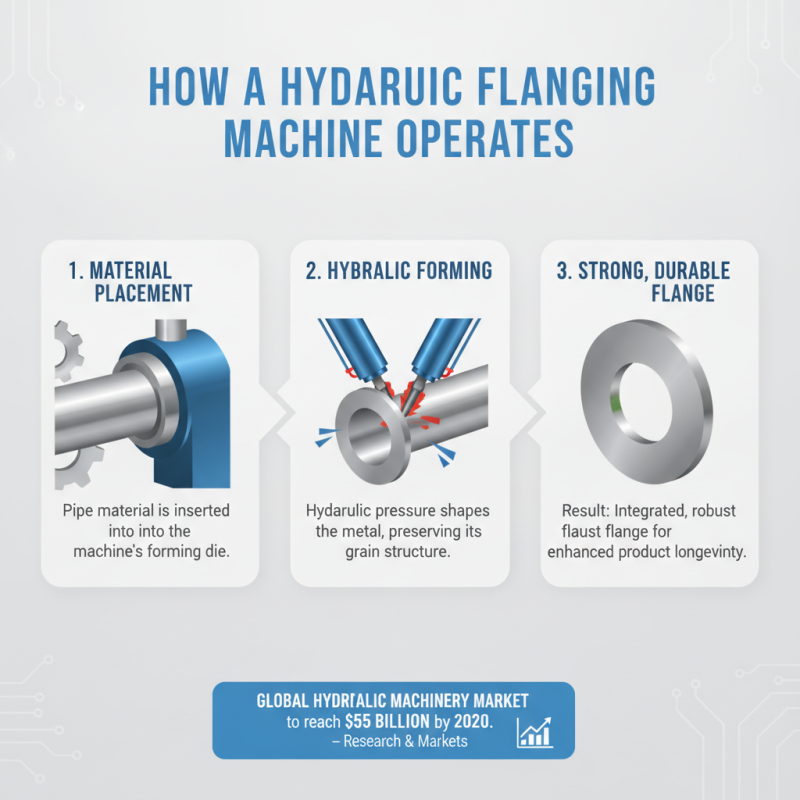
A hydraulic flanging machine is essential in metalworking, particularly for creating flanges on pipe materials. It uses hydraulic pressure to form the metal without affecting its grain structure. This method preserves the integrity of the material, contributing to stronger, more durable products. According to a report by Research and Markets, the hydraulic machinery market is expected to reach $55 billion by 2030, highlighting the growth and significance of hydraulic systems in manufacturing.
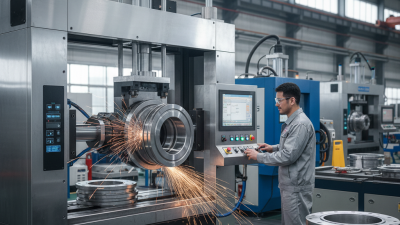
The operation of a hydraulic flanging machine involves several critical steps. First, the workpiece is placed securely in the machine's clamp. Next, hydraulic fluid is pumped into the cylinder, generating pressure that forces the flanging die against the metal. This action shapes the metal precisely into the desired flange profile. Industry reports indicate that this method can increase production efficiency by up to 30% compared to traditional mechanical flanging. Despite its advantages, many operators struggle with calibrating the pressure settings. Miscalculations can lead to product wastage or compromised quality.
Regular maintenance of hydraulic systems is crucial. Over time, wear and tear can affect performance. Attention to detail in inspections can prevent downtime. Training operators on hydraulic principles enhances reliability. Reports signal a trend; companies investing in operator education see better output quality and fewer errors. Understanding the machine's capabilities is key to optimizing its use.
Applications of Hydraulic Flanging Machines in Industries
Hydraulic flanging machines play a vital role in various industries. They are commonly used in the aerospace, automotive, and metalworking sectors. These machines help create flanges, which are essential for joining pipes, ducts, and components. In aerospace, precise flanging is vital for creating safe, reliable aircraft structures. In automotive manufacturing, they help shape parts that need to fit perfectly for performance and safety.
Different industries apply hydraulic flanging machines based on their unique requirements. In metal fabrication, they can produce components for machinery and tools. Hydraulics allow for consistent force application, ensuring every flange is uniform. This level of precision can reduce material waste and improve the overall quality of finished products. However, issues may arise if the machine is not maintained properly. Over time, wear and tear can affect performance, leading to inaccuracies.
Operators must also be well-trained. Misunderstandings about machine capabilities can result in production challenges. Regular training and updates can enhance efficiency. Keeping the hydraulic system well-oiled and checked can prolong the machine's life. In a dynamic environment, the demand for high-quality flanging persists. Industries must adapt continuously to meet these challenges with better technology and skilled personnel.
What is a Hydraulic Flanging Machine and How Does it Work? - Applications of Hydraulic Flanging Machines in Industries
| Dimension |
Specification |
Application |
| Pressure Range |
1000 - 3000 PSI |
Metal Forming |
| Flanging Diameter |
Up to 500 mm |
Pipe Manufacturing |
| Thickness Capacities |
1 - 10 mm |
Sheet Metal Fabrication |
| Control Type |
CNC and Manual |
Automotive Parts |
| Cycle Time |
15 - 30 seconds |
Industrial Equipment |
| Noise Level |
75 - 85 dB |
Manufacturing Facilities |
Advantages of Using Hydraulic Flanging Machines
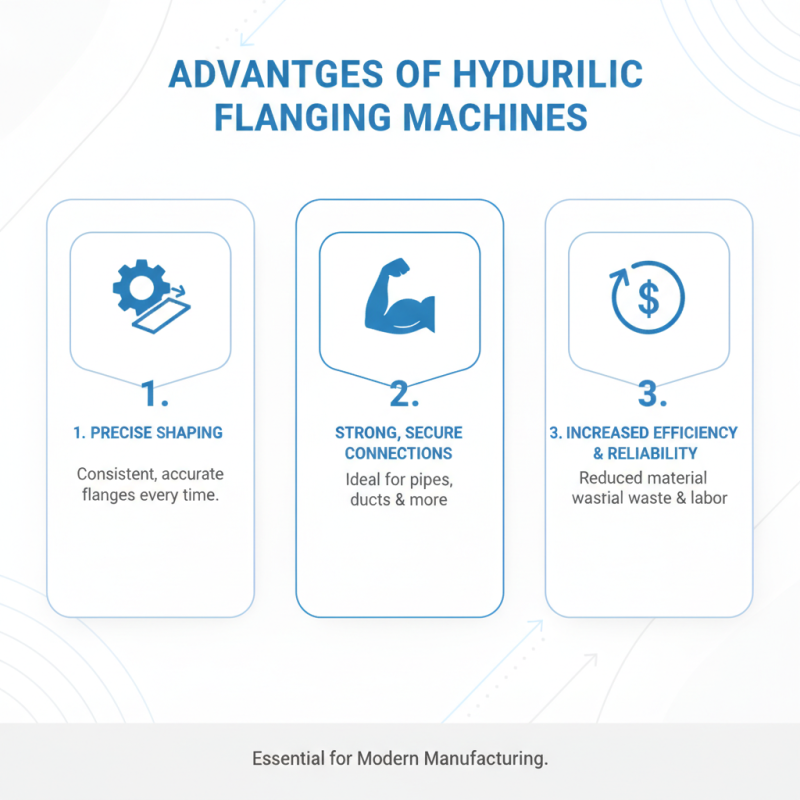
Hydraulic flanging machines are essential for industries that require precise shaping of metal components. These machines use hydraulic pressure to create flanges on various materials. This results in strong, secure connections for piping, ducts, and other applications. The advantages of hydraulic flanging machines are numerous, making them popular choices in manufacturing.
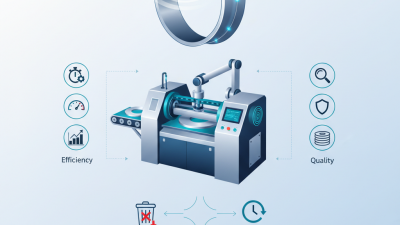
One major benefit is efficiency. Hydraulic flanging machines save time by automating the flanging process. They can handle a variety of shapes and sizes, accommodating a wide range of projects. This versatility allows manufacturers to scale operations easily. Another advantage is the consistency of results. Hydraulic systems distribute pressure evenly, ensuring uniform flanges with minimal defects.
Tips for maximizing your hydraulic flanging machine include regular maintenance checks. Keeping the machine in optimal condition prevents downtime. It’s also important to train operators properly. Well-trained staff can enhance safety and efficiency while reducing errors. However, companies often neglect ongoing training, which can lead to mistakes.
Using hydraulic flanging machines can bolster your production capabilities. They provide a blend of speed and precision. Yet, constant evaluation of processes is key. Manufacturers should regularly assess their machinery's performance to stay competitive.