Why is Spinning Steel Important in Modern Manufacturing?
Spinning Steel is a vital process in modern manufacturing. This technique involves shaping and forming steel into various components. It enhances product durability and structural integrity. Industries rely on Spinning Steel for creating parts used in machines, vehicles, and structures.
In recent years, the demand for precision and efficiency has increased. Many manufacturers are turning to advanced Spinning Steel techniques to meet these needs. The process allows for the production of complex shapes that are difficult to achieve through other methods. Despite its advantages, some challenges exist. Workers must ensure quality to avoid defects, which can lead to costly errors.
Understanding Spinning Steel's importance can lead to better manufacturing practices. By optimizing this technique, companies can improve productivity and reduce waste. The process, while beneficial, also requires constant evaluation and adaptation. A commitment to quality in Spinning Steel can significantly impact overall manufacturing success.
The Role of Spinning Steel in Enhancing Material Properties
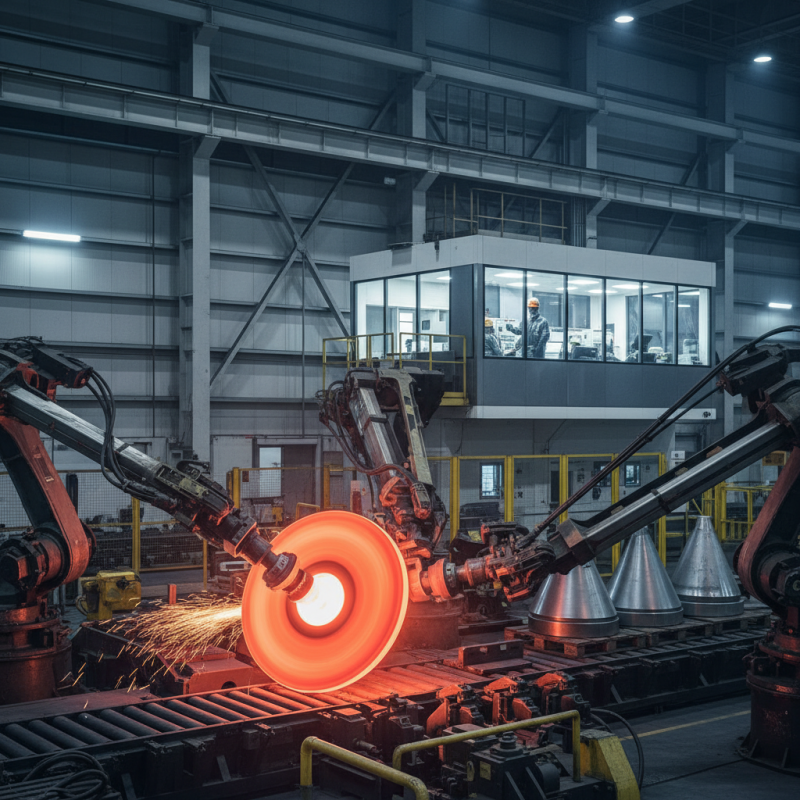
The process of spinning steel significantly enhances its material properties. Through this technique, the grain structure of steel is refined. When steel is spun, it undergoes a unique deformation that rearranges its molecular alignment. This results in increased strength and durability. More importantly, the spinning process can produce complex shapes with less waste.
However, spinning steel isn't without challenges. The right temperature and speed must be carefully controlled. If not, the steel can crack or deform incorrectly. Manufacturers often face difficulty in finding the optimal balance for their specific applications. Testing and adjustments are crucial, but they can be time-consuming and costly.
In many cases, efficiency can be improved further. Utilizing advanced technologies could streamline the spinning process. However, integrating new methods requires ongoing learning and adaptation. Despite its complexity, the importance of spinning steel in modern manufacturing remains undeniable. It continues to play a vital role in creating innovative products with enhanced material properties.
Key Applications of Spinning Steel in Automotive and Aerospace Industries
Spinning steel plays a vital role in modern manufacturing, particularly in the automotive and aerospace sectors. This process allows manufacturers to shape steel into lightweight components with high strength. In the automotive industry, spun components can reduce vehicle weight by up to 15%. This weight reduction enhances fuel efficiency and reduces carbon emissions.
In aerospace applications, precision is critical. Spinning steel creates airframe parts with minimal waste and high structural integrity. Reports suggest that the aerospace sector will increase component demand by 7% annually, highlighting the need for efficient manufacturing methods. Spinning ensures consistency and reliability, vital for aircraft safety.
Tips for manufacturers include investing in advanced spinning technology. Automation can significantly enhance precision. Regularly training staff on the latest techniques is also crucial. Additionally, consider the sustainability of materials used. Reducing material waste during production is increasingly important in today's eco-conscious landscape. Always evaluate the long-term benefits of spinning steel. The initial investment might seem high, yet the operational efficiencies realized often justify it.
Importance of Spinning Steel in Automotive and Aerospace Industries
This chart illustrates the applications of spinning steel in modern manufacturing, highlighting its key uses in the automotive and aerospace sectors. The data represents the estimated percentage of usage of spinning steel in various components within these industries.
Cost Efficiency and Waste Reduction Achieved Through Spinning Processes
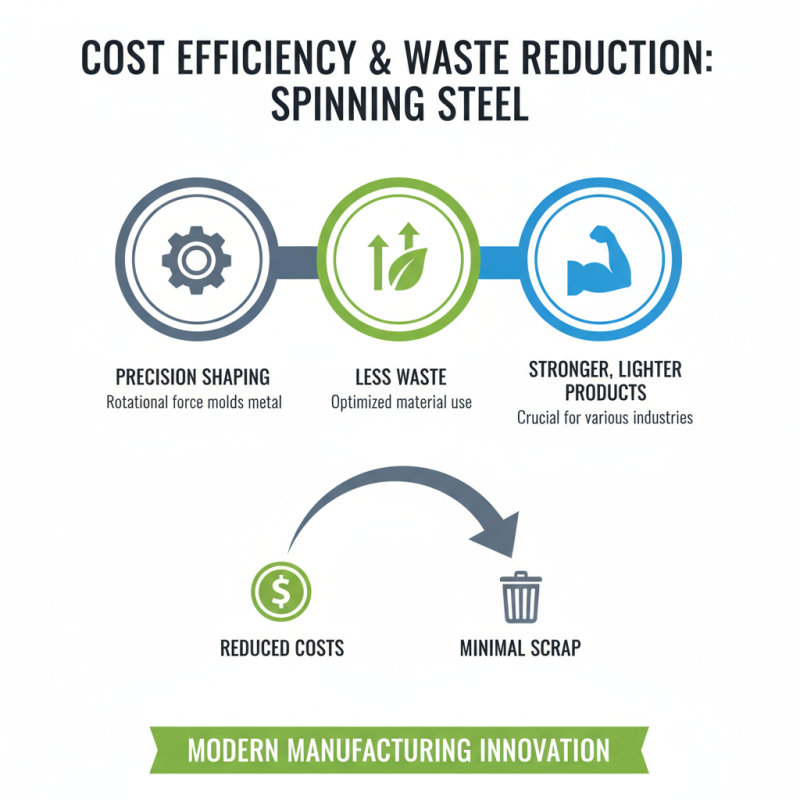
Spinning steel has become a crucial process in modern manufacturing. It allows for precise shaping of metal components. This technique uses rotational force to mold steel into various forms. The result is often a lighter and stronger product. This is vital in industries where weight and strength are key factors.
Cost efficiency is a significant benefit of steel spinning. The process requires less material than traditional methods. This reduction leads to lower costs and less waste. For example, using spinning can minimize scrap metal generated during production. However, achieving these savings requires skilled operators. Small mistakes during the spinning process can lead to a waste of resources. Each piece must be closely monitored throughout production.
Moreover, spinning processes contribute to reduced carbon footprints. By using less energy and material, manufacturers can lower emissions. This is an essential aspect of responsible manufacturing practices. Yet, many companies struggle to adopt spinning due to existing infrastructure limitations. Transitioning to this innovative method can be challenging, yet it offers numerous long-term advantages.
Technological Advancements in Steel Spinning Machinery and Techniques
Steel spinning has become a vital process in modern manufacturing. The evolution of steel spinning machinery significantly impacts production efficiency. Recent advancements include CNC technology, which enhances precision. For example, a report by the International Journal of Advanced Manufacturing Technology highlights a 30% reduction in production time with CNC systems.
Moreover, innovations in materials science allow for stronger yet lighter steel. This shift is essential for industries such as aerospace and automotive. The Global Steel Report states that manufacturers are increasingly adopting lightweight steel components to enhance fuel efficiency. However, transitioning to these new materials can be challenging and requires training.
Despite the advancements, some manufacturers struggle with integrating new technologies. Resistance to change often stems from the steep learning curve associated with modern machinery. Also, not every business can afford the latest equipment. This gap could widen between larger firms and smaller manufacturers, raising concerns about competitiveness in the industry.
Why is Spinning Steel Important in Modern Manufacturing?
| Dimension |
Importance |
Technological Advancements |
Application Areas |
| Material Efficiency |
Reduces waste in production |
Automated spinning processes |
Automotive components |
| Cost Reduction |
Lowers production costs |
Precision CNC machines |
Aerospace parts |
| Strength and Durability |
Enhances product lifespan |
Innovative alloy compositions |
Industrial machinery |
| Design Flexibility |
Facilitates complex shapes |
Advanced 3D modeling tools |
Custom metal fabrications |
| Environmental Impact |
Promotes sustainability |
Energy-efficient technologies |
Renewable energy systems |
Impact of Spinning Steel on Sustainable Manufacturing Practices
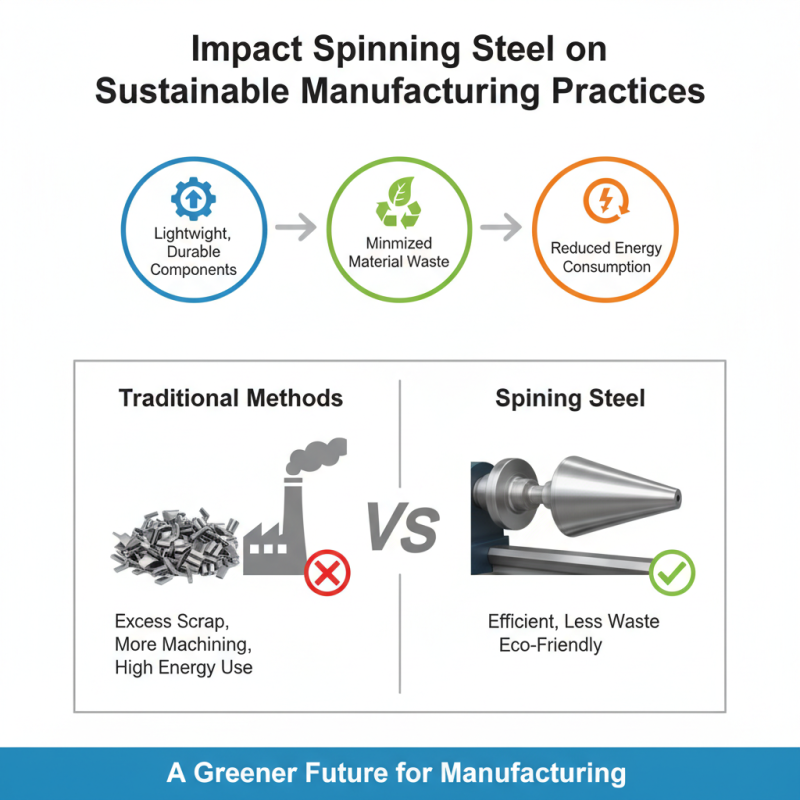
Spinning steel plays a critical role in sustainable manufacturing. It allows for the production of lightweight, durable components that minimize material waste. Traditional methods often result in excess scrap, which is neither efficient nor eco-friendly. Spinning reduces the need for extensive machining, leading to less energy consumption.
Additionally, the process can utilize various steel grades, enhancing recyclability. It also fosters innovation in designing components. Sustainable practices in spinning steel can lead to lower emissions. However, there is still a need for improvement. Many manufacturers struggle to balance production efficiency with environmental impact.
The energy used in spinning can be significant. Reducing energy usage remains a challenge for many. Some manufacturers have adopted energy-efficient technologies, yet not all follow suit. Continuous reflection on industry standards is necessary. Progressive techniques promise a greener future but require collective effort to truly succeed.