Leave Your Message

Why Choose Large Diameter Metal Spinning for Custom Parts?

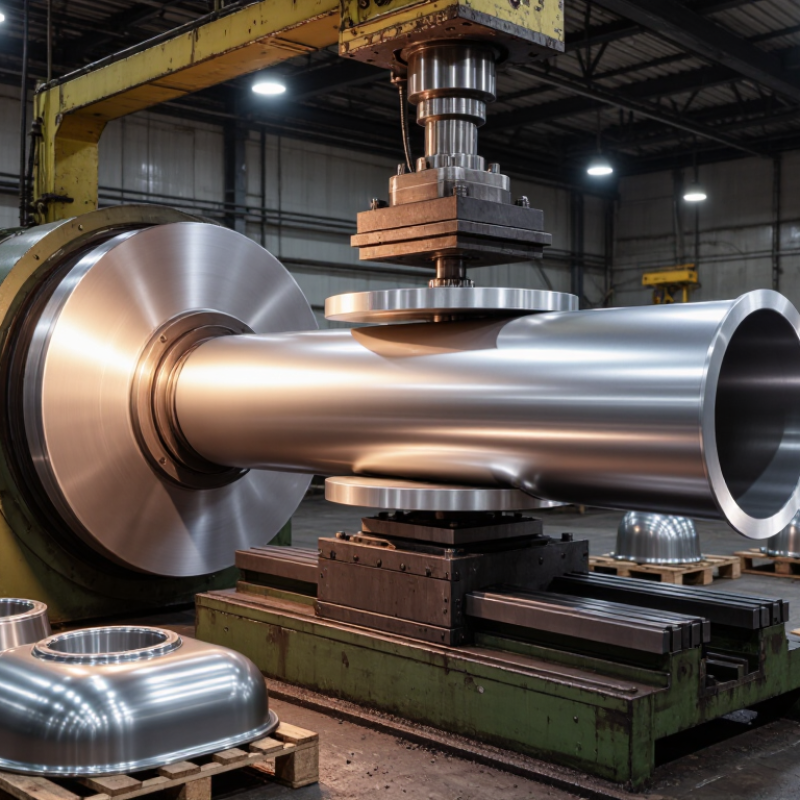
Large Diameter Metal Spinning can turn a flat metal blank into a wide, hollow component with a smooth, continuous shape. The process uses a rotating blank and a forming tool to gradually press material over a mandrel. For custom parts such as reflector housings, industrial covers, tanks, and duct components, this approach may reduce weld seams and simplify the finished profile. Fewer seams can mean fewer potential leak paths, though the final result still depends on design, material, and inspection.

It is a practical option, not a universal one. A skilled manufacturer will review diameter, wall thickness, alloy, tolerances, and production volume before recommending a process. Tooling and setup matter. So does the blank’s behavior as it stretches and flows. A small drawing change can affect how evenly the wall forms, especially near the edge or base. This deserves attention early, not after tooling is complete.

Large Diameter Metal Spinning may suit projects that need a formed shape without the cost or complexity of extensive fabrication. It can support repeatable production, but repeatability should be confirmed with sample parts and clear measurement criteria. Ask how the shop controls thickness, roundness, surface finish, and dimensional variation. These details are easy to overlook. The process also has limits, and very deep forms or unusually tight tolerances may need another method or a hybrid design. The best choice comes from comparing actual requirements, not assuming spinning is automatically faster or cheaper. That distinction is worth remembering.
Why Choose Large Diameter Metal Spinning for Custom Parts?

What Large-Diameter Metal Spinning Is

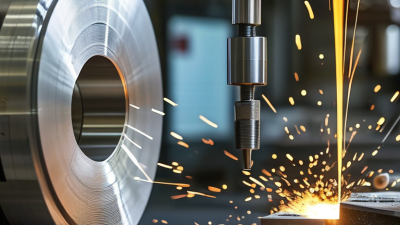
Large-diameter metal spinning forms a flat, circular metal blank into a hollow, rotationally symmetrical part. The blank is clamped against a rotating mandrel while a forming roller presses it gradually over the tool. The mandrel shapes the inner profile; the roller controls how the metal flows. No sudden stamping action is involved. That gradual movement matters.

There is no single diameter that defines “large.” The term depends on the equipment, tooling, material, and part design. Typical examples include wide covers, reflectors, cones, and vessel sections. A shop may produce these from aluminum, stainless steel, or other formable metals, subject to machine capacity and material thickness. On a broad blank, even small shifts in alignment can affect wall thickness or create uneven edges.

The process can suit custom parts because tooling may be simpler than dedicated tooling for some other forming methods. But it is not magic. A large, thin shell can wrinkle, vibrate, or spring back if the setup or forming sequence is poorly chosen. Operators need to consider blank size, alloy, thickness, and finish requirements before production. Test pieces help reveal problems early, though they add time and material. A careful review of the finished part is still essential.
How the Custom Part Forming Process Works

How the Custom Part Forming Process Works

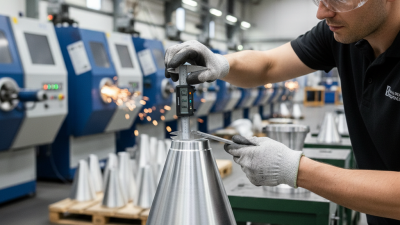
A custom spinning job begins with a drawing, material specification, and a clear definition of the finished part’s critical dimensions. The operator cuts a circular blank, clamps it against a mandrel, and rotates both together. A forming roller then presses the metal gradually over the mandrel’s contour. The ASM Handbook, Volume 14B, describes spinning as a sheet-forming process for axisymmetric shapes. In practice, that means cones, domes, and large-diameter covers are natural candidates. Small changes matter.

Before production, the shop checks blank size, mandrel shape, and material condition. During forming, the roller follows controlled passes rather than forcing the sheet into shape at once. Operators inspect wall thickness, edge profile, and runout; these checks can reveal uneven flow before it becomes scrap. The World Steel Association’s World Steel in Figures 2024 reports about 1.89 billion tonnes of crude steel production worldwide in 2023. That scale reflects the range of steel available, but it does not guarantee identical forming behavior: alloy, thickness, and temper all affect springback and cracking risk.

After forming, the part may need trimming, machining, or stress relief, depending on its design and service needs. A first article should be measured against the drawing, not judged by appearance alone. One honest limitation: tight tolerances across a very wide diameter can require extra setup and repeated measurement. The process is flexible, but not magic.

Why Choose Large-Diameter Metal Spinning for Custom Parts?

An example custom-part specification and the forming workflow.

The chart shows an illustrative rotationally symmetric part: a 800 mm starting blank formed into a 700 mm diameter, 250 mm tall component with a 3 mm wall. In metal spinning, a rotating blank is progressively shaped over a mandrel with a forming tool. It is often suitable for large, seamless custom parts; actual dimensions and wall thickness depend on the material, geometry, and process design.

Which Materials and Designs Suit Metal Spinning

Why Choose Large Diameter Metal Spinning for Custom Parts?

Material choice matters. Large-diameter metal spinning suits ductile sheet metals, including aluminum, copper, stainless steel, and low-carbon steel. The right option depends on strength, corrosion resistance, finish, and final wall thickness. A sample forming trial can reveal issues that a drawing may not show. It is tempting to assume every grade will behave alike. It will not.

Tips: Specify the alloy, temper, starting thickness, and finish. Ask how thinning and springback will be checked, especially near the rim.

Designs should usually be rotationally symmetrical, such as cones, cylinders, domes, and shallow bowls. Smooth transitions help metal flow over the mandrel. Deep shapes, tight corners, and abrupt changes can raise the risk of wrinkles or uneven thickness. Large parts also need suitable machine capacity and steady support. Small design changes may make production easier. Not every shape fits. If the part includes off-axis features, consider forming the main shell first, then adding those details in a later operation. A little extra review here can save a frustrating remake.

Why Choose It for Large Custom Parts

Why Choose It for Large Custom Parts

Large custom parts often need a wide, continuous shell without a welded seam. Metal spinning forms a flat blank over a rotating mandrel, shaping it with controlled tool pressure. This suits axisymmetric components such as hoppers, shrouds, tanks, and reflectors. On the shop floor, the difference is tangible: fewer seam details to design, inspect, and potentially repair. That matters.

For large diameters, spinning can be a practical alternative when deep-draw tooling would be costly or difficult to modify. Tooling is usually simpler, which can help with prototypes and lower-volume runs. Grand View Research valued the global metal fabrication market at USD 20.5 billion in 2023 and forecast 4.9% annual growth through 2030. This broad market figure is not a measure of metal spinning demand, but it reflects sustained activity in fabricated components.

Design still sets the limits. Material grade, wall thickness, diameter, and contour affect forming forces and springback. A very thin shell may distort; a tight tolerance may need machining after forming. Not every part is a fit. I would review a trial part with measurements at several points, because large shells can vary more than a drawing suggests. That extra check is easy to overlook.

Why Choose Large Diameter Metal Spinning for Custom Parts? — Why Choose It for Large Custom Parts
Decision Factor How Large-Diameter Metal Spinning Helps Best Fit and Design Considerations
Part geometry Forms rotationally symmetrical, hollow shapes such as cones, domes, funnels, and cylindrical transitions from sheet metal over a rotating form. Suitable when the part can be designed around an axis of rotation. Asymmetric shapes and complex non-rotational features may need additional processes.
Large custom dimensions Can produce large-diameter components without relying on a full-size matched die set typical of some pressing operations. Maximum diameter depends on the machine, tooling, material, and part geometry. Confirm equipment capacity with the manufacturer during design review.
Tooling investment Often uses a mandrel or form tool, which can make it practical for custom parts and lower-to-medium production quantities. Tooling economics depend on the required form, tolerances, quantity, and any secondary operations. High-volume production may favor a different process.
Part construction Can form a continuous shell from a single blank, reducing the need for seams in the spun section. Attachments, openings, stiffeners, and non-axisymmetric details may require trimming, machining, welding, or other follow-on work.
Material options Commonly used with formable sheet metals, including aluminum, carbon steel, and stainless steel grades. Formability varies by alloy, temper, thickness, and geometry. Material selection should account for forming behavior and the part’s service conditions.
Wall thickness and strength Material is shaped through controlled deformation, and the process can also work-harden some metals. Thickness may vary during forming, especially in demanding shapes. Specify allowable variation and evaluate the finished part where strength or pressure performance matters.
Surface finish The formed surface can be suitable for functional or visible applications, depending on the material, tooling, and process controls. Cosmetic requirements should be agreed in advance. Polishing, brushing, coating, or other finishing may be needed for the final appearance.
Lead time and design changes Compared with processes that require extensive dedicated die tooling, a spinning setup can be adaptable for custom designs and revisions. Actual lead time depends on tool availability, material sourcing, production scheduling, and inspection requirements. Confirm revision impacts before release.
Dimensional accuracy Produces repeatable formed profiles when the equipment, tooling, and process are controlled. Tolerances depend on part size, material springback, geometry, and measurement method. Define critical dimensions and inspection points on the drawing.
When to consider another process Spinning is less suitable when a design requires extensive non-rotational geometry, numerous integrated details, or production economics that favor another method. Compare spinning with stamping, hydroforming, fabrication, or machining based on geometry, quantity, tolerance, material, and total manufacturing cost.
Engineering note: Process capability is application-specific. Confirm part geometry, material grade and thickness, diameter, tolerances, quantity, and finishing requirements with a qualified manufacturer before finalizing the design.

Common Applications and Process Limitations

Large diameter metal spinning suits parts that are round, hollow, and nearly symmetrical. Common examples include ventilation cones, tank ends, lighting reflectors, and architectural domes. A spun transition can guide airflow while avoiding seams that may collect dust or moisture. Large reflectors also benefit from a continuous surface, though finish requirements can add extra work. For equipment housings, the process can create a smooth profile from a flat metal blank. The shape matters. Deep curves and gradual transitions are usually more practical than sharp corners.

Size alone does not make a part suitable. The metal must stretch without cracking, and its thickness may change during forming. Very thick stock can demand greater forming force and more robust tooling. Large workpieces also need careful support; vibration or slight misalignment can leave visible runout. That distinction is easy to miss on a drawing. Tight concentricity, small openings, or complex features may require secondary machining or a different process. Designers should review material, diameter, wall thickness, and inspection needs with the manufacturer before finalizing geometry. A prototype can reveal springback and surface marks, but it may not predict every production issue. Some details will still need adjustment.