How to Master the Spinning Metal Process for Effective Manufacturing?
The Spinning Metal Process has gained significant attention in modern manufacturing. This technique allows for the creation of complex shapes with precision and efficiency. According to a recent report by MarketsandMarkets, the global metal spinning market is expected to reach $2 billion by 2025. This showcases the growing demand for this process, driven by industries like aerospace and automotive.
However, mastering the Spinning Metal Process requires specific skill sets and knowledge. Many manufacturers struggle with the learning curve associated with this process. While the advantages are clear, such as reduced material waste and enhanced strength, not every business can utilize it effectively. Each spin can introduce unexpected challenges, and not every attempt yields optimal results.
Effective implementation is crucial for success. Companies must invest in training and the right equipment. Reports indicate that 30% of firms do not receive adequate ROI on their spinning projects. Identifying these pitfalls is essential for continuous improvement. Embracing the Spinning Metal Process can lead to remarkable advancements, but blind adoption without reflection can hinder progress.
Understanding the Basics of Spinning Metal Process in Manufacturing
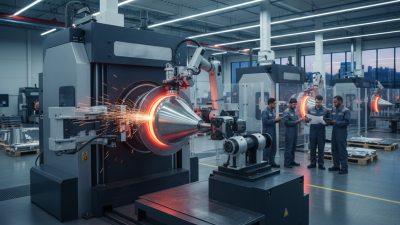
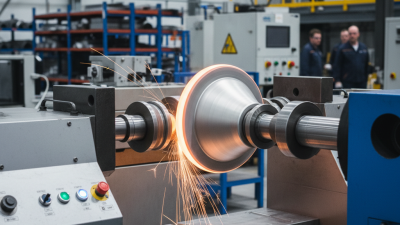
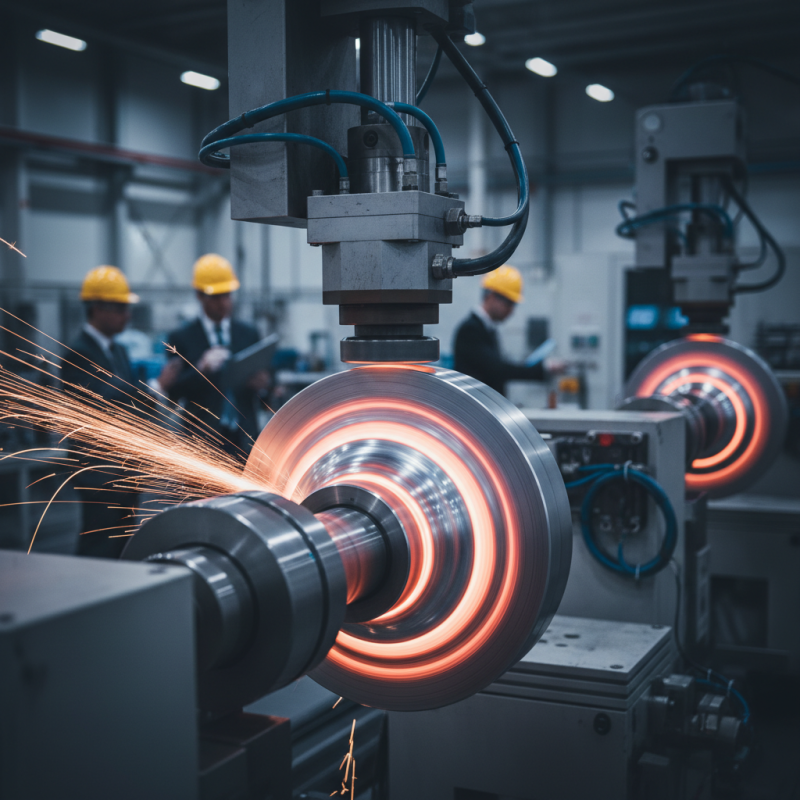
The spinning metal process is crucial in manufacturing various components. It involves shaping metal sheets into cylindrical forms without losing material. This method is effective for creating parts like automotive components and aerospace structures. Research indicates that around 70% of manufacturers prefer spinning for its efficiency.
Understanding the basics helps in mastering the process. Factors like material selection and tool design significantly impact quality. For instance, using aluminum can reduce weight while maintaining strength. Reports show that companies focusing on high-quality materials see a 30% increase in production efficiency.
Tips: Always conduct a pre-production test run to identify potential issues. Monitor the tools regularly to ensure they maintain accuracy. Compare techniques with peers to gain insights. Mistakes in the process can lead to waste, which is a problem for many manufacturers. Reflecting on previous errors often reveals better practices. Consider revising approaches if production does not meet expected standards.
How to Master the Spinning Metal Process for Effective Manufacturing?
| Dimension |
Description |
Importance |
Common Materials |
| Process Setup |
Preparation of machinery and raw materials for spinning. |
Ensures accuracy and efficiency in production. |
Aluminum, Copper |
| Spinning Speed |
Rate at which the metal is spun during the process. |
Affects material properties and finish quality. |
Steel, Titanium |
| Die Design |
Shape and design of the die used in the spinning process. |
Critical for achieving desired product shape and precision. |
Brass, Stainless Steel |
| Cooling Methods |
Techniques used to cool the metal during spinning. |
Prevents overheating and preserves material integrity. |
Aluminum, Zinc |
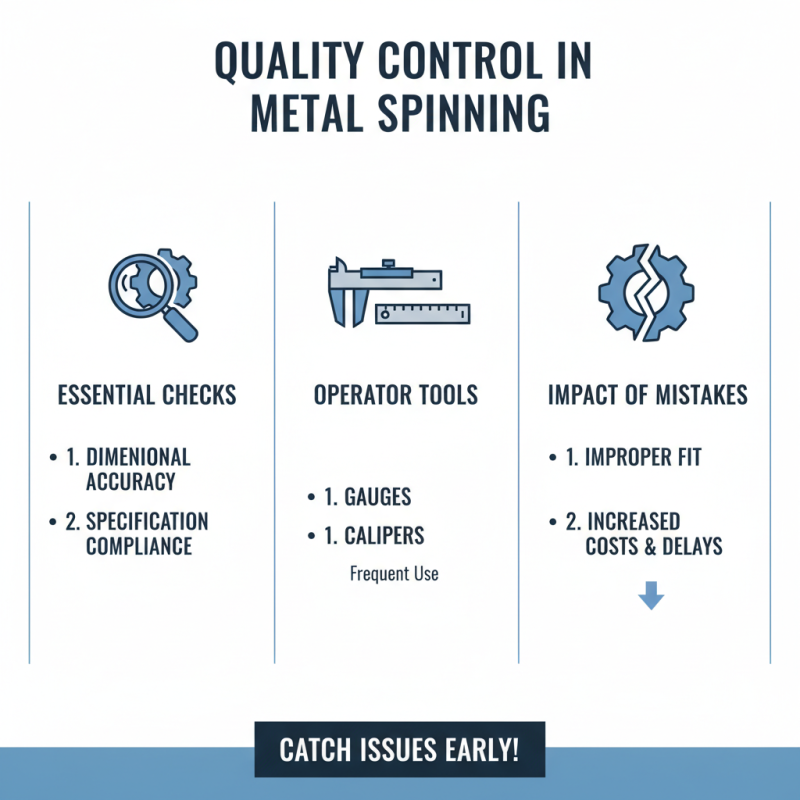
| Quality Control |
Measures and checks to ensure product meets specifications. |
Ensures reliability and customer satisfaction. |
N/A |
Essential Tools and Equipment for Spinning Metal Techniques
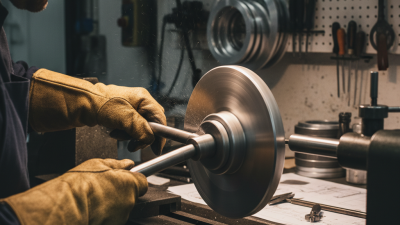
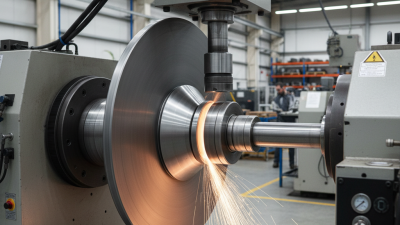
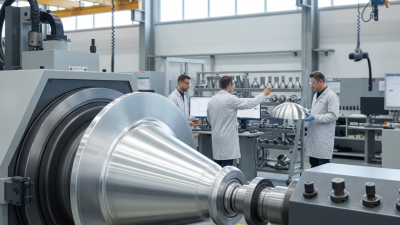
Effective metal spinning requires the right tools and equipment. Key items include a lathe, spinning tools, and a mandrel. A lathe is essential for shaping the metal. It provides precision and control. Spinning tools, such as shaped paddles and rollers, manipulate the metal as it rotates. These tools help achieve smooth, even surfaces.
Mandrels are crucial for forming shapes. They provide support and define the structure of the spun metal. The choice of mandrel material can affect the finished product. Aluminum or steel mandrels are often preferred for durability. Additionally, covering them with a soft material can prevent scratches on the metal surface.
Quality equipment is vital, but setup and technique matter too. Improper tool alignment can lead to uneven spinning. It’s important to regularly check and adjust your tools. Learning from mistakes is part of the process. Sometimes, the results may not meet expectations. Reflection on these outcomes leads to better craftsmanship over time.
Step-by-Step Guide to Setting Up a Spinning Metal Workspace
Creating a spinning metal workspace involves several key steps. Start by choosing a suitable location. Your workspace should be spacious enough for machinery and movement. Ensure it has proper ventilation. Good airflow is critical when working with metal. Dust and fumes can be harmful if not managed properly.
Next, gather the tools and equipment you need. A lathe, spindle, and tools for shaping metal are essential. Don’t forget safety gear, like gloves and goggles. Using the wrong tools can lead to mistakes and accidents. It's vital to take time to familiarize yourself with each tool. Practice using them to build confidence.
Tips: Organize your workspace. Keeping tools accessible helps maintain focus. A cluttered environment leads to distraction. Regularly clean up any metal shavings or debris. This reduces the risk of injury. Remember to check equipment frequently. Maintenance is crucial for safety and efficiency. Don't ignore small issues; they can become larger problems over time.
Common Challenges in Metal Spinning and How to Overcome Them
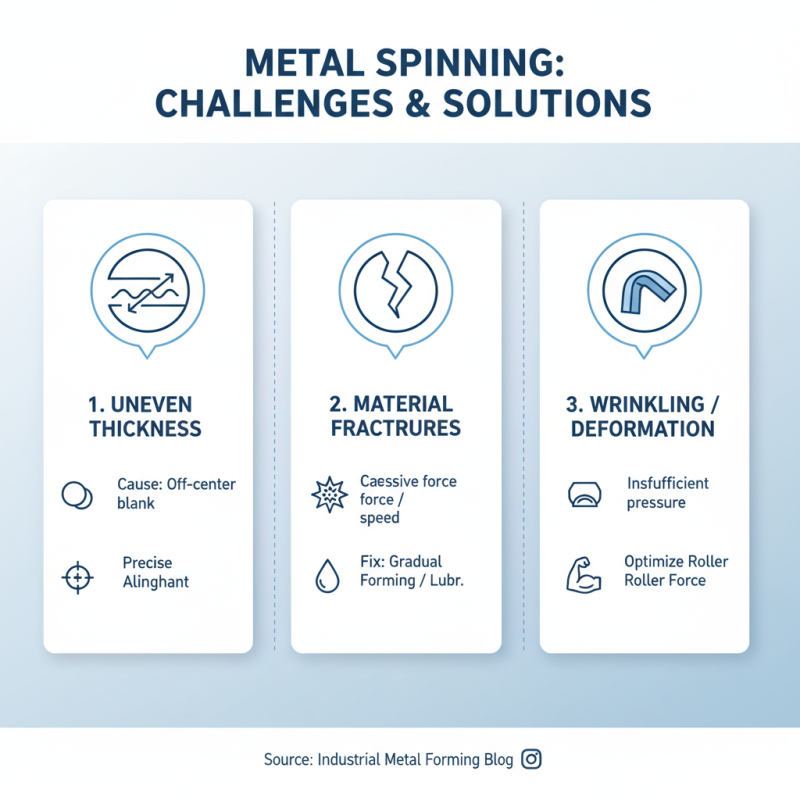
Metal spinning can be a rewarding process, yet it comes with challenges. One common issue is uneven material thickness. This often occurs if the initial blank is not centered properly. It can lead to weak spots in the finished product. Operators should ensure precise alignment before starting the machine.
Another challenge is tool wear. Spinning tools endure significant stress during the process. Over time, this wear can affect the quality of the spun part. Regular inspections and timely replacements can mitigate this problem. However, finding the right balance between tool lifespan and operational efficiency can be tricky.
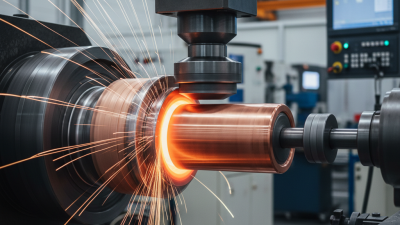
Temperature control is vital in metal spinning. If the material is too cold, it becomes brittle and harder to shape. Conversely, overheating can lead to defects. Operators must monitor temperatures closely. A slight variation can alter the entire outcome. Embracing these challenges requires constant learning and adaptation.