What is a Metal Spinning Cone and How Does it Work?
In the world of manufacturing, the "Metal Spinning Cone" holds a unique position. Experts in the industry recognize its efficiency and versatility. John Smith, a notable figure in metalworking, stated, “Metal Spinning Cones are revolutionizing how we shape materials.” This technology allows for the creation of precise and complex shapes with minimal waste.
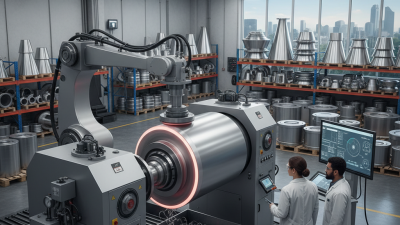
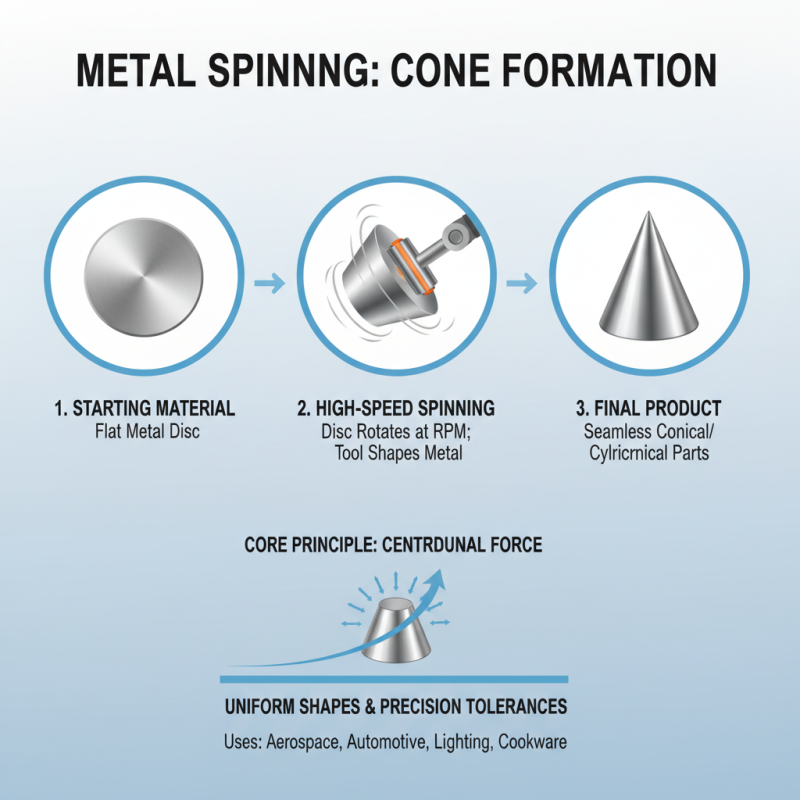
The process involves spinning a metal disc at high speeds. As it spins, a tool shapes the metal into a cone. This technique is not just cost-effective; it also results in high-quality products. However, the learning curve can be steep for newcomers. Proper calibration and technique are essential for optimal results. Mistakes made in early stages can lead to significant losses.
Many still overlook the potential of Metal Spinning Cones. Some manufacturers stick to traditional methods. They fear the initial investment and training required. Yet, embracing this technology can lead to substantial improvements. The field is evolving, and those who adapt may find themselves at the forefront of innovation.
What is a Metal Spinning Cone? Definition and Overview
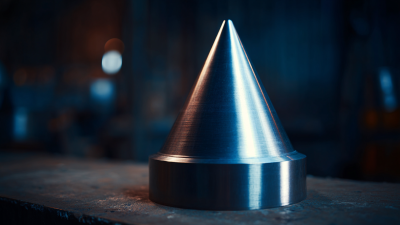
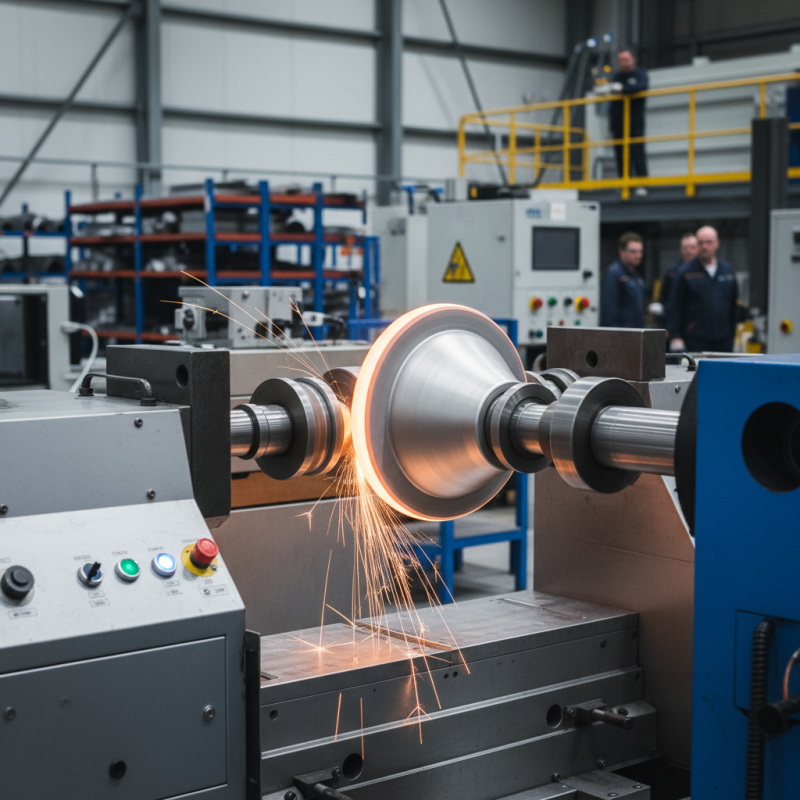
A metal spinning cone is a specialized tool used in metalworking. It shapes metal into various forms by spinning a metal disc. The spinning motion molds the material against a fixed tool, creating desired shapes. This method is efficient for producing conical parts, such as funnels or bell-shaped components.
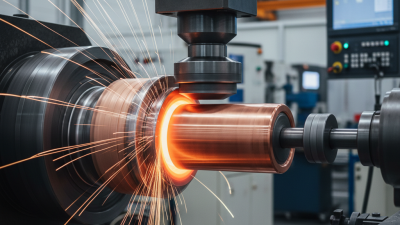
The process involves heating the metal to increase its malleability. As the metal disc spins, it is pressed against the shaping tool. The speed and pressure applied are crucial for achieving precision. Flaws can arise if the heat is insufficient or if the pressure is uneven. These mistakes can affect the final product's quality.
Metal spinning offers flexibility in design. With a variety of metals, designers can experiment with different shapes. However, challenges exist in achieving symmetry. Certain designs may not be compatible with the spinning method. Continuous practice and experimentation are essential for mastering this technique.
Historical Development of Metal Spinning Techniques and Innovations
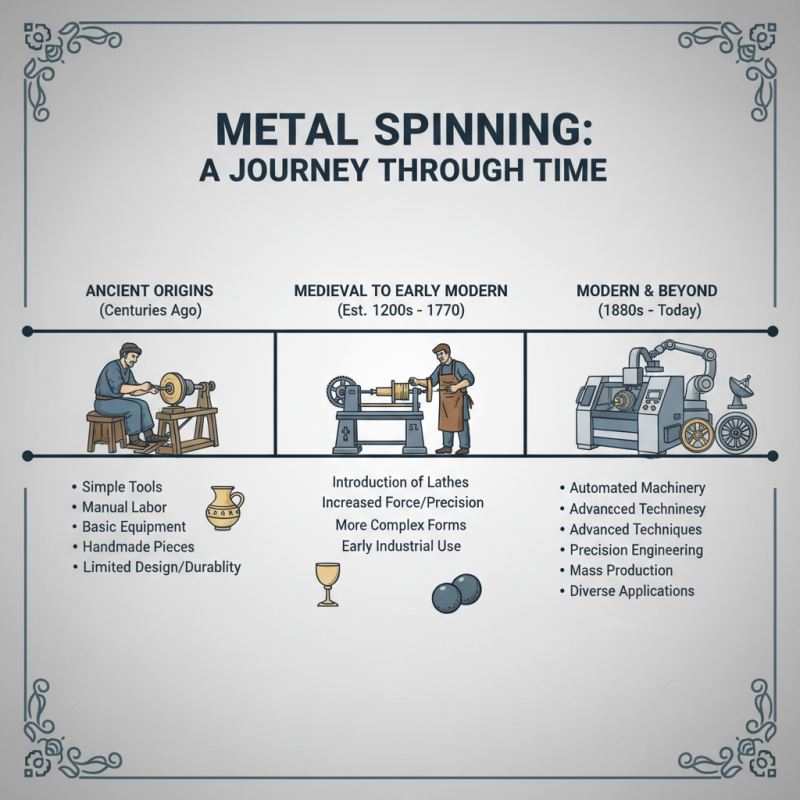
Metal spinning techniques have a rich history that dates back centuries. Originating in ancient cultures, artisans used simple tools to shape metals into useful objects. Early spinners relied on manual labor and basic equipment. The method was straightforward: a metal disk was attached to a lathe. Craftsmen would apply force while shaping the metal into desired forms. These handmade pieces were often limited in design and durability.
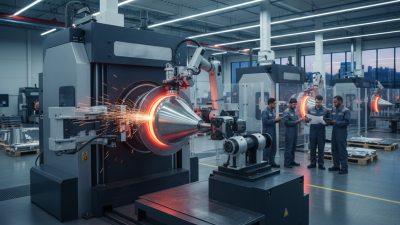
With the Industrial Revolution, metal spinning saw significant advancements. New machinery emerged, allowing for more complex designs and faster production. Innovations like computer numerical control (CNC) technology further transformed the field. This made it easier to create intricate shapes with precision. Some traditional techniques, however, became overshadowed in this rapid evolution. Today, the balance between old and new practices is often questioned. Many artisans strive to maintain traditional methods while embracing modern technology. As a result, the art of metal spinning continues to evolve, blending craftsmanship with innovation.
Principles of Operation: How Metal Spinning Cones Function
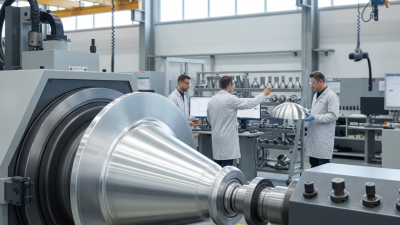
Metal spinning cones are fascinating tools used in various manufacturing processes. Their design allows them to reshape metal into conical and cylindrical forms. The core principle relies on spinning a metal disc at high speeds while forcing it into a mold. The centrifugal force created during this spinning action helps achieve precise and uniform shapes.
When a disc of metal is spun, friction plays a crucial role. The contact between the tool and the metal surface generates heat. This heat softens the metal, making it easier to shape. However, achieving the right balance is tricky. Too much heat can cause warping. Insufficient heat may lead to uneven surfaces. Each piece spun brings unique challenges that require careful adjustments.
The molds used must be sturdy and well-fitted. Any imperfections can directly affect the finish of the final product. Over time, metal spinning cones can wear down, creating inconsistencies. Regular maintenance and careful monitoring are essential to maintain quality. These machines, while efficient, demand constant attention and fine-tuning. Adapting to each new task can be a learning experience that reveals new insights about metalworking.
Materials Used in Metal Spinning: Properties and Suitability
Metal spinning is an intriguing process that transforms flat metal disks into intricate shapes. The materials chosen for this technique significantly impact the final product. Commonly used metals include aluminum, stainless steel, brass, and copper. Each material brings unique properties and is suitable for specific applications.
Aluminum is lightweight and easy to work with. It offers excellent corrosion resistance, making it ideal for various environments. Stainless steel is durable and can withstand harsh conditions. However, more energy is needed for spinning this dense material. Brass and copper provide great aesthetics and are effective for decorative parts. These materials can be challenging to spin but yield beautiful results.
Not all materials are perfect for metal spinning. Some alloys may not exhibit the desired ductility. High-strength metals can be difficult to form. This can lead to defects or uneven surfaces. A balance must be struck between strength and pliability. Ultimately, understanding the properties of each material is crucial for success in metal spinning projects. Experimentation is often necessary.
Metal Spinning Materials and Their Suitability
Applications and Industries Utilizing Metal Spinning Cones
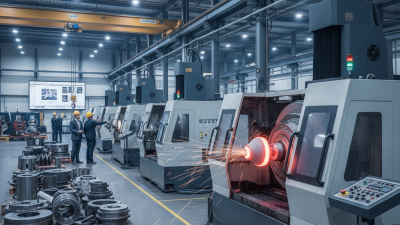
Metal spinning cones serve a variety of applications across multiple industries. They are commonly used in manufacturing processes that require precise shaping of metal. These cones are often found in automotive components, aerospace parts, and even kitchen appliances. Their unique design allows them to efficiently create complex shapes from thin sheets of metal.
In the energy sector, metal spinning cones play a crucial role. They are used to produce components for gas and wind turbines. The cones must withstand high pressures and temperatures. This presents challenges in quality control and consistency. Flaws can lead to costly failures.
Metal spinning is also essential in the decorative arts. Artists create visually stunning pieces using spun metal. The technique allows for intricate designs that might be impossible with traditional methods. Yet, achieving artistic intentions requires a high skill level. There are often moments of trial and error before the final design comes to life.
What is a Metal Spinning Cone and How Does it Work?
| Dimension |
Description |
| Material |
Aluminum, steel, copper, and various alloys |
| Process |
Using rotational force to shape metal into desired configurations |
| Applications |
Aerospace, automotive, HVAC, and decorative arts |
| Advantages |
High precision, minimized waste, cost-effective for small to medium batches |
| Industries |
Manufacturing, construction, and energy sectors |