How to Optimize Sheet Metal Machining for Better Efficiency?
Sheet metal machining is a critical process in manufacturing, affecting efficiency and production costs. According to a report by the Industry Research Council, optimizing sheet metal machining can reduce cycle times by up to 30%. This presents a significant opportunity for manufacturers looking to enhance productivity.
Expert in this field, Dr. James Harrington, states, “Improving machining processes can lead to both quality and efficiency gains.” This emphasizes that every aspect of machining should be examined. Companies often overlook maintenance and tooling standards, which can lead to inefficiencies. Addressing these issues is vital for achieving optimal results.
Furthermore, the rapid advancements in automation and technology call for adaptation. Many manufacturers struggle with integrating new techniques into existing workflows. Continuous training and development are essential, yet many firms underestimate their importance. As the demand for precision increases, a strategic approach to sheet metal machining becomes imperative for maintaining competitive advantage.
Understanding the Basics of Sheet Metal Machining Processes
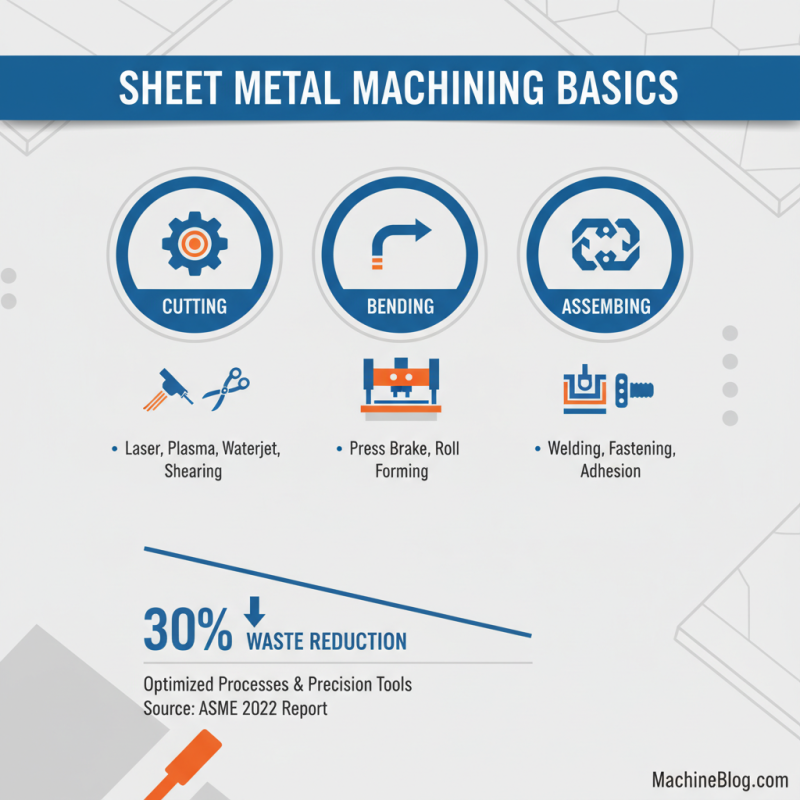
Sheet metal machining encompasses various processes, including cutting, bending, and assembling. Understanding these fundamentals is crucial for improving efficiency. A 2022 report by the American Society of Mechanical Engineers highlighted that optimized machining can reduce waste by 30%. This reduction often stems from advanced techniques and precision tools.
Machining processes require careful control of variables such as speed and feed rates. According to a 2023 study from the International Journal of Advanced Manufacturing Technology, implementing real-time monitoring systems can lead to a 20% increase in production rates. Many manufacturers, however, still struggle with integrating such technology. Employee training also plays a significant role. Inadequate training may result in errors that compromise the quality of output.
While automation promises efficiency, it introduces challenges. Dependence on machinery can lead to skill degradation among workers. The same study also noted that over-reliance on automation can reduce the ability to troubleshoot issues manually. Balancing technology and human skill is essential for long-term success. The path to optimal sheet metal machining requires constant reflection and adjustment.
Key Factors Influencing Machining Efficiency in Sheet Metal
Machining efficiency in sheet metal is crucial for productivity. Several key factors play a role in optimizing this process. Tool selection is vital. High-quality tools cut more effectively and last longer. Choosing the right type of cutting tool for specific metals can reduce wear and improve precision.
Machine setup is another significant factor. Proper alignment of the workpiece ensures even cuts. However, mistakes in this setup can lead to wasted materials and time. Regular maintenance of machinery cannot be overlooked. Well-maintained machines run smoother and are less likely to encounter issues that cause delays.
Lastly, operator skill sets the foundation. Experienced operators understand how to adjust settings based on material characteristics. Yet, there is often room for improvement in training methods. Incorporating more hands-on training can help overcome common challenges. Evaluating existing processes regularly is necessary to identify areas needing enhancement. Fine-tuning these elements can lead to substantial gains in efficiency.
Advanced Tools and Technologies for Enhanced Sheet Metal Machining
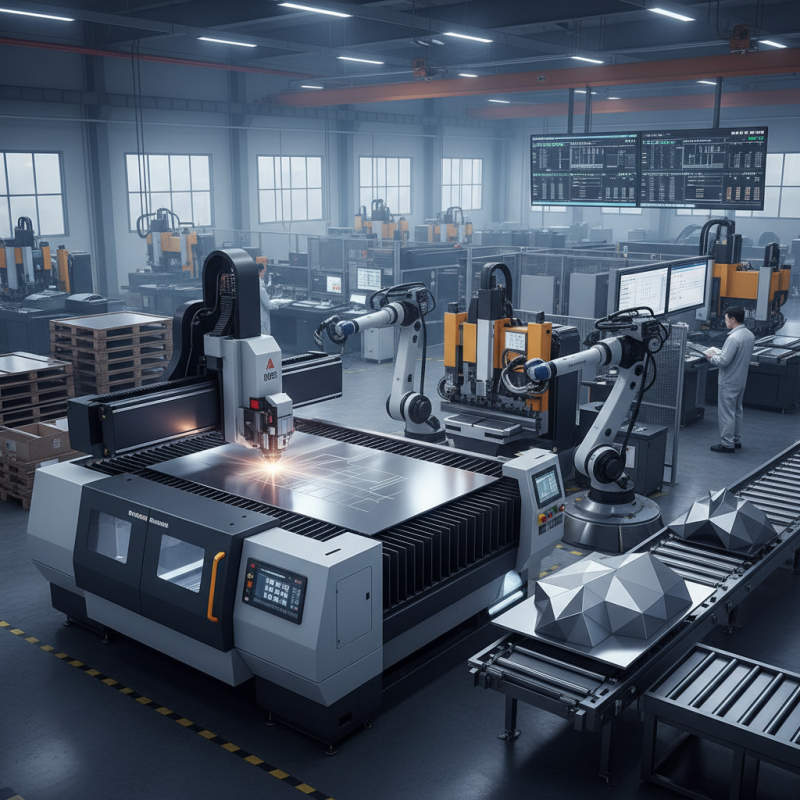
In the rapidly evolving world of manufacturing, advanced tools and technologies play a pivotal role in optimizing sheet metal machining. The integration of CNC machines provides precision that manual methods cannot match. These machines offer significant improvements in speed and accuracy, which translates to a better workflow. Moreover, automation reduces human error, ensuring consistent quality in the final product.
Laser cutting technology is another game changer. It allows for complex shapes to be cut with minimal waste. This efficiency can lead to cost reductions and better material utilization. While implementing such technology can require a hefty initial investment, the long-term savings often outweigh these costs. However, the transition can be challenging, needing careful planning and workforce training to handle new systems effectively.
Adopting these advanced methods may also bring hurdles. Not every facility has the resources for upgrading equipment. Resistance to change is common among employees who are accustomed to traditional techniques. Reflecting on these challenges is essential to successfully harness the benefits of new technologies, and judgments during the process require careful consideration. Understanding that the road to efficiency is not always smooth is crucial in mastering modern sheet metal machining.
Efficiency of Sheet Metal Machining Techniques
This chart illustrates the efficiency percentages of various sheet metal machining techniques. Laser cutting proves to be the most efficient among the methods listed, followed by water jet cutting and plasma cutting, while mechanical punching has the lowest efficiency. Optimizing these processes can lead to improved productivity in sheet metal machining.
Implementing Lean Manufacturing Principles in Sheet Metal Operations
Lean manufacturing principles can significantly enhance efficiency in sheet metal machining. By focusing on waste reduction and continuous improvement, operations can become more streamlined. Identifying value from the customer's perspective is essential. This approach helps in eliminating unnecessary processes, leading to faster turnaround times.
Tips for implementing lean principles:
- Use value stream mapping. This visual representation helps highlight inefficiencies.
- Involve all employees in improvement initiatives. Their insights can reveal hidden waste.
- Regularly assess machine performance. Small adjustments can lead to significant gains.
Consistency is key. Teams should continuously monitor their progress. Encourage an environment where feedback is welcomed. It’s important to reflect on what works and what doesn’t. Sometimes, the most efficient path is not obvious. Trial and error can lead to breakthroughs in operations.
Streamlining inventory management can also boost efficiency. Keeping just enough material on hand minimizes storage costs. However, avoid stock shortages that can halt production. Balancing these needs requires constant vigilance and adjustment. Lean tends to generate new challenges, but overcoming them helps build stronger teams and processes.
Measuring and Analyzing Efficiency Metrics in Sheet Metal Machining
Measuring efficiency metrics in sheet metal machining involves various approaches. Understanding your setup can reveal hidden inefficiencies. According to industry reports, poorly aligned machinery can lead to a 10% drop in productivity. Regularly checking equipment can mitigate this loss.
Analyzing cycle times is crucial. A study found that nearly 30% of machining time is wasted due to unoptimized processes. Implementing lean principles can help identify these areas. Visual management tools can give you instant insights into production flow. These metrics enable quick adjustments, thus enhancing efficiency.
Energy consumption is another vital metric. Inefficient machines can consume up to 20% more energy. This not only raises costs but also affects sustainability efforts. Lowering energy use can improve overall operational efficiency. Several companies report that small changes, like updated machinery settings, can lead to significant savings.