How to Optimize Tube Spinning for Maximum Efficiency?
In today's manufacturing landscape, optimizing Tube Spinning for maximum efficiency is crucial. Experts like Dr. Robert Keller, a leader in the field, emphasize that "Efficiency in tube spinning can redefine production timelines." Tube Spinning involves manipulating metal tubes into desired shapes and sizes. It requires precision and expertise to achieve the best results.
Efficiency hinges on various factors. Tooling design, material selection, and rotational speeds are just a few elements that affect production outcomes. Neglecting any of these can lead to suboptimal results. Even seasoned professionals must reflect on their processes regularly. Continuous improvement is necessary.
The challenges in Tube Spinning are numerous. Material inconsistencies can hinder progress. Operator skill levels vary, impacting overall efficiency. Companies must invest in training and equipment. Every small enhancement can lead to significant gains. By focusing on these areas, businesses will create a more effective Tube Spinning operation.
Understanding the Basics of Tube Spinning Technology
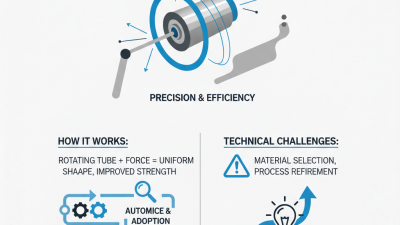
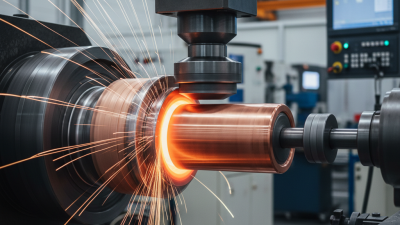
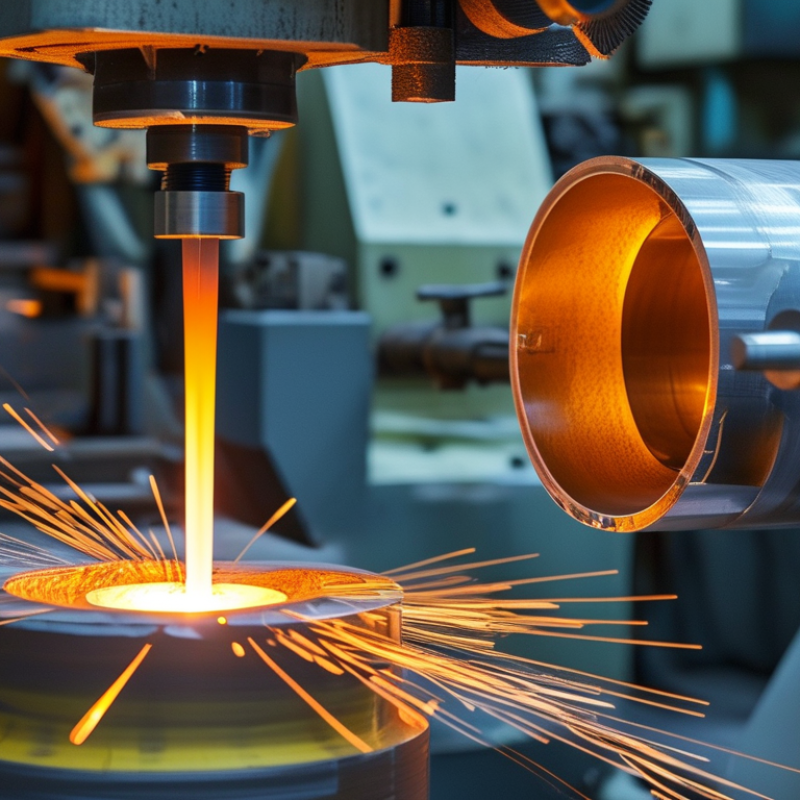
Tube spinning is a metal forming technique used to create cylindrical parts. Understanding its basics is essential for optimizing efficiency. The process involves spinning a metal tube on a lathe while applying pressure to shape it. Operators use a mandrel, which serves as a support. The right choice of tooling and machinery is crucial for achieving high precision.
The geometry of the tube significantly impacts the spinning process. Tubes with complex shapes can be more challenging to spin. Proper material selection is also important for reducing waste and improving performance. Skilled operators can avoid common pitfalls, such as uneven wall thickness. Observing the spinning speed and feed rate leads to better results.
By paying attention to these details, efficiency can be greatly enhanced. Continuous learning and adapting to new techniques are vital. Each spinning project presents unique challenges. Reflecting on past experiences fosters improvement. Embracing a mindset focused on refinement will lead to greater achievements in tube spinning technology.
Identifying Key Factors Affecting Tube Spinning Efficiency
Tube spinning is a complex manufacturing process with various factors influencing efficiency. Understanding these factors is crucial for optimizing production. Key elements include material selection, tooling design, and machine parameters. Research indicates that the choice of material can affect the flow properties during spinning. For example, metals with high ductility typically result in better formability, allowing for a smoother spinning process.
Tooling design plays a significant role in efficiency. According to industry reports, improper tooling can lead to increased operational costs. Tools must maintain precise tolerances. Wear and tear on tools can cause defects in the finished product. Monitoring tool conditions regularly can mitigate these issues. Furthermore, machine parameters like spindle speed and feed rate should be optimized based on materials and desired outcomes. A recent study noted that adjusting the spindle speed can enhance surface finish quality by up to 35%, highlighting its impact on efficiency.
Operators also play a vital role. Their experience and skills significantly influence the process. Continuous training helps in recognizing potential issues early. However, human errors can still occur. It's essential to have checks in place to catch mistakes swiftly. Gathering data and feedback can help refine the spinning process, leading to improved efficiency over time. Each step in optimizing tube spinning offers a chance for growth, emphasizing the need for ongoing evaluation and adjustments.
Tube Spinning Efficiency Analysis
Techniques for Improving Material Flow During Tube Spinning
In tube spinning, efficient material flow is critical. Achieving optimal results requires understanding the interaction between the material and the tools. One effective technique is to adjust the feed rate of the tube. A slow feed can lead to increased material wear, while too fast may cause deformation. Finding a balance is essential for quality output.
Another method involves using lubrication. Proper lubrication reduces friction between the tube and the spinning tools. This can enhance the material flow and prolong tool life. However, excessive lubrication might cause slippage, reducing precision. Workers must monitor and adjust lubricant application closely.
Temperature control during the spinning process also plays a crucial role. Using heat can improve material ductility, making it easier to shape. However, overheating can damage the material. Workers need to experiment to find the perfect temperature for their specific setup. Continuous learning and adaptation to various conditions are vital in the pursuit of maximum efficiency.
Implementing Effective Tooling and Machinery for Tube Spinning
Optimizing tube spinning relies heavily on the right tooling and machinery. Selecting the appropriate tools can significantly affect the overall production process. Quality tooling reduces waste and improves precision. This leads to better finished products. However, it is essential to find a balance. Overly complex tools can complicate operations and lead to downtime.
Another critical aspect is machine selection. Each machine comes with unique capabilities and limitations. A thorough analysis of your production needs will guide equipment choices. Using more advanced machines may enhance efficiency but can require greater investments. It's crucial to weigh these costs against potential benefits. Regular maintenance of machinery is also vital. Neglected equipment may lead to performance drops.
It's easy to overlook tooling adjustments. Small changes can lead to significant improvements or issues. Operators should be trained to notice these nuances. Feedback loops from the production team provide insight into potential tooling and machinery enhancements. Documenting these observations helps pinpoint areas for improvement. Balancing innovation with practical adjustments can lead to real gains in efficiency.
How to Optimize Tube Spinning for Maximum Efficiency?
| Parameter |
Value |
Impact on Efficiency |
| Tube Material |
Aluminum |
High lightweight, lower energy consumption |
| Spinning Speed |
300 RPM |
Optimized cycle times, reduces tool wear |
| Tooling Material |
Carbide |
Increases longevity and precision |
| Lubrication Method |
Water-based |
Reduces friction, improves finish quality |
| Machine Type |
CNC Controlled |
Enhanced precision and repeatability |
| Cycle Time |
2 minutes per piece |
Directly affects production rate |
Measuring and Analyzing Performance Metrics in Tube Spinning Processes
Measuring and analyzing performance metrics in tube spinning processes is essential for achieving maximum efficiency. The effectiveness of tube spinning relies heavily on accurate data collection. Key performance indicators (KPIs) such as cycle time, defect rates, and material waste should be monitored closely. Regular analysis of these metrics can highlight areas for improvement.
To enhance efficiency, consider implementing automated data collection systems. These systems can minimize human error and provide real-time insights. Additionally, using sensors to monitor temperature and pressure during the process can lead to better quality control. A deeper understanding of these parameters helps in identifying trends and preventing defects early.
It's crucial to reflect on the processes regularly. Are the current metrics providing useful insights? If not, adjustments to the data collection methods may be necessary. Engaging the team in discussions about efficiency challenges can reveal overlooked issues. Collaboration often leads to innovative solutions and a culture of continuous improvement.
**Tips:**
1. Keep your workspace organized to minimize delays.
2. Regularly train your team on the latest techniques.
3. Encourage feedback to identify hidden inefficiencies.