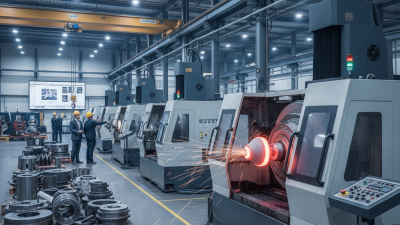
The Spinning Metal Process has gained attention in metal fabrication. This technique involves reshaping metal using high-speed rotational forces. "This process offers precision and efficiency like no other," says John Smith, an expert in metal manufacturing.
Many industries benefit from this method. It allows for the creation of complex shapes that are lightweight yet strong. Products made using the Spinning Metal Process often have a superior finish and require less post-processing. However, it’s essential to understand the limitations as well. Not every metal or design is suitable for spinning.
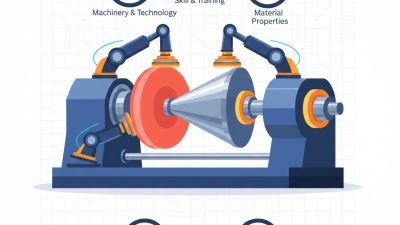
Investors should weigh the advantages against potential challenges. The process can require specific machinery and skilled operators. The learning curve might be steep, but the rewards can justify the investment. Exploring the Spinning Metal Process can lead to innovations in product design and manufacturing efficiency.
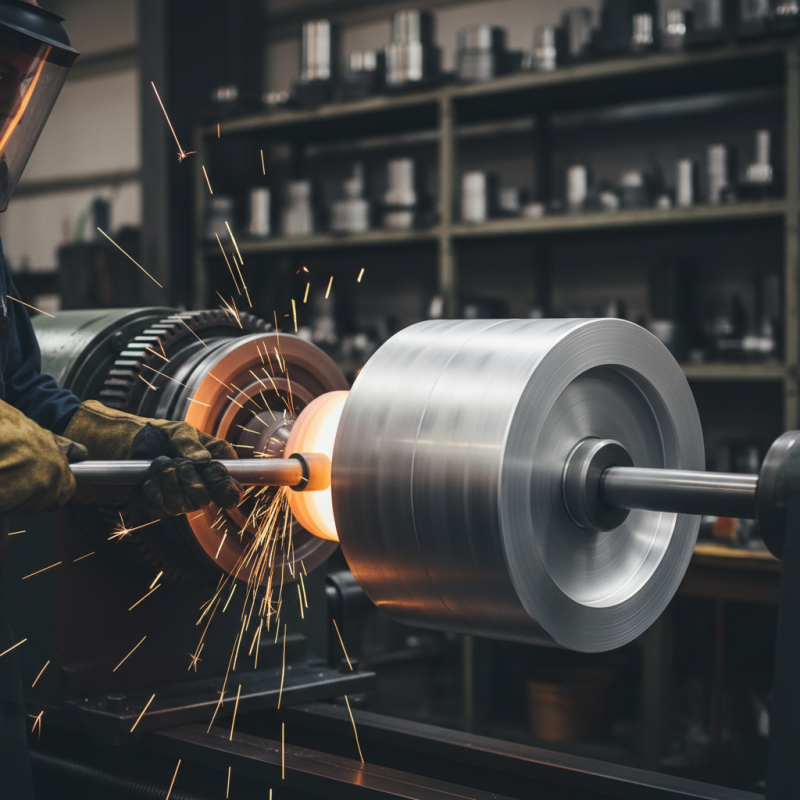
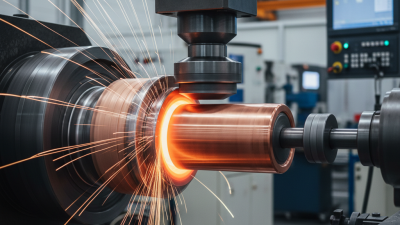
The spinning metal process is a fascinating technique that shapes metal into various forms. It involves rotating a metal disc or tube at high speeds while a tool shapes the material. This method allows for precise control over the thickness and shape of the metal. Applications range from manufacturing components in the automotive industry to crafting ornamental pieces in art and design.
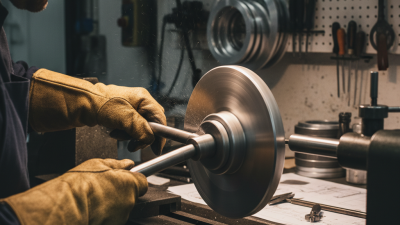
One notable application is in creating lightweight, strong parts for machinery. Producers often utilize spinning to achieve uniform thickness, which enhances the final product's durability. However, experience shows that achieving perfect symmetry in the spun piece can be challenging. Operators must constantly monitor the process for any deviations. Despite technological advancements, the human touch remains vital in ensuring quality. The learning curve can be steep, and mistakes are not uncommon.
This method offers buyers significant benefits, including cost-effective production and material efficiency. When done correctly, it minimizes waste, making it an attractive option for environmentally conscious buyers. Yet, attention to detail is crucial. Even minor oversights can lead to structural weaknesses. Therefore, expertise in the process becomes essential for achieving the desired results.
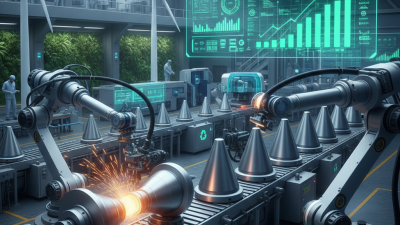
The Spinning Metal Process is gaining traction in various industries. This technique primarily utilizes metal materials such as aluminum, copper, and stainless steel. Each material has distinct properties that cater to different applications. For example, aluminum is lightweight and corrosion-resistant, making it suitable for automotive and aerospace sectors. According to a recent report by the Metal Manufacturers Association, aluminum spinning market segments are expected to grow by over 15% in the next few years.
Copper is another critical material in the spinning process. Its excellent electrical conductivity makes it a preferred choice in the electronics industry. The Global Copper Alliance highlights that the demand for spun copper components is increasing due to the rise in electric vehicle production. The versatility and durability of stainless steel also make it a significant player, especially in the food and beverage industry, where sanitation is paramount.
While the advantages of these materials are clear, challenges remain. Sourcing high-quality raw materials can be difficult. Additionally, the spinning process itself requires skilled labor. These factors can impact production timelines and costs, necessitating careful consideration by buyers. Adapting to such challenges is essential for businesses looking to optimize their use of the spinning metal process.
| Material | Description | Benefits for Buyers | Typical Applications |
|---|---|---|---|
| Aluminum | Lightweight metal with good corrosion resistance. | Cost-effective, easy to work with, and recyclable. | Automotive parts, aerospace components, consumer goods. |
| Copper | Excellent electrical and thermal conductivity. | Offers high performance in electrical applications. | Electrical wiring, plumbing fittings, heat exchangers. |
| Brass | Alloy of copper and zinc known for its machinability. | Good durability and aesthetic appeal. | Musical instruments, fittings, and decorative items. |
| Stainless Steel | Corrosion-resistant steel alloy with high strength. | Long-lasting and low maintenance. | Kitchenware, medical instruments, and industrial equipment. |
| Titanium | Lightweight and high-strength metal with excellent corrosion resistance. | Offers superior performance in extreme environments. | Aerospace components, medical implants, and high-end sports equipment. |
The spinning metal process is a transformative technique widely recognized in manufacturing. This method involves shaping metal by rotating it against a stationary tool. The process starts with selecting the appropriate metal stock. Common choices include aluminum and copper due to their malleability. Industry reports indicate that the global metal spinning market is expected to grow significantly, driven by increased demand for precision components.
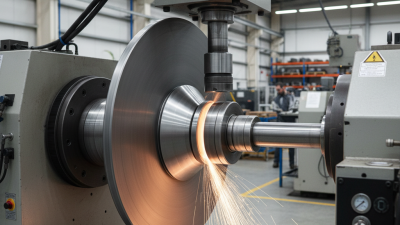
Once the metal is chosen, it is mounted onto a lathe machine. The machine spins the metal while a tool shapes it into the desired form. This method requires skill to ensure accuracy and consistency. According to industry experts, a tolerance level of just a few thousandths of an inch can be achieved, making this process ideal for applications in aerospace and automotive sectors.
After spinning, the piece undergoes finishing processes. This may include machining or polishing to enhance its characteristics. While the spinning process is efficient, manual adjustments can sometimes lead to imperfections. Continuous training for operators is essential to minimize these errors and maintain quality. Overall, the spinning metal process offers a reliable solution for manufacturers looking to produce high-quality components with reduced waste.
The spinning metal process has gained traction in various industries due to its unique benefits. This technique involves shaping metal into desired forms by rotating it at high speeds. One significant advantage is the enhanced material properties achieved during production. Studies indicate that parts produced through metal spinning can exhibit improved tensile strength and fatigue resistance, vital for industries such as aerospace and automotive.
Furthermore, the process reduces material waste, making it cost-effective. Reports suggest that spinning can minimize waste by up to 30% compared to traditional machining methods. This reduction not only saves money but also supports sustainability initiatives. For buyers, these benefits translate into lower costs and high-quality parts. Spinning offers versatility. It accommodates diverse materials, including aluminum, brass, and stainless steel.
However, challenges exist. Spinning requires skilled labor, which can be a barrier for some businesses. Moreover, the initial setup for production can be time-consuming. Buyers must also consider the technical limitations regarding geometrical complexity. Despite these challenges, the advantages often outweigh the drawbacks, making spinning an appealing choice for many industries.
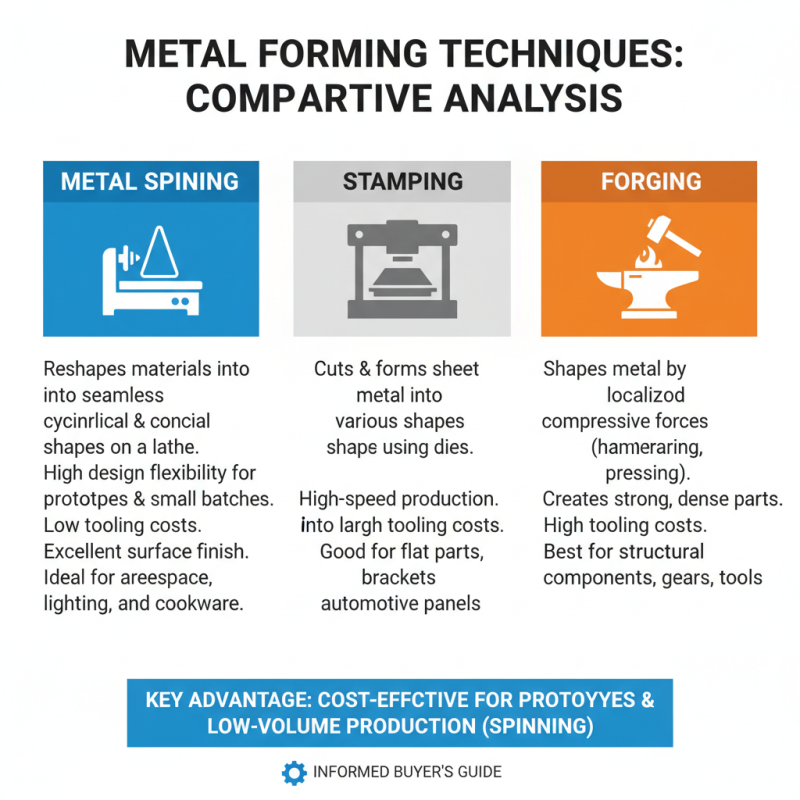
Spinning metal is a unique forming technique that reshapes materials into cylindrical shapes using a lathe. It stands out among processes like stamping and forging. Understanding its advantages helps buyers make informed decisions.
One key benefit of the spinning metal process is its flexibility. It can handle a variety of materials, like aluminum and copper, with ease. The process is efficient for low to medium production runs. Other techniques may require heavy machinery, making them less accessible for smaller projects. Spinning allows for intricate shapes with a smooth finish, often eliminating the need for additional machining.
**Tips:** When considering spinning, evaluate your project’s specific requirements. Assess material types and desired shapes. Consult with experts to determine the best approach. Remember, the intricacy of the design may impact cost and time. Balancing these elements is crucial for a successful outcome. Strive for clarity in your requirements to avoid misunderstandings later on.