How to Successfully Source Large Diameter Metal Spinning?
In the realm of manufacturing, "Large Diameter Metal Spinning" stands as a pivotal technique. Experts in this field highlight its significance for industries requiring robust components. James Thompson, a renowned engineer with over 20 years of experience, once stated, "Success in large diameter metal spinning lies in understanding both the materials and the process." His insights emphasize the importance of proficiency in sourcing materials.
Sourcing for large diameter metal spinning can be a challenging task. Precision is crucial, as the quality of materials directly impacts the final product. Engaging with reliable suppliers is essential to ensure the integrity of the metals used. Sometimes, the right material may not be readily available. This scarcity can lead to delays and complications in production, forcing manufacturers to rethink their sourcing strategies.
The landscape of large diameter metal spinning is constantly evolving. With the advancement of technology, new materials and methods are emerging. However, manufacturers must remain cautious. Innovation brings opportunity, but also complexity. Maintaining quality while exploring these advancements is a delicate balance. Continuous learning and adaptation in sourcing practices are vital for success in this competitive industry.
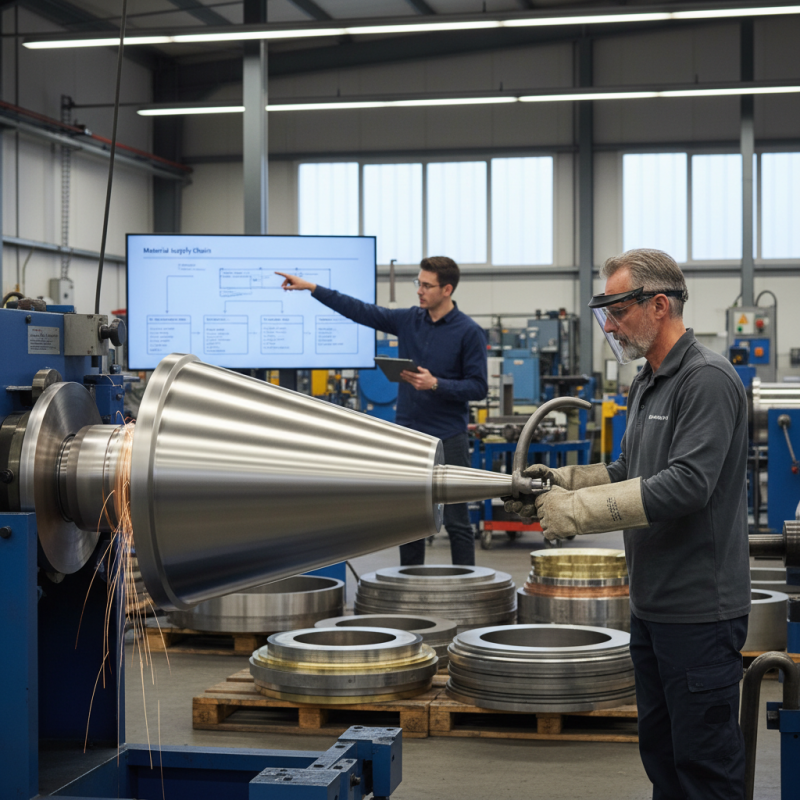
Understanding Large Diameter Metal Spinning: An Overview
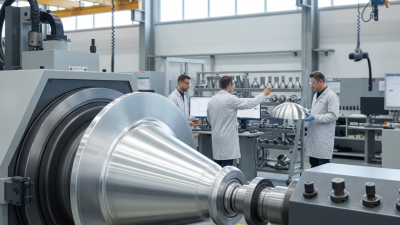
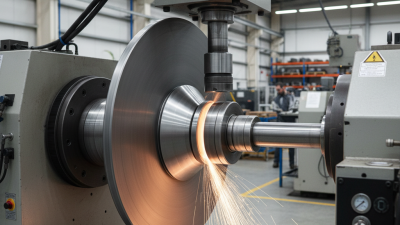
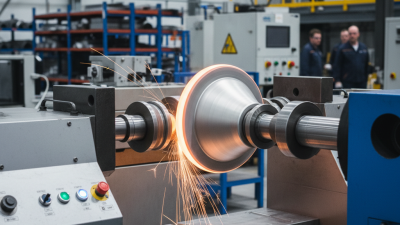
Large diameter metal spinning is a fascinating process that transforms flat metal discs into complex shapes. This technique finds applications in various industries, including aerospace and automotive. The machinery used in spinning is specialized and often requires skilled operators who understand the nuances of the process.
Understanding the intricacies of large diameter metal spinning involves knowing material properties. Different metals respond uniquely to the spinning process. For instance, some materials stretch easily, while others may crack under pressure. This variability requires careful selection and preparation. Operators need to monitor factors like temperature and speed closely. Any oversight can lead to defects in the final product.
Moreover, sourcing large diameter metal spinning can pose challenges. Identifying capable suppliers is not always straightforward. Potential partners may promise quality but underdeliver. Research and due diligence are crucial to ensure reliability. Understanding industry standards is also helpful. This knowledge empowers companies to make informed decisions that lead to successful partnerships.
How to Successfully Source Large Diameter Metal Spinning
This chart displays the average sourcing times for various large diameter metal spinning processes measured in days. The data helps understand the efficiency of sourcing practices in the industry.
Key Materials Used in Large Diameter Metal Spinning
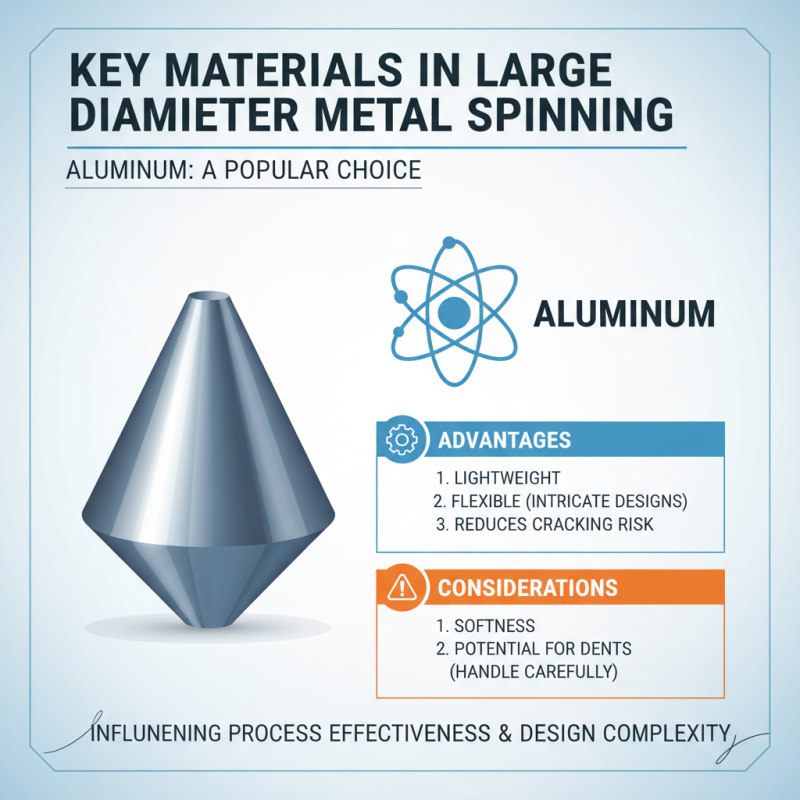
Large diameter metal spinning relies on various key materials that greatly influence the process's effectiveness. Aluminum is a popular choice, known for its lightweight and flexibility. This metal allows for intricate designs and reduces the risk of cracking during production. However, its softness may lead to dents if not handled carefully.
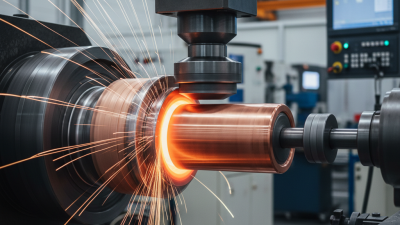
Stainless steel is another significant option. It offers high strength and corrosion resistance, suitable for demanding applications. Metal spinners often find it challenging to manipulate due to its rigidity, requiring precise techniques. Copper is valued as well, especially for its excellent thermal conductivity. However, working with copper demands greater skill, as it can deform easily if overheated.
Selecting the right material is crucial, but it is not always straightforward. Each material presents unique challenges that must be navigated. For example, while aluminum is easy to shape, it may require additional steps to ensure a smooth finish. On the other hand, stainless steel may necessitate more robust equipment, increasing production costs. When choosing materials, makers must weigh these factors against their project goals.
Essential Equipment and Tools for Metal Spinning
When it comes to large diameter metal spinning, the right equipment and tools are essential. Spinning large metal pieces requires robust machinery and precise tools. The metal spinning lathe is a fundamental piece of equipment. It needs to be powerful enough to handle heavy loads and maintain speed stability. Reports indicate that companies investing in high-quality lathes improve efficiency by 25%, significantly increasing production rates.
In addition to lathes, tooling is crucial. Tools must be durable and suited for various metal materials. Specialized spinning tools, like form tools, ensure accurate shaping and finishing. Using the right materials for tools can decrease wear and prolong service life. Data shows that tool maintenance can reduce replacement costs by up to 30%.
Tips: Regularly inspect lathes and tools for wear and damage. Maintain a clean workspace to avoid contamination. Quick repairs can save time. Sometimes, the cheapest option isn’t the best in the long run. Investing in quality equipment can pay off through consistent output and reduced downtime. Remember, continuous learning and adaptation are key in this evolving industry.
Techniques for Effective Sourcing in Metal Spinning Projects
Sourcing large diameter metal spinning projects requires careful planning and execution. Effective sourcing hinges on understanding supplier capabilities. Look for manufacturers with a strong track record in metal spinning. Their experience often translates to higher quality and better precision. Regular communication with potential suppliers can reveal their expertise and operational limitations.
Another key technique is to assess the tooling and technology used by suppliers. High-quality materials and advanced machinery impact the final product. Ensure that the supplier can handle the specific dimensions required for your project. Visit their facility if possible. Observing their processes can provide insights into their reliability.
Pricing is important but should not be the sole focus. Sometimes a lower price indicates potential compromises in quality. Be wary of suppliers who cannot provide detailed cost breakdowns. This lack of transparency can lead to future problems. Always consider supplier reputation and client reviews alongside pricing. Quality and communication are often more critical than cost alone.
How to Successfully Source Large Diameter Metal Spinning? - Techniques for Effective Sourcing in Metal Spinning Projects
| Sourcing Technique |
Description |
Benefits |
Considerations |
| Supplier Evaluation |
Assessing suppliers based on their capabilities and quality. |
Ensures the supplier can meet the project requirements. |
Need to establish clear evaluation criteria. |
| Cost Analysis |
Analyzing the total cost of sourcing including materials and labor. |
Helps in budgeting and cost control. |
Requires detailed breakdown of all costs. |
| Prototype Testing |
Creating and testing prototypes before large scale production. |
Identifies potential issues early in the process. |
Can prolong the timeline before full-scale production. |
| Material Selection |
Choosing the right materials for durability and performance. |
Improves product quality and lifespan. |
Must consider material costs and availability. |
| Continuous Communication |
Maintaining regular dialogue with all stakeholders involved. |
Ensures transparency and aligns project objectives. |
Requires effective communication tools and strategies. |
Quality Control and Standards in Large Diameter Metal Spinning
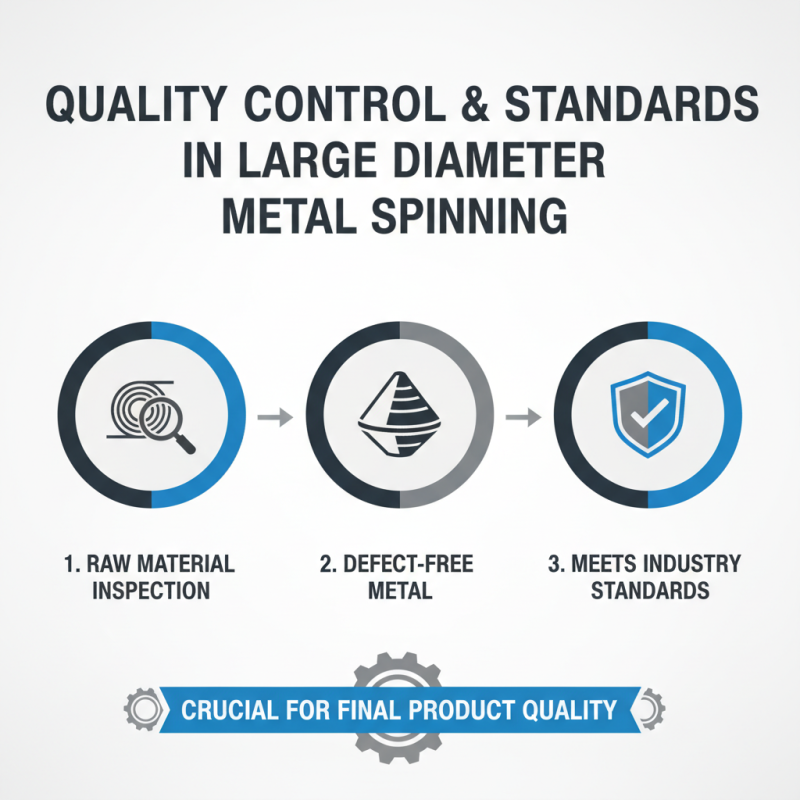
Quality control in large diameter metal spinning is crucial. It ensures that the final products meet industry standards. Inspecting raw materials is the first step. For example, the metal should be free from defects. Scratches or impurities can affect the spinning process.
During production, monitoring is vital. Regular checks help prevent defects from multiplying. Operators should be trained to spot irregularities. Simple visual inspections can reveal issues. Taking proactive steps reduces the risk of costly mistakes.
After production, thorough testing is necessary. Dimensional accuracy is one aspect to focus on. Measurements need to be precise, often within fractions of a millimeter. Additionally, surface finish is essential for aesthetics and performance. Small flaws can lead to dissatisfaction. Feedback loops with clients can guide improvements, reflecting a commitment to quality.