Top Tips for Choosing the Right Head Flanging Machine?
Choosing the right Head Flanging Machine is crucial for manufacturing excellence. According to a recent report by the International Machine Tool Association, improper machine selection can lead to a 25% increase in production costs. Industry expert John McAllister highlights the importance of this decision: “The right Head Flanging Machine can enhance efficiency and reduce waste.”
Selecting a Head Flanging Machine involves considering various factors. These include material compatibility, flange size, and production speed. Matching these factors to your specific needs is vital. Many companies overlook the need for a machine that can adapt to future projects, leading to regret down the line.
It's essential to prioritize reliability and technical support when making your choice. A robust warranty can prevent unexpected costs. Remember, investing in the right Head Flanging Machine is not just a purchase; it's a strategic choice for long-term success.
Understanding Head Flanging Machines: An Overview of Types and Applications
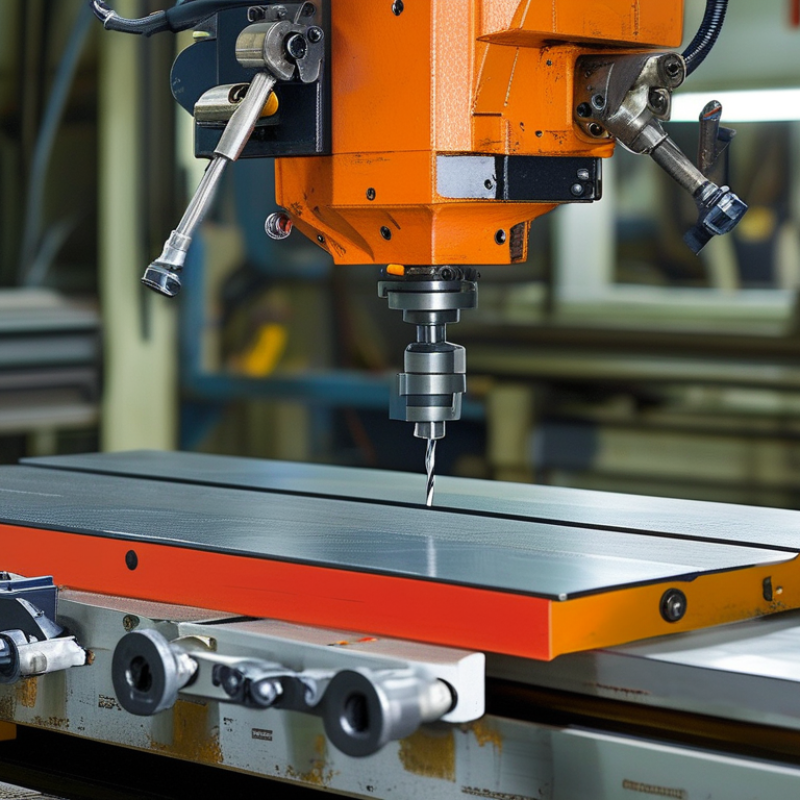
Choosing the right head flanging machine involves understanding the various types and their applications. Head flanging machines are essential in manufacturing industries, particularly for creating flanged ends on pipes and vessels. These machines come in different configurations, including automated, manual, and semi-automated versions. Each type serves specific purposes based on production requirements.
When selecting a machine, consider the material you will be working with. Steel, aluminum, and other metals have different deformation properties. A wrong choice might lead to inefficient production and subpar quality. Additionally, assess the machine's capacity to handle the thickness of the materials you intend to use. This factor is crucial for operational efficiency.
Another aspect to think about is the intended application. Different industries may have unique flanging requirements. For instance, oil and gas sectors demand high precision. A machine that meets these demands will save time and reduce waste. Remember to evaluate the ease of operation and maintenance as well, as a complex machine can hinder productivity. Flanging machines can be an investment, so ensure you choose wisely based on your operational needs.
Key Factors to Consider When Selecting a Head Flanging Machine
When selecting a head flanging machine, it is crucial to consider several key factors that significantly impact efficiency and quality. The machine's construction materials play a vital role. A heavy-duty casing often results in greater stability during operation. According to industry reports, machines with robust frameworks can reduce vibrations, enhancing precision in flanging processes.
Another important factor is tooling compatibility. A machine must be able to accommodate various tooling options for different projects. Flexibility in tooling can lead to increased efficiency within production lines. Research shows that 70% of manufacturers prefer machines that offer adaptable tooling setups for different flange sizes.
Lastly, consider the machine's power and speed capabilities. High-speed machines can improve throughput, but they may also present challenges in maintaining precision. Some reports indicate a 15% increase in error rates when operating at maximum speed without the right operator training. Operators must assess their production needs carefully and be aware of the potential drawbacks of high-speed operations. Balancing speed and accuracy is key in choosing the right machine for specific manufacturing requirements.
Top Tips for Choosing the Right Head Flanging Machine
| Factor |
Description |
Importance Level |
| Material Compatibility |
Ensure the machine can handle the materials you will be working with, such as aluminum, steel, or copper. |
High |
| Flanging Thickness Range |
Check the thickness range for the flanges the machine can produce. |
Medium |
| Production Speed |
Evaluate the machine’s speed to meet your production requirements. |
High |
| Ease of Use |
Ensure the machine has intuitive controls and is easy to operate. |
Medium |
| Maintenance Requirements |
Consider the ease of maintenance and availability of replacement parts. |
High |
| Size and Footprint |
Assess the machine's dimensions to ensure it fits your workspace. |
Medium |
| Budget |
Determine your budget and find machines that offer good value for the features required. |
High |
Evaluating Machine Specifications: Speed, Pressure, and Size Requirements
Choosing the right head flanging machine is crucial for efficiency. Evaluating machine specifications can make or break your production line. Key factors include speed, pressure, and size. A machine that operates at higher speeds boosts productivity. Reports indicate that machines exceeding 100 RPM can nearly double output.
Pressure settings also affect quality. Ideally, a machine should maintain consistent pressure. Data shows that fluctuations can lead to poor flanging results. An appropriate range is generally between 10,000 to 25,000 PSI for most applications. It’s important to consider how these specifications interact with the materials you’re using.
Size requirements are often overlooked. A machine too large or small can hinder operations. Assess your workspace before purchasing. Remember, even the best machines have limits. Understanding these specifications can lead to better decision-making. Regular maintenance is vital, as neglect can affect performance over time.
Industry Standards and Compliance: Ensuring Quality and Safety in Flanging
When selecting a head flanging machine, industry standards and compliance play a critical role. Ensuring safety and quality is essential, as machining errors can lead to significant consequences. Compliance with established safety regulations protects both operators and the final product. Regular inspections and audits of flanging machines help uphold these standards.
Here are some tips to consider. Always check for certifications like ISO or CE. These signify that the machine meets certain safety and performance criteria. It's also smart to review user feedback on the device's reliability. A well-reviewed machine often indicates a higher level of quality control.
Don't overlook the importance of training for operators. Proper training ensures they understand the machine's capabilities and safety features. This can reduce the risk of accidents and enhance production efficiency. Investing in quality training can lead to long-term benefits in workflow and safety.
Cost-Benefit Analysis: Investing in the Right Flanging Technology for Your Needs
When investing in flanging technology, consider the long-term benefits. Evaluate how different machines meet your production demands. A higher initial cost may lead to increased efficiency. This often results in significant savings over time.
Examine the features that enhance usability. Automation can streamline operations but may come with a higher price tag.
Analyze the materials and sizes you'll work with. Some machines are better suited for specific tasks. Proper selection can minimize waste and improve quality. Also, factor in maintenance costs. A cheaper machine might need repairs sooner. This adds to your expenses.
Seek expert advice when choosing a machine. Sometimes, you may overlook crucial aspects during decision-making. Consult with peers in the industry to gauge their experiences. This can uncover insights about reliability and durability.
Reflect on past investments and the lessons learned. What worked well? What didn’t? Understanding these factors is key to making an informed decision.