Top 5 Tips for Choosing the Right Fan Flanging Machine?
Choosing the right Fan Flanging Machine is crucial for manufacturing efficiency. The global market for such machines is projected to grow significantly. According to a recent industry report, the demand for flanging machines is expected to rise by over 10% annually. This rise is due to increased automation and the need for precision in production.
Selecting the best machine can be challenging. Many factors influence performance and longevity. A poorly chosen flanging machine can lead to increased costs and production delays. Manufacturers often overlook vital features, resulting in inadequate performance. Incorrect choices can have long-term consequences for production lines.
Understanding the intricacies of Fan Flanging Machines can enhance your operational efficiency. Focusing on key specifications can save time and improve production quality. Prioritizing reliability, technology, and compatibility with existing systems is essential. Investing in the right machine can yield significant returns, but the selection process must be informed and strategic.
Understanding the Importance of Fan Flanging Machines in Manufacturing
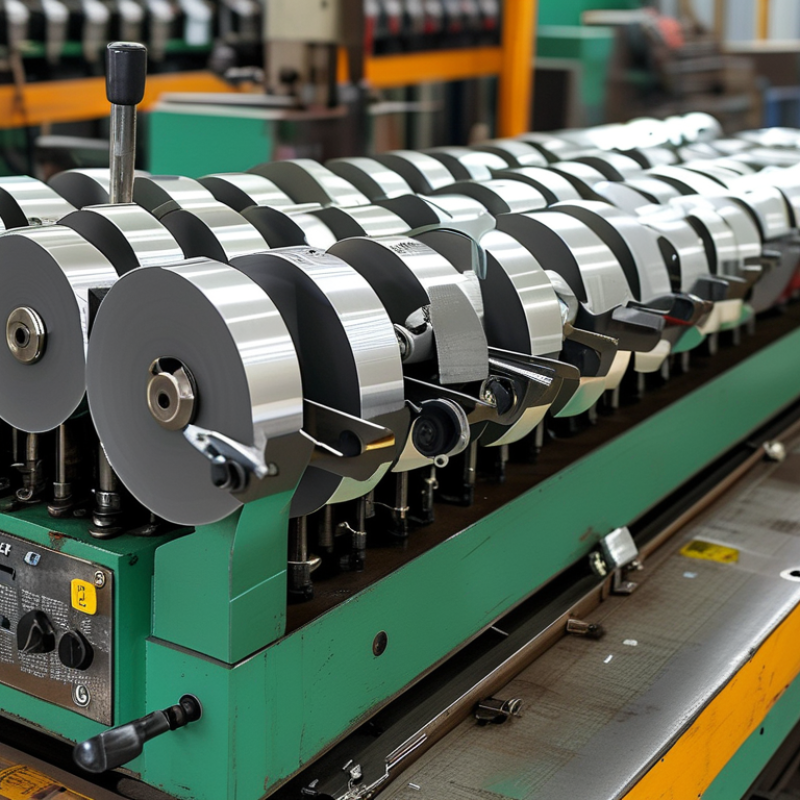
Fan flanging machines are crucial in manufacturing. They create flanges that connect different components securely. These machines ensure that fans and motors function efficiently. A proper flange is vital for reducing vibration and enhancing durability. When machines fail to produce accurate flanges, it can lead to costly repairs and downtime.
Selecting the right fan flanging machine involves understanding specific manufacturing needs. Machines vary in capabilities. Consider materials, sizes, and production rates. Limited flexibility can hinder operations, leading to inefficiencies. It's essential to assess whether a machine can adapt to evolving production demands. The initial investment may seem high, but poor quality can result in greater long-term costs.
Moreover, operational expertise is often overlooked. A skilled operator can optimize machine use. Regular training sessions are beneficial. A machine may not deliver its best performance due to lack of expertise. Sometimes, seeking feedback on performance can reveal areas needing improvement. Balancing machine capabilities with operator proficiency is critical for success.
Key Features to Consider When Selecting a Flanging Machine
When selecting a flanging machine, focus on key features that enhance efficiency. The machine's capacity should match your production needs. A high-speed model may be essential for large-scale operations. Consider the flanging thickness range. This directly impacts the types of projects you can tackle. Flexibility is vital; a versatile machine can handle various materials, making it indispensable.
Precision is another crucial factor. Look for machines with advanced control systems. These systems improve accuracy, reducing material waste. Do not overlook ease of use. A user-friendly design minimizes training time and increases productivity. Maintenance requirements matter, too. A machine that is easy to maintain ensures longevity and reduces downtime.
Lastly, assess the machine's durability. Materials and build quality influence its lifespan and performance under strain. Consider user reviews for insights into real-world performance. Some users may have experienced issues with specific models. Reflecting on this feedback can guide your selection process. The right combination of features will lead to an efficient flanging solution tailored to your needs.
Evaluating the Efficiency and Performance of Different Models
When selecting a fan flanging machine, efficiency is key. High-performance models often utilize advanced automation. This can significantly reduce operational time. However, not all automated features lead to better results. Some machines may complicate simple tasks. Balancing automation with user-friendly design is crucial.
Performance metrics are vital for evaluating different models. Look for machines that provide consistent flanging quality. They should maintain precision in various speeds and materials. Don’t overlook energy consumption. A machine that uses less power can save costs in the long run. Performance should never compromise efficiency.
Not every machine will meet your expectations. Some might exceed in one area but falter in another. User feedback can be insightful. Gathering opinions from different sources can reveal potential issues. Remember to consider your specific needs. Each application may demand different functionalities. Reflect on how each model aligns with your requirements.
Assessing Budget and Cost-Effectiveness for Your Needs
When choosing a fan flanging machine, budget plays a critical role. Assess the initial purchase cost and the ongoing maintenance expenses. Be mindful that a lower upfront cost may lead to higher long-term costs. Take time to evaluate how machine quality ties into your budget. A cheaper option might not yield the performance you need. Reflect on the balance between price and efficiency.
Consider also the operational savings. A reliable machine can minimize downtime and enhance productivity. This translates into increased output and better profits. Review estimated energy consumption rates. A machine that consumes less power might have a higher initial cost but can save money over time. Think about your specific needs and how each option aligns with those goals.
Weighing long-term investments against initial costs is essential. Unexpected issues can arise later. Have a plan for potential repairs that might impact your budget. Analyze warranties provided by manufacturers as they reflect reliability. Keep in mind that investing in quality is often worth it. Accepting a cheaper choice can lead to regret down the line. Prioritize understanding your needs deeply, ensuring every dollar spent adds real value.
Researching Manufacturer Reputation and Customer Support Options
When selecting a fan flanging machine, manufacturer reputation matters significantly. A survey by the Machinery Manufacturers Association indicates that 70% of buyers prioritize a company’s history and established trust. Often, companies that have been in the industry for over 20 years provide more reliable products. Their experience translates into better design, quality control, and customer service.
Customer support is another critical factor. A report from the Industrial Equipment and Technology Association reveals that effective customer support can increase buyer satisfaction by more than 65%. It is essential to check if the manufacturer offers technical assistance, quick response times, and comprehensive warranties. A strong support system can aid in troubleshooting and maintenance, reducing downtime significantly.
However, be wary of overly positive reviews. Some customers may have unrealistic expectations. Researching independent reviews and seeking feedback from existing users can provide a more balanced view. Additionally, examining social media and industry forums can uncover both praise and criticism. This mixed feedback can offer insight into the company’s reliability and customer service quality. Consider this while making your decision.
Top 5 Tips for Choosing the Right Fan Flanging Machine
| Tip |
Description |
Importance Level |
Associate Costs |
| Research Manufacturer Reputation |
Check reviews and feedback to gauge reliability. |
High |
$0 |
| Assess Customer Support Options |
Evaluate availability and quality of support services. |
High |
$0 |
| Analyze Product Features |
Make sure the machine has necessary functionalities. |
Medium |
Varies |
| Consider Durability and Materials |
Look for machines made from high-quality materials. |
Medium |
$1,000 - $3,000 |
| Evaluate Warranty and Service Plans |
Check warranty duration and service options for maintenance. |
High |
Varies |