Top 5 Tips for Choosing the Right Metal Spinning Cone?
When it comes to selecting a Metal Spinning Cone, making the right choice can significantly impact production quality and efficiency. A recent industry report stated that nearly 40% of manufacturers faced issues due to improper tooling choices. This can lead to increased waste and additional operational costs. Understanding the specific requirements of your project is crucial.
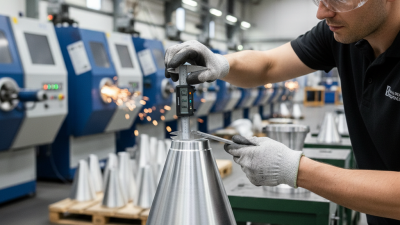
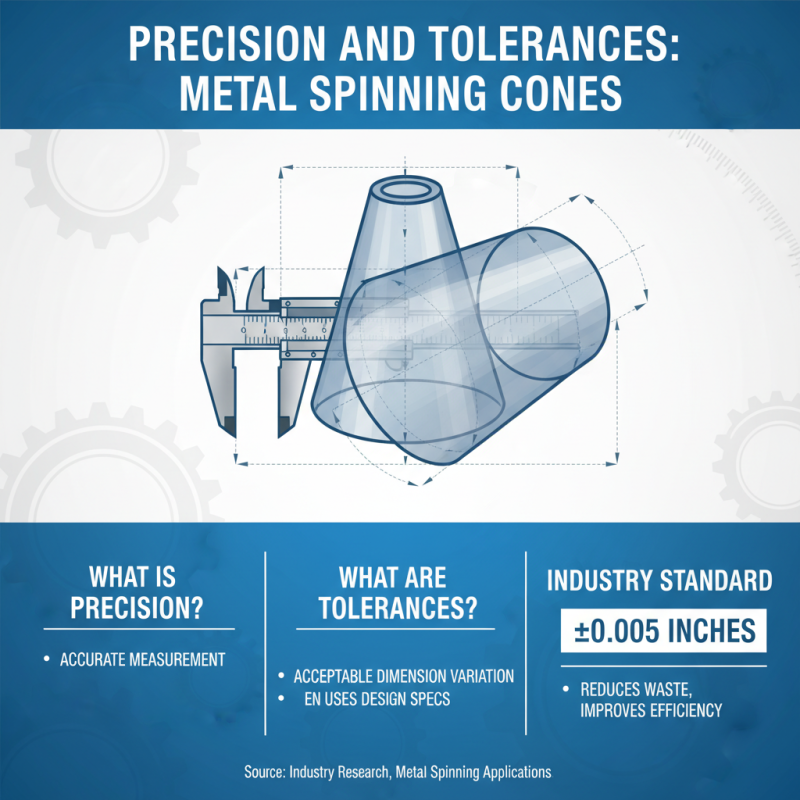
The right Metal Spinning Cone should reflect both design intent and functional necessity. Factors such as material type, thickness, and cone dimensions play vital roles. Experts suggest evaluating each cone’s performance metrics thoroughly. This analysis helps align your goals with the right equipment. However, many overlook these aspects, leading to disappointing results.
As a professional in the industry, consider the long-term implications of your choice. Selecting a Metal Spinning Cone without careful consideration can create unforeseen challenges. Balancing technical specifications with practical applications is essential. Crafting informed decisions will enhance productivity and reduce costly trial-and-error phases.
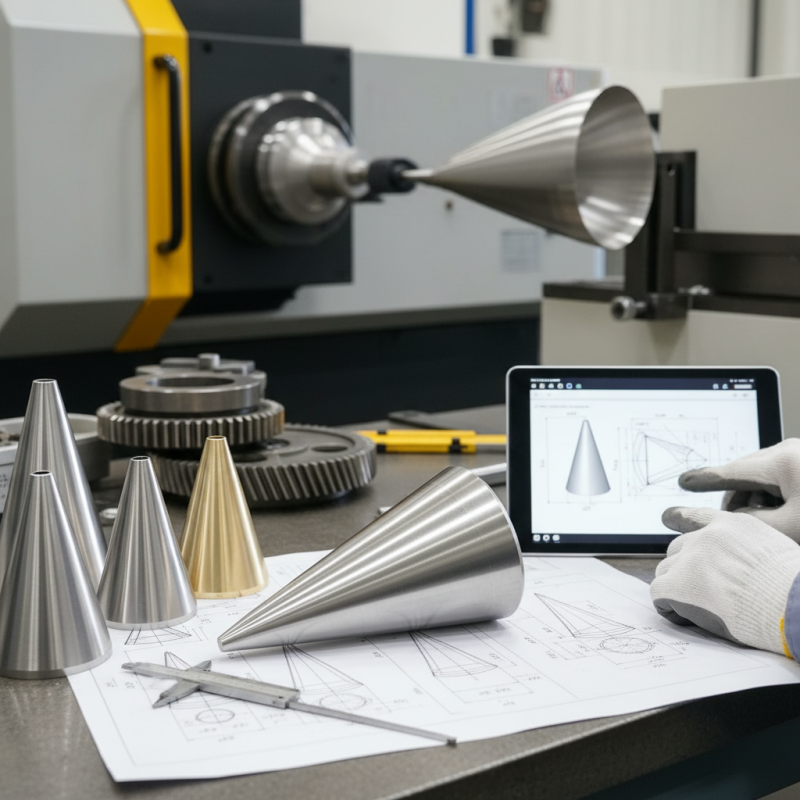
Understanding Metal Spinning: A Brief Overview of the Process and Applications
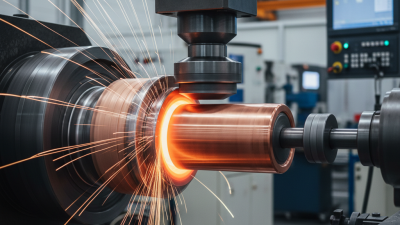
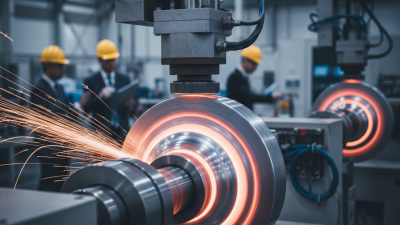
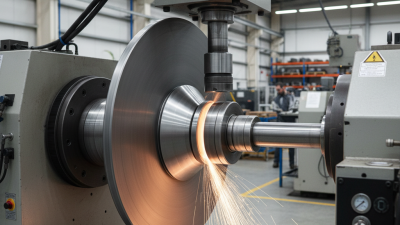
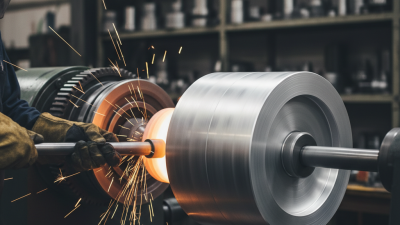
Metal spinning is a fascinating manufacturing process. It involves shaping a metal disc into conical or cylindrical forms by spinning it on a lathe. The process relies on centrifugal force. As the metal spins, it is gradually shaped by a tool that presses against it. This technique allows for high precision and a smooth finish.
Applications of metal spinning are diverse. Industries utilize spun parts in aerospace, automotive, and HVAC systems. Typical products include cones, bowls, and reflectors. The material can vary widely, from aluminum to stainless steel. Each has different properties, making choice crucial.
Choosing the right spinning cone is not always straightforward. Many factors complicate decision-making, such as the required thickness or specific dimensions. Sometimes, a prototype is necessary to identify flaws. Each application may demand unique requirements. Understanding the intricacies of the metal spinning process is key to ensuring optimal results.
Key Materials for Metal Spinning: Selecting the Right Alloys and Their Properties
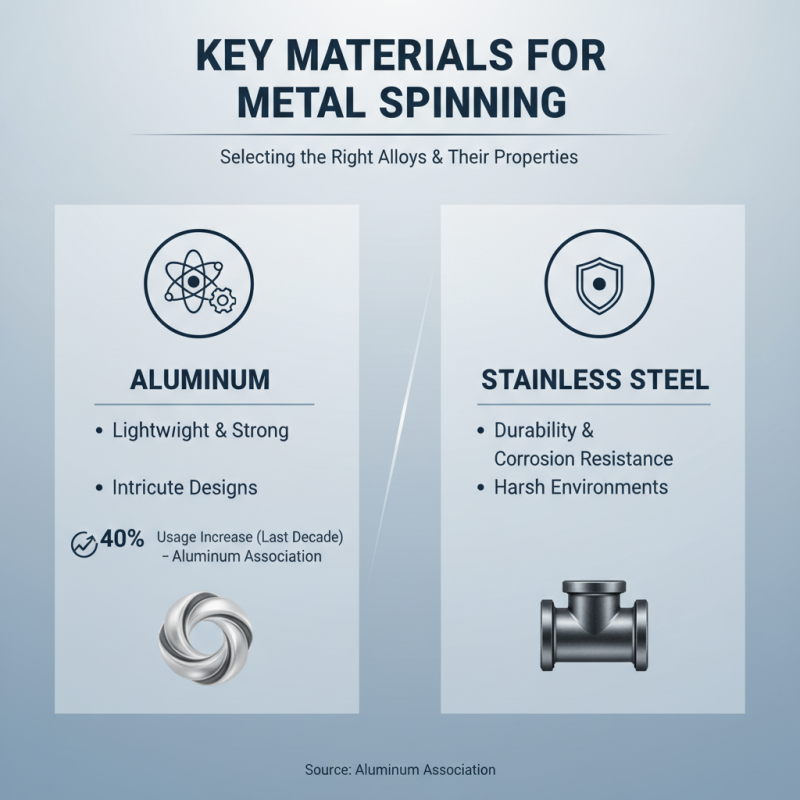
Selecting the right alloys is crucial for metal spinning projects. Aluminum and stainless steel are commonly preferred due to their properties. Aluminum is lightweight yet strong, making it suitable for intricate designs. Meanwhile, stainless steel offers durability and resistance to corrosion, which is vital in harsh environments. According to the Aluminum Association, aluminum use in manufacturing has increased by 40% over the past decade due to its versatility.
When considering material choices, one must evaluate the specific mechanical properties required. Yield strength and ductility are key factors. For instance, aerospace applications typically require alloys with high strength-to-weight ratios. An alloy like 2024 aluminum is often used for its high strength, while 6061 offers good corrosion resistance and machinability. Research from the Materials Research Society indicates these alloys demonstrate varied performance under stress and temperature conditions.
Challenges also arise in material selection. Some alloys may pose difficulties in forming or may not provide the expected finish after spinning. The choice of the right alloy can affect production time and cost. It's essential to conduct thorough testing before committing to material choices. Understanding these nuances can lead to optimal results in metal spinning projects.
Cost Efficiency: Analyzing Price Factors in Metal Spinning Cone Production
When choosing a metal spinning cone, cost efficiency is a critical consideration. The production price can vary significantly based on materials, labor, and machine capabilities. Reports indicate that raw material costs can constitute as much as 50% of the total production expense. Aluminum, stainless steel, and brass are common materials, each with distinct pricing factors. A change in supplier or material can impact your budget.
Labor costs are also crucial. Skilled labor tends to be more expensive. Yet, investing in training can improve productivity. A recent industry survey revealed that manufacturers who prioritized workforce training reduced production costs by about 20% over two years. This connected efficiency with skill development.
Machine technology further influences price. Advanced machines may require higher initial investments but can yield long-term savings through efficiency. According to industry data, companies using CNC technology saw a 30% reduction in production time. However, the upfront costs can be daunting for some businesses, leading to tough decisions about equipment investment. Exploring leasing options can be a feasible alternative for lower upfront costs.
Sustainability in Metal Spinning: Evaluating Environmental Impact and Practices
Sustainability plays a crucial role in metal spinning. The industry must continuously assess its environmental impact. A recent report from the International Metal Spinning Association highlights that metal spinning can lead to significant material waste if not managed properly. Traditional methods often produce more scrap, driving up costs and harming the environment.
In contrast, sustainable practices in metal spinning focus on minimizing waste and optimizing energy use. According to a study by the Manufacturing Sustainability Initiative, advanced technologies can reduce energy consumption by 30% and lower emissions significantly. This shift is essential as the global manufacturing sector accounts for approximately 20% of all carbon emissions.
The challenge lies in implementing these practices universally. While some companies adopt greener technologies, others lag behind. Industry experts stress the importance of sharing best practices. This sharing can lead to improved sustainability across the sector. It requires both commitment and innovation to ensure a more eco-friendly future for metal spinning.
Environmental Impact of Metal Spinning Techniques