Top 10 Benefits of Metal Spinning Cone for Global Buyers?
In the competitive landscape of modern manufacturing, the Metal Spinning Cone stands out as a vital tool. This innovative process offers numerous advantages for global buyers, especially those seeking precision and efficiency. Metal spinning is not just about shaping metal; it's about creating high-quality products with exceptional durability.
The increase in demand for customized designs makes the Metal Spinning Cone even more relevant. It enables manufacturers to produce complex shapes that meet specific requirements. By utilizing advanced techniques, businesses can enhance their production capabilities. Moreover, the reduction in material waste is a significant benefit of this process. Companies can achieve better sustainability while also lowering costs.
Reflecting on its role, one realizes that the Metal Spinning Cone is more than a mere technique. It represents an evolution in manufacturing practices. Yet, challenges exist, such as the need for skilled labor and investment in technology. Buyers must remain aware of these factors. Nonetheless, embracing the Metal Spinning Cone offers transformative benefits that can drive business success in today’s global market.
Understanding the Basics of Metal Spinning Cone Technology
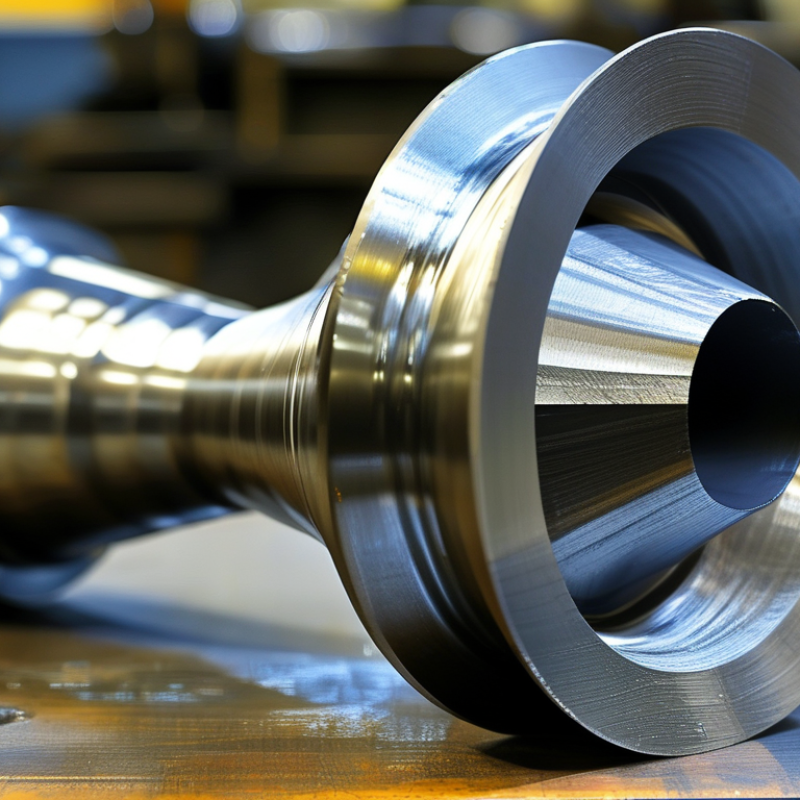
Metal spinning cone technology is a fascinating process that offers numerous benefits for global buyers. This technique involves the transformation of metal sheets into conical shapes, which is used in various industries. It allows for precise shaping and creates parts with uniform thickness. This consistency is essential in applications like aerospace and automotive manufacturing.
The versatility of metal spinning is noteworthy. It can accommodate various materials, including aluminum and stainless steel. Depending on the project, manufacturers can create complex geometries with relative ease. However, achieving perfection requires skill and practice. Not all products may meet the required standards on the first attempt, leading to waste. This highlights a need for ongoing training and quality control.
Moreover, the efficiency of this technology reduces production time and costs, which is a major advantage. Buyers appreciate quicker turnaround times and lower expenses. Yet, companies must remain vigilant. They should assess whether the technology aligns with their goals. Evaluating sustainability and environmental impact is also crucial. Investing in energy-efficient practices can ultimately enhance the credibility of manufacturers.
Advantages of Material Efficiency and Waste Reduction in Metal Spinning
Metal spinning is revolutionizing material efficiency in manufacturing. This process uses a rotating workpiece to form metal into specific shapes. Reports show that metal spinning can achieve over 90% material utilization. Traditional methods often waste significant material. Reducing scrap metal not only lowers costs but also lessens environmental impact.
A recent industry analysis indicated that businesses employing metal spinning see up to a 30% reduction in material waste compared to conventional methods. This advantage becomes even more critical as global demand for sustainable practices rises. Higher efficiency in material use directly translates into less energy consumption, fostering a more sustainable production cycle.
Yet, challenges remain in the adoption of metal spinning. Not all manufacturers fully understand the technology. Some face initial setup costs or require skilled labor. Continuous training and adaptation are essential for realizing the full benefits. Industry experts emphasize the need for better education on metal spinning techniques. Investment in knowledge and skills can yield significant returns in efficiency and sustainability.
Applications of Metal Spinning Cones in Various Industries
Metal spinning cones are gaining traction across various industries due to their versatility and efficiency. These cones are vital in sectors like aerospace, automotive, and energy. They help fabricate components like heat exchangers and turbine housings. According to a recent report by Research and Markets, the global metal spinning market is projected to grow at a CAGR of 4.8% from 2021 to 2026, indicating a robust demand.
In the aerospace sector, metal spinning cones are used to create lightweight yet durable components. This quality is crucial for improving fuel efficiency. A study by the International Journal of Aerospace Engineering highlights that replacing heavier materials with spun metal parts can reduce aircraft weight by up to 15%. This reduction translates to significant fuel savings, underscoring the effectiveness of metal spinning in enhancing operational efficiency.
Moreover, metal spinning is also crucial in the renewable energy sector. Wind turbine manufacturers utilize these cones to produce parts that withstand high pressure and extreme conditions. Yet, challenges arise in ensuring quality control during production. Maintaining strict tolerances is critical, as any deviation can lead to decreased performance. As industries evolve, the demand for high-quality metal spun parts will only amplify, reflecting an ongoing need for innovation and meticulous production practices.
Cost-Effectiveness of Metal Spinning for Global Buyers
Metal spinning is increasingly recognized for its cost-effectiveness, especially for buyers globally. This manufacturing process offers significant savings on material costs. Industry reports indicate that metal spinning can reduce material waste by up to 70% compared to traditional machining. This efficiency appeals to budget-conscious entities looking for high-quality components without excess expenditure.
In addition to material savings, the production speed of metal spinning is noteworthy. Components can be formed quickly, which decreases labor costs. Industry studies show that the average lead time for spun parts is reduced by 40%. Buyers can respond faster to market demands, enhancing their competitiveness. Yet, it is essential to consider the initial investment in high-quality machinery, which can be substantial. While the long-term savings are clear, companies must weigh this against upfront costs.
Another factor is versatility. Metal spinning allows for complex shapes without expensive molds. However, the need for skilled operators can introduce variability in quality. Ensuring consistent results requires investment in training, which may not always align with every company’s immediate budget. Nonetheless, the long-term benefits often justify these initial hurdles, as quality spun components can lead to fewer repairs and replacements over time.
Top 10 Benefits of Metal Spinning Cone for Global Buyers
This chart illustrates the top ten benefits of metal spinning for global buyers, evaluated on a score from 0 to 100%. Each benefit contributes to the cost-effectiveness and overall value proposition that metal spinning can provide in various applications.
Enhancements in Customization and Design Flexibility with Metal Spinning
Metal spinning is revolutionizing the manufacturing landscape. It offers increased customization and design flexibility that appeals to global buyers. According to a 2021 industry report, the metal spinning market is projected to grow by 5.6% annually, reaching remarkable heights by 2026. This growth underscores the importance of customization for various industries, from automotive to aerospace.
The metal spinning process allows for intricate designs. Manufacturers can produce complex shapes without sacrificing strength or durability. A survey indicated that 78% of engineers prefer metal spinning for parts requiring precise dimensions. This technique supports diverse applications, creating everything from cones to domes. It provides the versatility needed for modern designs.
While the benefits are clear, challenges also exist. Some companies may face limitations in materials and tooling. Not all spinning techniques are suitable for every metal. Buyers should be aware of these constraints. Understanding material compatibility is essential for achieving the desired outcome. Ensuring that designs align with spinning capabilities can lead to better results in production efficiency and cost reduction.
Top 10 Benefits of Metal Spinning Cone for Global Buyers
| Benefit |
Description |
| Customization |
Allows for tailored designs to meet specific customer requirements. |
| Cost-Effective |
Reduced material waste and lower machining costs. |
| Rapid Prototyping |
Quick turnaround on custom projects and prototypes. |
| Design Flexibility |
Ability to create complex shapes and geometries efficiently. |
| Strength and Durability |
Enhanced structural integrity compared to other forming methods. |
| Material Versatility |
Can be used with a wide variety of materials, including metals and alloys. |
| Reduced Lead Times |
Shorter production times enable faster project completion. |
| Eco-Friendly Processes |
Minimized waste and potential for recycling materials. |
| Enhanced Aesthetic Finish |
High-quality surface finishes suitable for various applications. |
| Scalability |
Easily scalable production capabilities from small to large batches. |