Top 10 Benefits of Tube Spinning for Manufacturers Worldwide?
In the competitive landscape of modern manufacturing, Tube Spinning has emerged as a transformative technique. This innovative process shapes metal tubes into precise components with reduced material waste. According to a report by MarketsandMarkets, the global tube manufacturing market is projected to reach $160 billion by 2026. This indicates the growing significance of efficient techniques like Tube Spinning.
Manufacturers worldwide are increasingly adopting Tube Spinning for its numerous benefits. Enhanced strength and durability are often highlighted. Tubes produced through this method exhibit superior structural integrity. Recent studies suggest that parts made using Tube Spinning can be up to 30% stronger than those produced by traditional methods. However, challenges like skill gaps in the workforce and the initial investment in technology need consideration.
The advantages extend beyond just strength. Cost-effectiveness and flexibility are vital for manufacturers aiming for quick production cycles. However, embracing such techniques requires ongoing training and adaptation. Manufacturers must evaluate their capabilities and potential return on investment. As the industry evolves, Tube Spinning stands out as a promising solution with challenges that warrant thoughtful reflection.
Advantages of Tube Spinning in Modern Manufacturing Processes
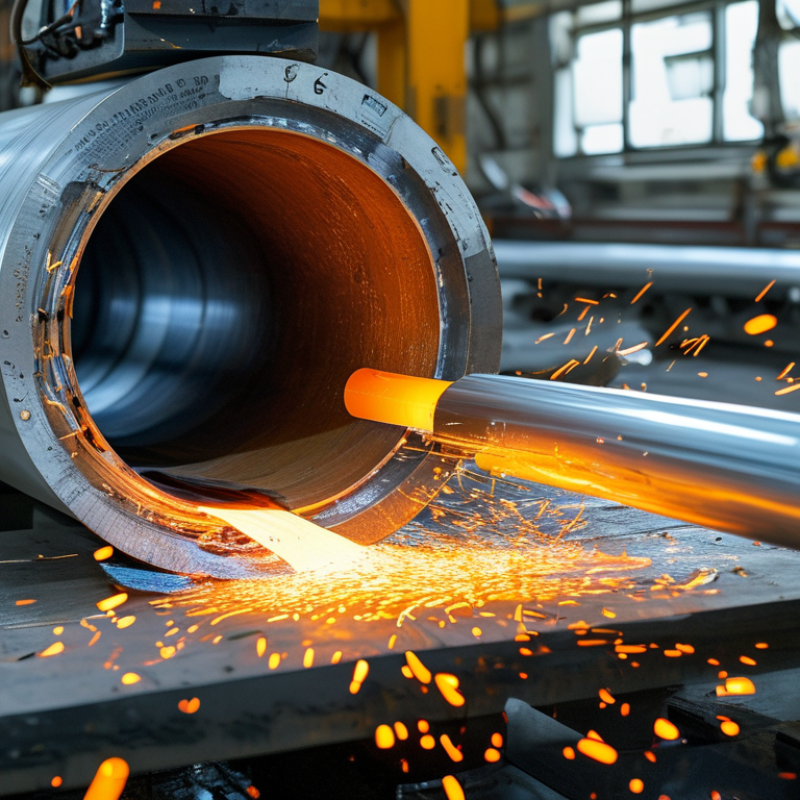
Tube spinning is gaining traction in modern manufacturing due to its impressive benefits. This process involves reshaping metal tubes through mechanical forces, producing strong and lightweight components. According to a report by the International Journal of Advanced Manufacturing Technology, tube spinning can reduce material waste by up to 30%. This efficiency appeals to manufacturers aiming to cut costs.
The precision of tube spinning allows for the creation of complex shapes without compromising structural integrity. This is vital in industries like aerospace and automotive, where performance is key. A study from the Manufacturing Engineering Society notes that tube spun components often require no additional finishing processes, accelerating production timelines significantly.
Tips for using tube spinning: Ensure that you have the right equipment for consistent results. Proper material selection can also enhance durability and performance. Be cautious, though; not all metals respond well to tube spinning, requiring careful consideration during the design phase.
Top 10 Benefits of Tube Spinning for Manufacturers Worldwide
| Benefit |
Description |
Impact on Manufacturing |
| Reduced Material Waste |
Tube spinning generates minimal waste compared to traditional machining methods. |
Lower costs and environmentally friendly. |
| Increased Strength |
The process enhances the mechanical properties of the material. |
Stronger components that withstand higher stress. |
| Cost Efficiency |
Lower tooling and production costs compared to other methods. |
Increased profit margins for manufacturers. |
| Versatility |
Applicable to various materials and shapes, including complex geometries. |
Broader application range for product lines. |
| Shorter Lead Times |
Faster production rates reduce time to market. |
Improved responsiveness to customer demands. |
| Improved Surface Finish |
Tube spinning often results in better surface quality. |
Reduced need for secondary finishing processes. |
| Enhanced Design Flexibility |
Allows for intricate designs not feasible through other methods. |
Innovative product development possibilities. |
| Minimal Tooling Setup |
Requires less complex tooling setups compared to traditional methods. |
Less time and cost associated with setups. |
| Improved Dimensional Control |
Tube spinning offers better precision in dimensions. |
Higher quality and reliability of components. |
| Sustainability |
The process aligns with sustainable practices by reducing waste. |
Enhanced corporate responsibility and image. |
Enhanced Material Strength Through Tube Spinning Techniques
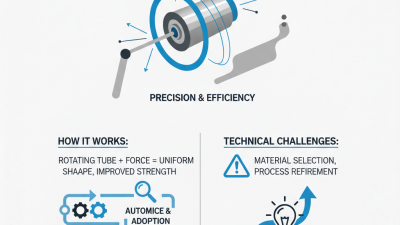
Tube spinning is a remarkable technique that enhances material strength for manufacturers. This process involves rotating a tube while applying axial forces. The result is a stronger and more durable product. Manufacturers appreciate the benefits of improved material properties. The manipulation of metal grains during spinning increases strength. This is crucial for industries that require high-performance components.
When considering tube spinning, reflect on the following tips. Ensure that the initial material is of high quality. Poor materials can lead to inadequate strength, no matter the technique used. Additionally, monitor the temperature during spinning. Excessive heat may weaken the material instead of strengthening it. Proper cooling techniques can mitigate this.
Another important factor is the design of the part. Complex designs may result in challenges during the spinning process. Evaluate whether a simpler design might yield better strength and performance. Keep in mind that sometimes, the best results come from reevaluating project requirements. Finding the right balance between strength, design, and manufacturability is key.
Cost Efficiency and Waste Reduction in Tube Spinning Operations
Cost efficiency is a key reason manufacturers are turning to tube spinning. This process minimizes waste, which directly impacts the bottom line. Unlike traditional methods, tube spinning generates scrap metal that is significantly lower. By utilizing a single piece of material, manufacturers often find they can produce higher quality parts with less material.
Moreover, tube spinning requires less energy and time, contributing to cost savings. The reduction in machining time means quicker turnaround and faster production rates. This efficiency allows manufacturers to meet market demands more rapidly. However, achieving optimal efficiency can be challenging.
Training staff to master tube spinning techniques is essential. Inadequate training can lead to increased waste and reduced efficiency. Continuous improvement in processes is necessary to maximize the benefits. Manufacturers should routinely evaluate their operations to identify areas for enhancement. Reflecting on their methods helps boost reliability and performance.
Versatility of Tube Spinning in Various Industries
Tube spinning is gaining traction across various industries due to its unique versatility. This technique allows manufacturers to create intricate shapes and designs with minimal material waste. Reports indicate that tube spinning can reduce material waste by up to 30%, making it an eco-friendly option. This reduction not only impacts cost but also supports sustainability goals.
In the automotive sector, tube spinning is essential for producing lightweight, high-strength components. Studies show that lightweight materials improve fuel efficiency by up to 10%. This is crucial as manufacturers seek to meet increasingly strict emissions regulations. Additionally, the aerospace industry benefits from tube spinning for its ability to craft complex, high-precision parts required for aircraft.
However, while tube spinning offers many advantages, it is not without challenges. The learning curve for operators can be steep. Ensuring quality control during production is vital, as defects can arise from inconsistencies in the spinning process. Companies must invest in training and technology to address these issues effectively. With a commitment to innovation and quality control, tube spinning can continue to flourish in manufacturing settings worldwide.
Improved Surface Finish and Precision in Tube Spinning Products
Tube spinning offers significant advantages, particularly in achieving improved surface finish and precision. This method allows manufacturers to create seamless tubes with enhanced structural integrity. A recent industry report indicates that over 90% of tube spinning applications result in better surface finishes compared to traditional processes. This improvement is attributed to the continuous material working involved in tube spinning, which minimizes imperfections.
Achieving high precision is essential for meeting stringent industry standards. Data shows that tube spun products can attain tolerances as tight as ±0.02 mm. This level of accuracy is crucial for applications in aerospace and automotive sectors, where failure is not an option. However, achieving this level of precision requires skilled operators and advanced machinery. Continuous training and investment in technology are vital.
Tip: Regular equipment maintenance can enhance output quality. Regular audits can identify machine wear that might compromise precision. Additionally, it’s beneficial to establish feedback loops with operators to capture potential areas for process improvement. Failing to address subtle inconsistencies may lead to larger issues in production quality.