What Is the Best Head Flanging Machine in 2026?
Choosing the best Head Flanging Machine in 2026 requires more than comparing prices or promotional claims. A reliable decision begins with the vessel’s diameter, shell thickness, material, and required flange profile. Stainless steel, carbon steel, and aluminum can demand different forming pressures and tooling designs. Small dimensional errors may affect welding alignment, sealing performance, and final inspection results.
Real workshop experience matters.
An effective machine should deliver repeatable forming, stable hydraulic control, accurate temperature management, and accessible tooling adjustments. Operators should also examine cycle time, energy use, maintenance access, guarding, and emergency-stop systems. Digital controls can improve traceability, but they do not replace skilled setup and regular inspection. Manufacturer specifications should be checked against independent test results, reference installations, and clear after-sales support. A useful comparison also considers spare-part availability and technician response times, especially when production schedules are tight.
There is no universal winner.
The best Head Flanging Machine depends on the production environment and long-term operating goals. A high-capacity model may be excessive for a small fabricator. Conversely, an inexpensive machine may create hidden costs through rework, slow changeovers, or inconsistent edges. Even a careful recommendation can miss practical issues, such as floor space, operator training, or local service coverage. This guide compares leading options through performance, reliability, safety, usability, and total ownership cost. Its aim is practical guidance, not a perfect verdict. Verify every critical specification before purchase.
What Is a Head Flanging Machine?
What Is the Best Head Flanging Machine in 2026?
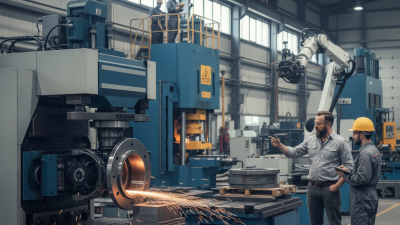
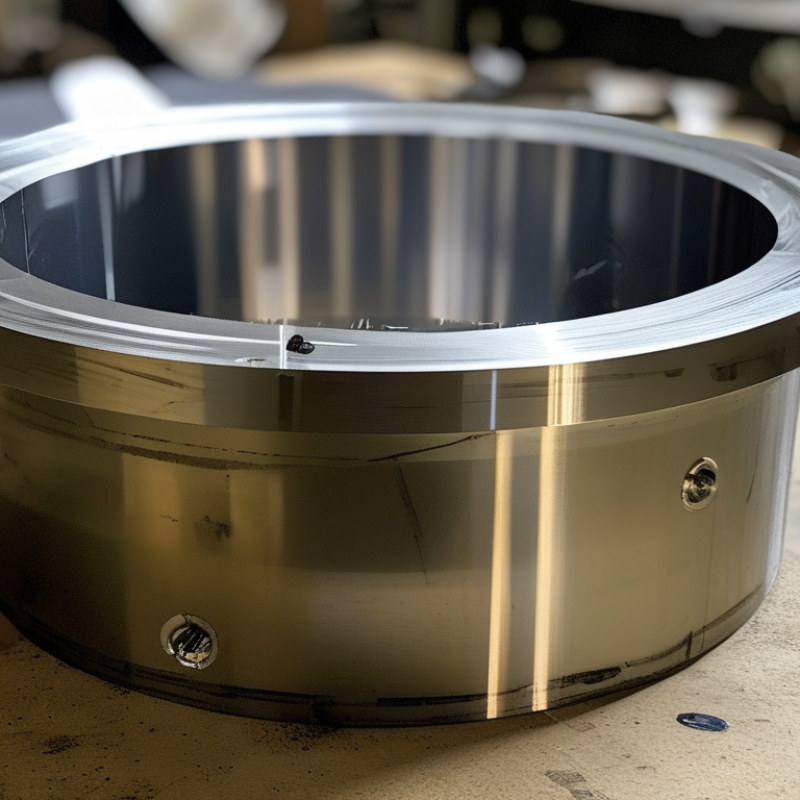
A head flanging machine is industrial equipment that forms a shaped rim around the edge of a dished metal head. This rim, called a flange, helps the head connect with a shell, gasket, or supporting structure. The machine applies controlled pressure through forming tools, often while the workpiece rotates. It may use hydraulic power, mechanical drives, or computer-assisted control.
In practical fabrication, operators use head flanging machines for pressure vessels, storage tanks, heat exchangers, and large ducting components. A reliable machine must match the head diameter, material thickness, alloy strength, and required flange profile. Tool alignment matters greatly. Even a small offset can create uneven edges, wrinkles, or excessive thinning. That defect may remain hidden until welding or inspection.
The best head flanging machine in 2026 is not simply the fastest model. It should provide stable force, repeatable dimensions, accessible controls, and clear safety protection. Automated measurement can reduce operator error, but it does not replace skilled judgment.
I have found that setup time is often underestimated. Some machines perform well in demonstrations yet struggle with thicker, springy materials. A careful buyer should review test results, maintenance access, tooling changes, and operator training before selecting equipment. Perfect results are not automatic. Mistakes still begin with poor preparation.
How Does a Head Flanging Machine Work?
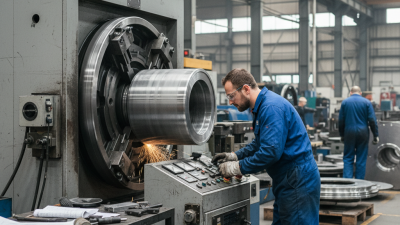
A head flanging machine shapes the edge of a dished metal head into a precise rim. This rim allows the head to connect securely with a shell, pipe, or supporting ring. The process begins when an operator places the formed head on a rotating fixture. Strong clamps hold it firmly in position.
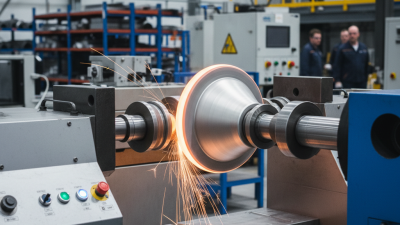
As the fixture turns, forming rollers press against the head’s edge. The rollers follow a programmed path and gradually bend the metal inward or outward. Several light passes usually produce better results than one aggressive pass. Depending on the material and thickness, the process may use cold forming or controlled heating. Pressure sensors help maintain consistent force during rotation. A skilled operator still checks the sound, vibration, and surface condition. Machines do not catch every problem.
For the best head flanging machine in 2026, buyers should examine control accuracy, frame stiffness, tooling range, and operator protection. A rigid frame reduces unwanted movement during heavy forming. Adjustable rollers support different head diameters and flange profiles. Digital controls can record pressure, speed, and forming position for quality checks. However, software cannot replace correct tooling or careful setup. Small alignment errors may create uneven flange height, visible ripples, or excessive thinning. Measuring the finished rim with calipers and templates remains practical. Trial runs also reveal weaknesses that brochures rarely mention. Safety interlocks, emergency stops, and clear maintenance access deserve equal attention.
Which Types of Head Flanging Machines Are Available in 2026?
The best head flanging machine in 2026 depends on production volume, material, and required accuracy. Several machine types are available, and each suits a different workshop.
Mechanical flanging machines remain useful for standard steel heads and steady production. They are simple, durable, and often easier to maintain. Hydraulic models provide stronger forming pressure for thicker plates and larger diameters. Their adjustable force helps reduce deformation, but setup can take longer.
CNC and servo-controlled machines offer precise movement, repeatable flange heights, and digital parameter storage. They fit manufacturers handling varied head sizes. Orbital or spinning flanging machines create smooth edges through controlled rolling. They can reduce surface damage, although operators need careful tooling selection.
Hot flanging systems use heat for difficult materials or heavy sections. This method demands close temperature control and experienced supervision.
Tips: Check the plate thickness range, head diameter, flange height, and material compatibility before choosing. Ask for a trial using your actual steel grade. Measure the finished edge with calibrated tools. Small errors become costly during welding. Safety guards, emergency stops, and clear maintenance access also matter. A highly automated machine may look ideal, but it can be excessive for short batches. I have seen purchasing decisions focus too heavily on speed. That is worth reconsidering. Reliable forming, stable repeatability, and operator training usually matter more than impressive specifications.
What Features Define the Best Head Flanging Machine?
The best head flanging machine in 2026 is defined by control, repeatability, and practical flexibility. A strong frame must resist vibration while forming a smooth, consistent rim. Servo-hydraulic control helps regulate pressure during each forming stage. This matters when carbon steel, stainless steel, or aluminum requires different force levels.
Precision is not enough.
The machine should include programmable recipes, real-time pressure monitoring, and automatic stroke adjustment. These features reduce operator guesswork and improve batch consistency. The 2024 World Robotics report recorded 541,302 industrial robots installed worldwide in 2023. This figure shows the wider shift toward measurable automation. However, a flanging machine does not need excessive automation. A clear interface may outperform a complicated system on a busy factory floor.
Energy use also deserves attention. The IEA’s Energy Efficiency 2023 report places industry at roughly 37% of global final energy consumption. Efficient hydraulic pumps, standby modes, and shorter cycle times can reduce waste. Tooling changeover should be quick, with visible alignment marks and accessible dies.
Guards, emergency stops, and documented safety procedures should follow applicable industrial standards, including relevant ASME and ISO requirements. In practice, advertised accuracy can weaken after months of wear. Therefore, buyers should inspect maintenance records, calibration methods, and sample flanged heads. The perfect specification sheet is not proof of perfect production.
How to Compare Machine Performance, Safety, and Cost
What Is the Best Head Flanging Machine in 2026?
The best head flanging machine is not always the fastest model. Compare measurable output under identical conditions. Record cycle time, flange diameter tolerance, surface finish, repeatability, and changeover minutes. A practical trial should use your steel grade, head thickness, and actual tooling. Watch the operator’s movements. Small delays become expensive across thousands of parts.
Deloitte’s 2023 Smart Manufacturing and Operations Survey found that 86% of manufacturers expect smart manufacturing to become a major competitiveness driver within five years. This supports choosing machines with useful production data, not decorative software. Check whether sensors track pressure, stroke position, alarms, and downtime. Data must be exportable. Otherwise, it may become another screen nobody trusts. Performance claims need evidence from test records, not polished brochures.
Safety deserves equal weight. Confirm fixed guards, door interlocks, emergency stops, safe maintenance access, and clear hydraulic isolation points. ISO 12100 provides a recognized framework for machinery risk assessment, while ISO 13849-1 addresses safety-related control systems. Ask for validation documents and operator training records. Cost comparisons should include tooling, electricity, preventive maintenance, spare parts, installation, and lost production during failures. A lower purchase price can hide a costly hydraulic pump or long changeover. I would also request a 12-month total-cost model. It will not be perfect, but ignoring uncertainty is worse.
What Is the Best Head Flanging Machine in 2026? — Comparing Performance, Safety, and Cost
| Machine Configuration |
Typical Head Diameter |
Typical Material Thickness |
Production Capacity |
Dimensional Repeatability |
Automation Level |
Typical Installed Power |
Operator Safety |
Indicative Purchase Cost |
Estimated 5-Year Total Cost of Ownership |
Overall Score |
Best Application |
|
Manual or Mechanical Flanging Machine
|
300–1,500 mm |
1–6 mm |
1–4 heads per hour |
Typically ±1.0–2.0 mm |
Low; manual setup and adjustment |
3–15 kW |
Moderate; requires strong guarding, two-hand controls, and manual loading procedures |
US$25,000–100,000 |
US$55,000–180,000 |
63/100 |
Small workshops, prototypes, low-volume production, and thin-gauge heads |
|
Standard Hydraulic Flanging Machine
|
600–4,000 mm |
3–16 mm |
2–6 heads per hour |
Typically ±0.5–1.0 mm |
Medium; hydraulic pressure and stroke are adjustable |
15–75 kW |
Good when equipped with perimeter guarding, emergency stops, pressure relief, and interlocked access doors |
US$80,000–350,000 |
US$150,000–550,000 |
78/100 |
General pressure-vessel, tank, boiler, and industrial head production |
|
CNC Hydraulic Flanging Machine
Best Overall
|
600–5,000 mm |
3–25 mm |
3–10 heads per hour |
Typically ±0.2–0.5 mm |
High; programmable positioning, pressure, stroke, and cycle parameters |
30–110 kW |
Very good when CNC controls are combined with interlocked guarding, light curtains, overload protection, and monitored hydraulic pressure |
US$180,000–650,000 |
US$320,000–950,000 |
89/100 |
Mixed-batch production requiring repeatability, traceability, reduced setup time, and consistent quality |
|
Servo-Hydraulic Flanging Machine
|
800–5,000 mm |
3–25 mm |
3–9 heads per hour |
Typically ±0.2–0.5 mm |
High; variable-speed control and programmable forming profiles |
20–90 kW |
Very good when fitted with guarded tooling, force monitoring, safe-motion controls, and automatic fault detection |
US$220,000–750,000 |
US$350,000–1,000,000 |
87/100 |
High-utilization plants prioritizing lower idle energy use, controlled forming speed, and advanced process monitoring |
|
Special-Purpose Heavy-Duty Hydraulic Machine
|
2,000–8,000 mm |
12–40 mm |
0.5–3 heads per hour |
Typically ±0.5–1.5 mm |
Medium to high; depends on tooling and control package |
75–250 kW |
Good only with engineered foundations, large-area exclusion zones, remote operation, and comprehensive hydraulic safety systems |
US$400,000–1,500,000+ |
US$750,000–2,200,000+ |
82/100 |
Large-diameter, heavy-wall heads for storage tanks, power equipment, and specialized fabrication |
Comparison basis: The figures are indicative 2026 industry ranges for new machines and are intended for preliminary comparison only. Actual performance depends on material grade, head geometry, tooling design, operator skill, production mix, installation requirements, maintenance conditions, and local labor and energy prices. Purchase cost excludes taxes, shipping, foundation work, tooling, and building modifications. The five-year ownership estimate includes typical preventive maintenance, hydraulic components, controls, energy, and tooling allowances. For most mixed-batch manufacturers, a CNC hydraulic configuration offers the best balance of repeatability, safety, throughput, and lifecycle cost.