How to Choose the Best Spinning Machining Supplier?
Choosing the right Spinning Machining supplier can be a challenging task. According to industry expert Dr. Emily Chen, "The right supplier can enhance your production quality and efficiency." This highlights the importance of careful selection.
When evaluating suppliers, consider their experience in Spinning Machining. A proficient supplier should have a proven track record in delivering high-quality parts. Look for those who specialize in the materials relevant to your needs. Commonly used materials include aluminum and titanium, known for their excellent properties.
Additionally, review their technological capabilities. Do they utilize advanced machinery? A supplier with state-of-the-art equipment can achieve precision that older methods may not provide. Quality control processes are equally vital. Suppliers with robust quality assurance systems often deliver reliable products. However, even reputable suppliers may have occasional lapses. It's important to discuss these concerns and seek transparency in their practices.
Identifying Your Specific Spinning Machining Needs
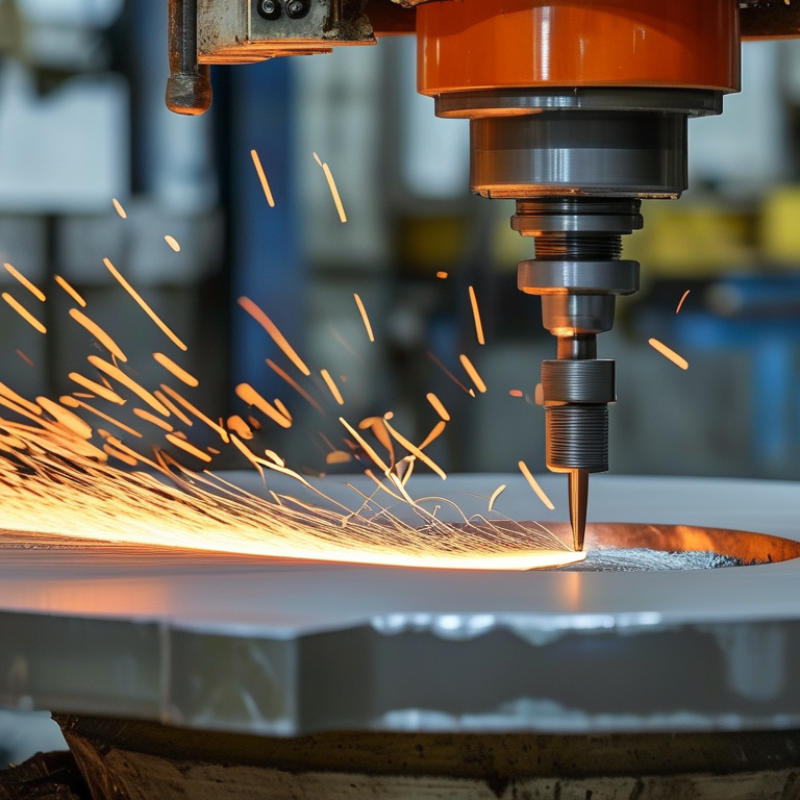
Identifying your specific spinning machining needs is crucial in selecting the right supplier. A distinct understanding of these needs can significantly influence the quality of your finished products. According to a recent industry report, nearly 70% of manufacturing defects arise from improper machining processes. This statistic underscores the importance of aligning your project requirements with the capabilities of potential suppliers.
When assessing your needs, reflect on factors such as material type, part complexity, and production volume. For example, if your project involves intricate designs, seek suppliers with advanced CNC lathe capabilities. Additionally, consider the tolerances required. A study indicated that 80% of engineers faced challenges with precision in high-volume productions. Not all suppliers can meet strict tolerance specifications. Thus, knowing your specific needs helps in filtering out providers who may not meet your precision criteria.
Also, examine the technology and equipment the suppliers use. Recent advancements in spinning machining technology can dramatically enhance production efficiency. However, not all suppliers have adapted to these changes. It's essential to determine whether a potential partner employs modern techniques or relies on outdated processes. Understanding your specific requirements will guide you in making a more informed choice.
Researching Potential Suppliers in the Industry
Selecting the right spinning machining supplier is crucial. Researching potential suppliers requires a strategic approach. Start by identifying suppliers with relevant industry experience. Their expertise can greatly influence the quality of your products. Look for companies that showcase their previous work clearly. A strong portfolio reflects their capabilities.
Next, gather information about their reputation. Online reviews and testimonials can reveal much about a supplier’s reliability. Pay attention to customer feedback, especially regarding delivery times and product consistency. Engage in conversations with other industry professionals. Their insights can help identify trustworthy suppliers.
Check for certifications and industry standards compliance. Suppliers meeting specific regulations demonstrate a commitment to quality. However, remember that certification does not always guarantee performance. It’s wise to compare multiple suppliers. This will help you gauge who stands out for product quality and service. Conducting thorough research can prevent poor supplier choices in the future.
Evaluating Supplier Experience and Expertise in Spinning Machining
Choosing a spinning machining supplier requires careful evaluation of their experience and expertise. Start by assessing their industry background. A supplier with years of experience likely understands the nuances of spinning machining better. Look for companies that have a proven track record in various applications. Ask for case studies or examples of their work. This can show their ability to handle different projects.
In addition to experience, consider the technical expertise of the supplier. Do they have engineers on staff who specialize in spinning machining? A knowledgeable team can provide insights into optimization and efficiency. Evaluate their certifications as well. These can indicate a commitment to quality standards and continuous improvement. Interviews with their team can provide valuable information about their problem-solving approach.
Reflect on the supplier's reputation in the industry. Reviews and testimonials, while subjective, often reveal valuable insights. Be cautious of potential red flags. Occasionally, suppliers may oversell their capabilities. It's essential to engage in thorough discussions. This can clarify expectations and ensure alignment with your project requirements.
Evaluating Supplier Experience and Expertise in Spinning Machining
Comparing Pricing Models and Service Offerings
When selecting a spinning machining supplier, it’s crucial to evaluate their
pricing models. Fixed pricing offers predictability, while variable pricing can reflect project complexity. Understanding how each model aligns with your budget is essential. Some suppliers may present lower initial rates but add hidden fees later. Transparency in pricing builds trust. Always seek clarity on quotes and potential additional costs.
Service offerings also play a significant role in your decision. A supplier should not only provide top-notch machining but also exhibit flexibility. For instance, some suppliers offer fast-turnaround options. Others might specialize in complex projects requiring advanced technology. Reviewing each supplier's capabilities can reveal the best fit for your specific needs. Communication is key; how a supplier responds to inquiries can indicate their commitment level.
Additionally, assess their customer support. Reliable suppliers will guide you through the process. They should be open to feedback and willing to revise their services based on your requirements. Be wary of suppliers who become defensive or reluctant to adapt. Reflecting on these factors can help you navigate the often complex landscape of machining services.
Assessing Customer Service and Support from Suppliers
When selecting a spinning machining supplier, assessing their customer service and support is crucial. A responsive and knowledgeable support team can make a significant difference. Look for suppliers that provide multiple contact methods such as phone, email, and live chat. Effective communication channels help resolve issues promptly, reducing downtime for your projects.
Another important aspect is the training and resources offered. Suppliers who provide comprehensive guidance on their products tend to understand their clients' needs better. Within this framework, consider whether they offer online tutorials, operating manuals, or technical support. Visual aids and detailed documentation enhance usability and foster better relationships.
It's worth noting that not all suppliers have the same level of support. Some might delay responses, while others could lack the technical expertise needed for complex inquiries. Be cautious. Engaging with existing clients through testimonials or reviews can provide insight. A supplier's track record in customer service often reflects their commitment to quality and reliability. This, in turn, can guide your decision-making process effectively.