2026 How to Use Metal Spinning Tool for Your Next Project?
In the world of metalworking, the Metal Spinning Tool stands out for its versatility and precision. This tool allows fabricators to create complex shapes from sheet metal with ease. Whether you’re a seasoned craftsman or a novice, understanding how to effectively use this tool can elevate your projects.
Metal spinning is not just a technique; it’s an art form that requires practice and patience. Each spin can lead to imperfections, but that’s part of the learning process. You might struggle with achieving perfect symmetry on your first few tries. However, with each attempt, you develop a deeper understanding of the dynamics at play.
As you embark on your next project, consider the potential of the Metal Spinning Tool. It opens doors to unique designs and innovative creations. Embrace the challenges and imperfections along the way. This journey is about refining your skills and discovering your own style in metalwork.
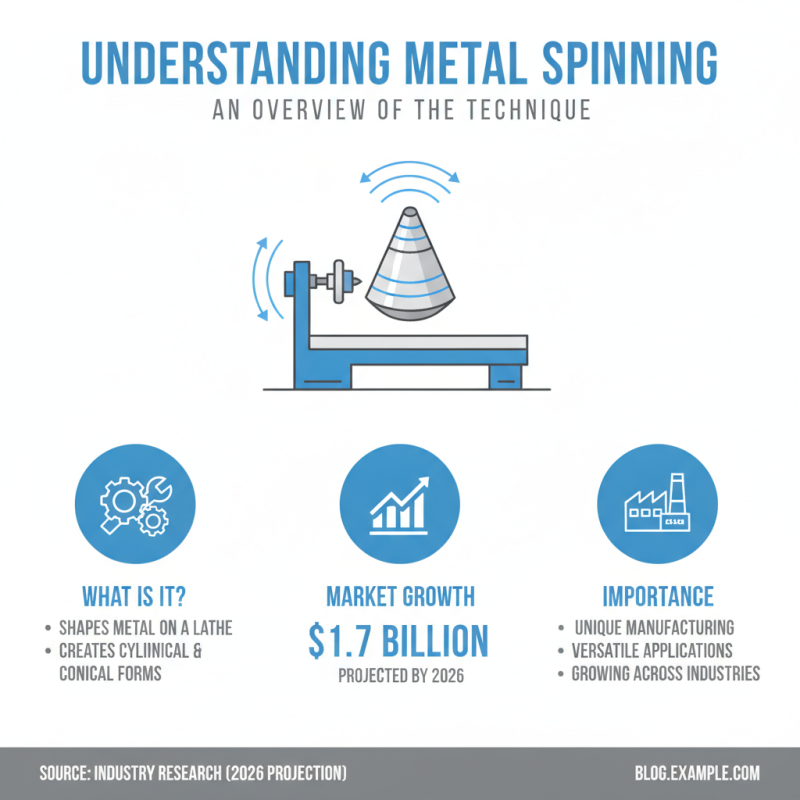
Understanding Metal Spinning: An Overview of the Technique
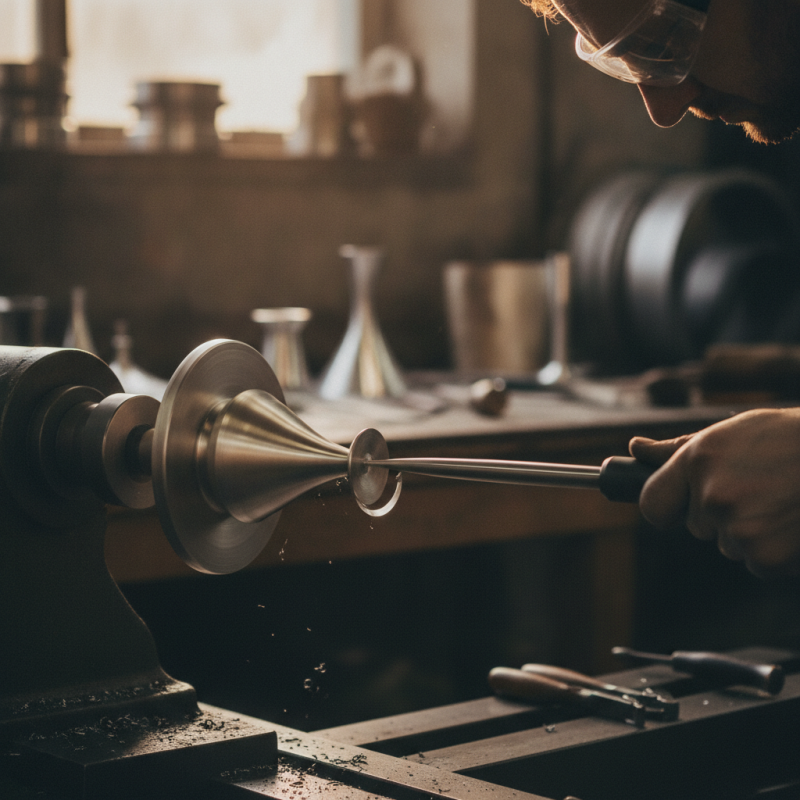
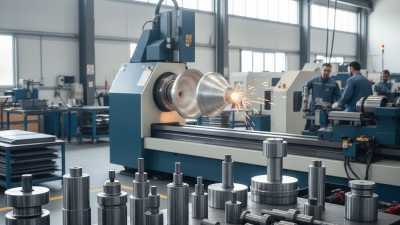
Metal spinning is a unique technique used in manufacturing. It involves shaping metal into precise forms by spinning it on a lathe. This process allows for the creation of various shapes, including cylindrical and conical objects. Research indicates that the metal spinning market is projected to grow to $1.7 billion by 2026, highlighting its increasing importance in multiple industries.
The technique requires skill and experience. Operators must understand how to manipulate metal under rotational forces. Proper tooling and machine setup are crucial for achieving the desired specifications. Data shows that errors in tooling can lead to significant material waste, emphasizing the need for precision in every step. Despite its advantages, some projects face challenges due to inconsistent quality or unexpected material behaviors.
Moreover, metal spinning provides flexibility in production. It can accommodate small to large runs with ease. However, the process does have limitations, including design constraints. Complex geometries may require additional techniques. Reflecting on the technique's capabilities encourages consideration of mixed methods for more intricate projects.
Essential Tools and Equipment for Metal Spinning Projects
When embarking on a metal spinning project, the right tools and equipment are crucial. A reliable metal spinning lathe is central, allowing you to shape materials accurately. It should have adjustable speeds for different metal types. A good lathe can adapt to various projects, big or small.
In addition to the lathe, don’t overlook basic hand tools. Pliers, cutting tools, and measuring instruments are essential for precision. These tools ensure your project meets design specifications. Safety gear also deserves attention. Gloves and goggles protect against metal shavings and sharp edges.
Lastly, consider your workspace. A well-organized area, equipped with adequate lighting, enhances efficiency. However, even with the best tools, mistakes can happen. Reflecting on errors can improve future projects. Learning from challenges is part of the creative process.
Metal Spinning Tool Usage in Different Projects (2026)
Step-by-Step Guide to Preparing Your Material for Spinning
Preparing your material for metal spinning is crucial for achieving the best results. Start by selecting the right metal. Choices like aluminum or brass work well for beginners. Ensure your material is clean and free from contaminants. Dust or grease can ruin your final product. Measure accurately before cutting your metal blank. A poorly sized blank may lead to uneven spinning.
Next, focus on the thickness of the material. Thicker sheets can be harder to manipulate. Aim for a balance between strength and flexibility. After cutting, round the edges. Sharp edges can cause accidents during spinning.
Take time to smooth the surface. This step is essential for preventing any surface imperfections.
Finally, assess your equipment. Make sure your spinning tool is sharp and well-maintained. A dull tool can create unnecessary strain. Reflect on each step you take. Mistakes happen, and they are part of the learning process. Understanding the preparation phase is key to success in metal spinning.
Techniques for Mastering the Metal Spinning Process
Metal spinning is a fascinating technique used in various manufacturing processes. It allows for the creation of cylindrical parts with great precision. According to a report by the Manufacturing Extension Partnership, the metal spinning industry has grown by 4% annually due to its efficiency in producing complex shapes at lower costs. Mastering this technique requires a combination of skill and knowledge.
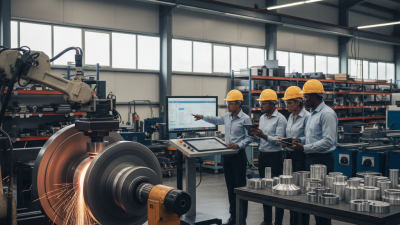
One effective method involves proper tool selection and setup. A well-balanced toolholder prevents vibrations, ensuring uniformity in the finished product. To enhance precision, operators should focus on consistent material feed and optimal rotation speed. It's essential to understand the metal's properties, as different alloys respond distinctively during spinning. A survey published in the Journal of Manufacturing Science reported that over 30% of metal spinning issues arise from improper material handling.
Understanding the tools and techniques can bridge the gap between novice and expert. Experience plays a crucial role in achieving quality results. Trial and error can lead to mistakes. However, these pitfalls offer valuable lessons, shaping the learning curve. With enough practice and attention to detail, anyone can master metal spinning, leading to innovative project outcomes. The journey may be challenging, but growth often stems from these hurdles.
Finishing and Polishing Your Spun Metal Work for Professional Results
Achieving a professional finish on spun metal work requires careful attention to detail. Start by assessing your spun piece for any imperfections. Common issues include surface scratches and uneven thickness. Using a fine-grit sandpaper or polishing compound can help you address these flaws effectively.
According to a recent industry survey, around 40% of metal spinning professionals cite finishing as the most crucial step. This highlights the importance of investing time in perfecting your craft. After sanding, consider using a buffing wheel for that mirror-like shine. This technique can significantly enhance the visual appeal of your project.
Incorporating specific techniques can yield satisfying results. For instance, try using a clear metal lacquer after polishing to protect your work. The lacquer not only enhances the shine but also adds durability. Yet, it is essential to test your finishing products beforehand. Some lacquers may react adversely with certain metals, leading to undesirable outcomes. Always evaluate and refine your process based on your findings.