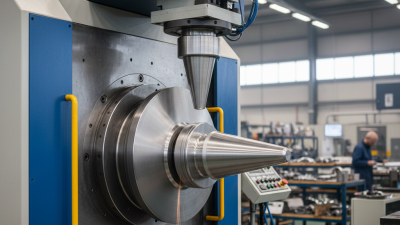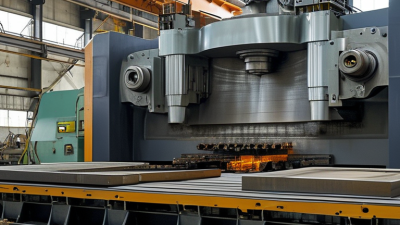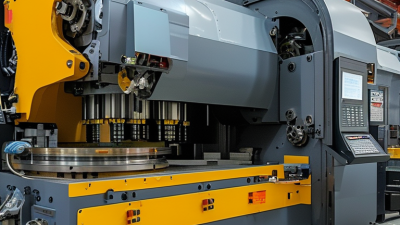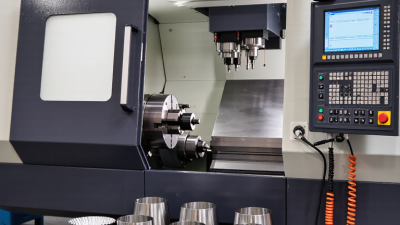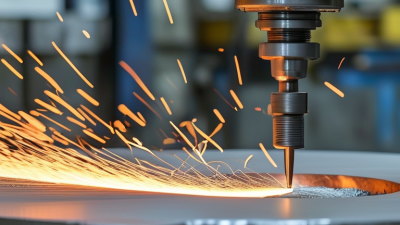
Choosing the right Hot Spinning Machine can shape your production costs, product quality, and delivery reliability. The decision deserves more than a quick comparison of prices or advertised speed. A suitable machine should match your material, part dimensions, forming method, and expected workload. It should also fit your workshop’s power supply, floor space, ventilation, and operator skills.
Begin with the products you actually make. A small aluminum component may need different tooling, pressure control, and spindle speed than a larger steel vessel. Check the machine’s maximum diameter, wall-thickness range, forming force, rotation accuracy, and compatible tooling. Ask suppliers for test results using similar materials. Photographs are useful, but sample production is stronger evidence. A machine that performs well during a short demonstration may struggle after several hours of continuous operation.
Review the manufacturer’s technical experience and service record. Reliable suppliers should explain maintenance intervals, spare-part availability, training, warranty coverage, and response times. Safety features matter too, including guards, emergency stops, overload protection, and clear operating procedures. Independent inspections and recognized quality systems can add confidence, but they do not replace practical verification. Speak with current users when possible. Their daily experience may reveal vibration, setup delays, or software limitations that brochures omit.
Budget beyond the purchase invoice. Tooling, installation, energy use, maintenance, and rejected parts can change the real cost. I have seen buyers focus on hourly output and overlook changeover time. That is an easy mistake. A carefully tested Hot Spinning Machine may cost more initially, yet provide steadier production and fewer surprises. Still, no machine is perfect. Leave room for learning, process adjustment, and honest reassessment before signing the order.
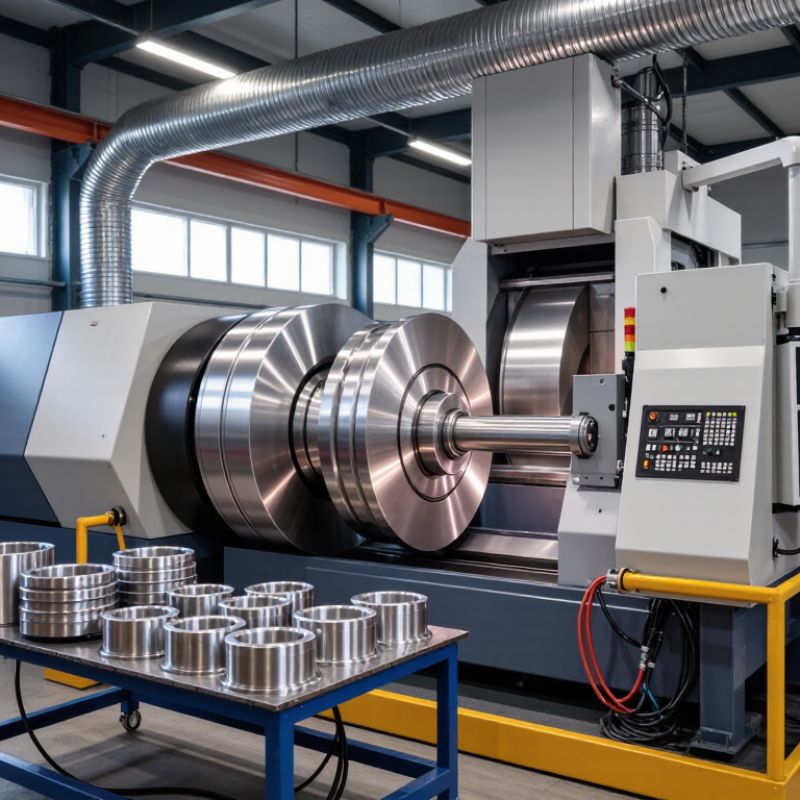
A hot spinning machine shapes heated metal over a rotating mandrel. A roller applies controlled pressure, gradually reducing the wall or forming a curved profile. Unlike cold spinning, the workpiece is heated before deformation. This lowers forming resistance and helps process thicker, stronger alloys. The machine typically includes a heating unit, spindle, mandrel, forming roller, hydraulic system, and CNC controls.
Temperature control is critical. An overheated blank can oxidize, while a cold section may crack or distort. Operators should monitor temperature near the forming zone, not only inside the furnace. The roller must move smoothly and maintain consistent force.
1.89 billion tonnes World Steel Association data shows global crude steel production reached about 1.89 billion tonnes in 2023. That scale reflects continuing demand for reliable metal-forming equipment, but volume alone should not determine machine capacity.
When choosing equipment, compare maximum diameter, blank thickness, spindle speed, forming force, heating range, and repeatability. Check whether the frame can handle your actual alloy and production cycle.
Industry consumes roughly 37% of global final energy, according to the International Energy Agency’s Energy Efficiency 2023 report. Efficient heating and insulation therefore deserve serious attention.
A larger machine is not automatically better. It may waste energy and reduce control on smaller parts. In practice, calculations can miss vibration, tooling wear, or operator learning time. That judgment remains imperfect.
Ask for sample forming trials, measured temperature records, and dimensional results before purchase.
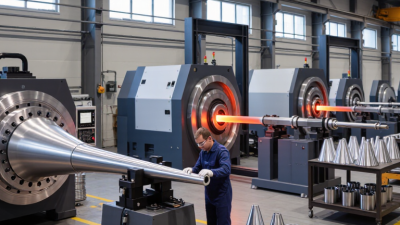
A hot spinning machine should match your actual production range, not an attractive maximum specification. Define the alloy, blank diameter, wall thickness, forming temperature, and required cycle time. Copper, aluminum, and stainless steel behave differently under heat. Their forming forces and cooling needs are not interchangeable. Ask for measured force and torque data at your target dimensions. A larger spindle is not automatically better.
Check repeatability across the full shift. Parts may look acceptable during the first hour, then drift as tooling heats. Specify dimensional tolerance, spindle-speed stability, temperature control, and tool-change time. An integrated temperature sensor can expose unstable heating before defects become visible. It may also reveal that your process design needs improvement. That is useful, even if uncomfortable.
Automation deserves practical attention. The International Federation of Robotics reported 541,302 industrial robots installed worldwide in 2023, showing how strongly manufacturers value repeatable handling and production data. Consider automatic loading, unloading, lubrication, and inspection only where they reduce measurable labor or variation. Energy consumption also matters. The International Energy Agency reported that industry used about 37% of global final energy in 2022. Request power data at idle, heating, and forming conditions. Confirm guarding, emergency stops, and control-system performance against ISO 12100 and relevant local requirements. A machine that forms quickly but creates excessive scrap is not productive. Record trial results before purchase. Then challenge your assumptions.
Choosing a hot spinning machine starts with the part, not the machine brochure. Conventional spinning suits small batches and simple cones. CNC spinning improves repeatability for repeated diameters and wall thicknesses. Shear spinning offers tighter thickness control, but it demands stronger tooling and accurate force settings. Flow forming can extend length and reduce thickness, although its setup may be less forgiving.
Material changes the decision. The World Steel Association reported 1.89 billion tonnes of crude steel production in 2023, showing steel’s broad industrial availability. Aluminium needs different heating control, lubrication, and forming pressure. The International Aluminium Institute reports that recycled aluminium uses about 95% less energy than primary aluminium. This makes material recovery relevant when evaluating long-term operating costs. Do not compare machines by maximum diameter alone. Check usable chuck size, spindle torque, heating range, roller travel, and control resolution.
A realistic trial should use your hardest production part. Measure ovality, surface marks, springback, cycle time, and scrap rate. Ask the supplier for test records, calibration evidence, and maintenance intervals. A larger motor is not automatically better. It may increase energy use without improving quality. In practice, the best machine can be the less powerful model with better control. That judgment is easy to get wrong. A pilot run may reveal that your chosen tooling, rather than the machine frame, limits production. Select equipment that matches today’s parts and leaves room for future materials.
Choosing a hot spinning machine starts with energy use, not just purchase price. Check the heater’s rated power, warm-up time, and temperature control range. A responsive controller prevents repeated heating cycles during slow production. Insulation around the chamber also keeps heat inside. During a small production trial, I found that idle heating consumed more electricity than expected. That detail is easy to miss.
Safety features deserve close inspection. Look for insulated surfaces, emergency stops, overload protection, and a guarded spinning area. Controls should remain readable near heat, dust, and vibration. Operators need clear access for loading and cleaning. A short training routine can prevent careless contact with hot parts. Never rely on warning labels alone.
Maintenance affects both output and long-term cost. Choose a machine with removable covers, accessible bearings, and simple filter replacement. Ask how often belts, heating elements, and temperature sensors need inspection. A difficult cleaning process may reduce daily production. It also encourages shortcuts. That is a real weakness.
Output depends on more than motor speed. Stable temperature, balanced rotation, and consistent material feeding help produce uniform results. Test the machine with your actual materials, batch sizes, and working schedule. A showroom demonstration may look impressive but reveal little about continuous use. Track energy readings, stoppages, cleaning time, and finished output for several days before deciding.
Supplier evaluation should begin with evidence, not attractive brochures. Ask for production samples using your actual metal grade, diameter, and wall thickness. Request dimensional reports, cycle times, and records from comparable installations. Speak with two current customers about downtime, service speed, and spare-part availability. Do not accept vague promises. A factory visit can reveal practical details, including quality checks, operator training, and machine testing procedures. I once focused too heavily on purchase price and underestimated the value of fast technical support.
Compare the total cost, not only the quoted machine price. Include tooling, shipping, installation, energy use, maintenance, software, and operator training. Ask whether essential dies and sensors are included. Clarify payment stages, warranty coverage, and costs for emergency visits. A lower quote may hide expensive tooling or long delivery times. Request a written cost breakdown. Leave room for unexpected expenses.
Installation requires careful planning before the machine arrives. Confirm floor strength, electrical capacity, ventilation, lifting access, and safety guarding requirements. The supplier should provide layout drawings, commissioning steps, and training for operators and maintenance staff. Long-term support matters more after production begins. Check spare-part lead times, remote diagnosis, software updates, and service response targets. Keep these commitments in writing. Also test communication during the sales process. Slow replies before purchase may become slower after installation. That warning is easy to miss.