How to Choose a Hot Spinning Machine in 2026
Choosing the right Hot Spinning Machine in 2026 requires more than comparing advertised power, speed, and price. The correct choice depends on your material, part geometry, production volume, and required surface quality. A machine forming aluminum cones may need different capabilities from one shaping stainless-steel pressure components. Small details matter.
This guide examines practical selection criteria used in real manufacturing environments. It considers spindle capacity, roller force, heating control, automation, tooling flexibility, and operator visibility. A stable frame reduces vibration when the roller meets heated metal. Accurate temperature control can prevent uneven wall thickness and avoid costly rework. Modern systems may offer digital monitoring, but useful data depends on properly calibrated sensors and disciplined maintenance. Experience on the factory floor often reveals weaknesses that brochures overlook.
Safety and long-term support deserve equal attention. Buyers should verify guarding, emergency stops, electrical compliance, installation requirements, and technician availability before signing an order. Manufacturer references, documented testing, and clear warranty terms can provide stronger evidence than impressive demonstrations. Still, no selection method is perfect. A machine that performs well during a short trial may struggle after months of dust, heat, and continuous shifts. That possibility should shape the evaluation. Request sample production, inspect finished parts closely, and question every unexplained limitation. The best Hot Spinning Machine is not always the fastest model. It is the one that delivers consistent results, manageable operating costs, and dependable support throughout its working life.
What a Hot Spinning Machine Is and How It Works
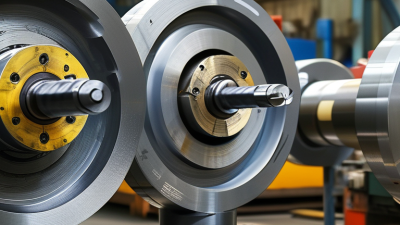
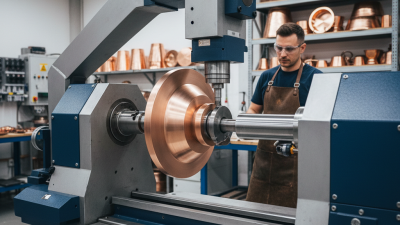
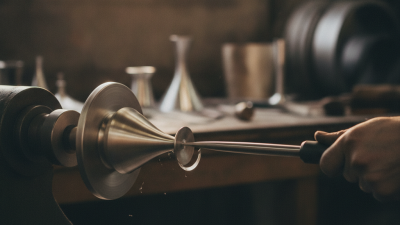
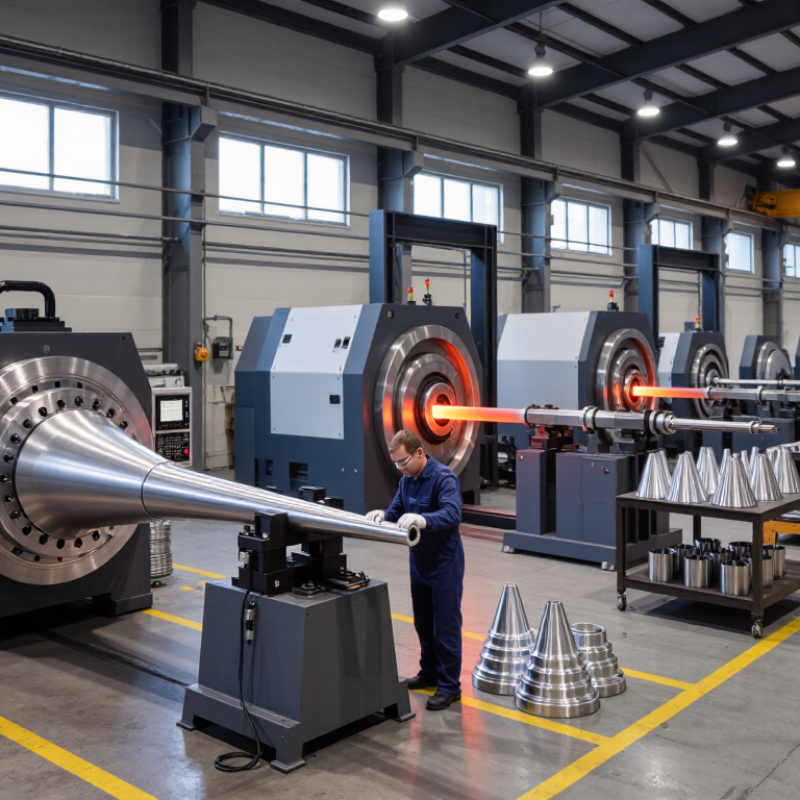
A hot spinning machine forms round metal parts by pressing a heated blank over a rotating mandrel. The blank may be a disk or preformed shell. As the mandrel turns, one or more rollers move along a planned path. They apply steady pressure, stretching and thinning the material without cutting it away. Heat lowers forming resistance and helps create deeper shapes. The process suits cones, domes, tubes, and other axisymmetric components. Small temperature changes matter.
For 2026 purchasing, study the complete working cycle, not only maximum force. A reliable machine should coordinate spindle speed, roller feed, heating, lubrication, and measurement. Closed-loop sensors can track temperature, load, position, and wall thickness during production. This feedback helps reduce wrinkles, cracks, uneven thinning, and unstable dimensions. Check mandrel size, roller travel, usable diameter, heating range, and control resolution. In shop trials, sample parts often reveal weaknesses that brochures hide. Still, trial results can mislead if the material condition is inconsistent.
Tips:
Test the exact alloy, thickness, and shape you will produce. Record heating time and surface temperature. Ask operators to inspect tool alignment before each run. Leave room for mistakes. A slightly slower cycle may produce better walls and fewer repairs. Do not ignore cooling and guarding. They affect both dimensional stability and daily safety.
Which Safety, Control, and Maintenance Features Matter
Choosing a hot spinning machine in 2026 means examining safety controls before production speed. OSHA has estimated that machinery causes about 18,000 amputations and 36,000 serious injuries annually in the United States. That figure makes guarding more than a purchasing checkbox. Look for fully enclosed rotating zones, interlocked doors, thermal shields, and clearly reachable emergency stops. The control system should show spindle speed, forming force, blank temperature, and alarm history. I would not trust a glossy touchscreen alone.
ISO 12100 recommends identifying hazards through the machine’s complete life cycle, including cleaning and maintenance. Ask whether technicians can isolate electrical, hydraulic, pneumatic, and thermal energy through a documented lockout procedure. A machine that cools slowly needs visible temperature status, not a hidden warning. Maintenance access should be practical, with inspection points near bearings, belts, lubrication lines, and tooling. If every check requires removing heavy panels, workers may postpone it.
The U.S. Bureau of Labor Statistics recorded 5,283 fatal occupational injuries in 2023, reinforcing the value of disciplined controls and training. Require event logging, password-controlled settings, guarded reset functions, and remote diagnostics that do not bypass local safety devices. Test emergency stops during acceptance trials. Test them again after installation. My own caution is simple: predictive monitoring can detect vibration changes, but it cannot repair poor housekeeping or rushed setup. Ask operators to demonstrate a fault recovery, not merely describe it.
How to Choose a Hot Spinning Machine in 2026
Which safety, control, and maintenance features matter most?
The selection weights represent a practical engineering priority model for hot spinning equipment. Safety features should support risk reduction in line with ISO 12100 and ISO 13849-1, while control and maintenance features should improve process repeatability, diagnostic visibility, uptime, and safe access.
How to Evaluate Costs, Suppliers, and Long-Term Value
Choosing a hot spinning machine in 2026 starts with the full cost, not the purchase quote. In plant evaluations, I compare machine price, installation, tooling, energy use, labor, and planned maintenance. A lower quote can hide a costly heater, weak insulation, or specialized spare parts. Ask for a written five-year cost model. Include output per hour, electricity rates, rejected parts, and service visits. Use your own production data whenever possible.
Supplier quality matters as much as machine design. Request test results using your actual alloy, diameter, wall thickness, and target speed. Watch a live forming cycle, then inspect the finished part under normal lighting. Ask how quickly technicians respond and where critical parts are stocked. Check training, manuals, software updates, safety documents, and warranty exclusions. Speak with at least two current users. Their comments may reveal delays that a sales presentation will not.
Long-term value depends on stable performance. A machine that holds temperature within a narrow range can reduce variation and rework. Easy access to bearings, sensors, and heating elements can shorten downtime. Confirm whether common components can be sourced locally. Calculate the cost of one idle shift. It may change your decision. I still leave room for doubt: projected savings often look precise, while maintenance behavior changes after installation. Build a conservative case with slower output and higher service costs. A supplier willing to discuss these weaknesses is usually more dependable than one promising perfect results.