How to Optimize the Spinning Metal Process for Global Buyers?
In the competitive landscape of global manufacturing, mastering the Spinning Metal Process becomes crucial. Renowned expert Dr. Linda Meyers, a veteran in metal forming technology, emphasizes, "Optimization in the Spinning Metal Process can lead to significant cost savings and enhanced product quality." This highlights the importance of refining techniques to meet international standards.
Companies often overlook the nuances of the Spinning Metal Process, leading to inefficiencies. For instance, improper temperature control can result in material defects. It's essential to identify such pitfalls to improve overall productivity. Streamlining operations is not just about speed; it's also about precision and consistency.
Furthermore, staying updated with the latest technologies can transform traditional practices. Many firms still rely on outdated methods, failing to leverage advancements that can enhance their operations. Reflecting on current strategies is vital for any manufacturer aiming for long-term success in the Spinning Metal Process.
Understanding the Basics of Spinning Metal Processes for Global Buyers
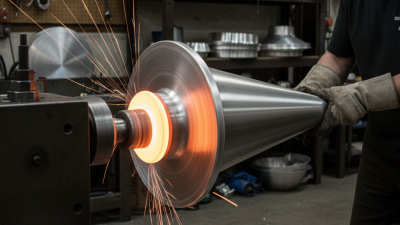
Spinning metal processes play a crucial role in manufacturing. Understanding the fundamentals is essential for global buyers looking to optimize procurement strategies. These processes involve shaping metal into precise forms through rotation. The materials used vary, impacting the quality and price. Knowledge of material properties helps buyers make better decisions.
Traditionally, spinning includes techniques like shear force and centrifugal force. Each method has advantages and drawbacks. For instance, while certain methods produce high accuracy, they may also lead to greater material waste. In contrast, less precise techniques can minimize waste but compromise on quality. Evaluating these trade-offs is vital for buyers seeking reliability.
Buyers should also consider the technological advancements in metal spinning. Innovations improve efficiency and product quality. However, it's important to recognize the learning curve such technologies present. Investing in training or skilled labor pays off in the long run. Reflecting on past projects may reveal insights for future endeavors, leading to better outcomes.
Identifying Key Factors Affecting Spinning Metal Quality and Efficiency
When optimizing the spinning metal process, identifying key factors that affect quality and efficiency is crucial. Temperature control plays a significant role in metal spinning. Research indicates that an optimal temperature can enhance material malleability, resulting in smoother surfaces. A study by the International Journal of Advanced Manufacturing Technology found that maintaining working temperatures within specific ranges can improve dimensional accuracy by up to 15%.
Another important factor is tool design. Using advanced materials for tools can increase durability and performance. For instance, tungsten carbide tools last longer than standard options, minimizing downtime. A report by the European Metalworking Federation highlighted that the right tool geometry can reduce cutting forces significantly. This results in less wear and better finish quality, making it essential to evaluate tool selection carefully.
Lastly, operator skill should not be underestimated. Experienced operators can adjust parameters in real-time, leading to better outcomes. However, many companies face challenges in training workers adequately. The lack of skill can lead to defects that negatively impact production. On average, a 30% defect rate is reported in plants with less experienced staff. Continuous training and knowledge-sharing practices can help mitigate this issue. Investing in workforce development is key to enhancing spinning metal processes.
Evaluating Material Selection for Optimized Spinning Metal Outcomes
Material selection plays a crucial role in optimizing the spinning metal process. The right materials can enhance both product quality and production efficiency. According to a report by the Metal Forming Institute, using high-quality alloys can improve strength and reduce defects by up to 30%. Selecting the proper alloy not only increases yield but also decreases waste.
Additionally, the choice of surface treatments can further enhance the performance of spun metals. An industry analysis shows that specific coatings can boost corrosion resistance by 40%, extending the lifespan of the final product. However, it's important to note that not all treatments are universally beneficial. Some may lead to unintended consequences, such as increased brittleness.
Buyers should also consider the environmental impacts of their material choices. The Global Metals Association indicates that using recycled metals can reduce carbon emissions by approximately 70%. While sourcing sustainable materials is beneficial, it's essential to balance it with performance requirements. This approach reflects the intricate relationship between material properties and operational efficiency in metal spinning.
Implementing Advanced Technologies in Spinning Metal Processes
Advanced technologies are transforming the spinning metal process, enhancing efficiency and quality. Automation plays a key role. By integrating robotics, manufacturers can improve precision in metal shaping. This reduction in human error leads to better product consistency and reduced waste.
Investing in data analytics is crucial. Real-time monitoring helps identify inefficiencies. Techniques like predictive maintenance can prolong equipment life and prevent unexpected downtimes. The data gained can also guide design modifications to optimize processes further.
Incorporating sustainable practices is another area worth exploring. Using eco-friendly materials is essential. Some buyers are now prioritizing suppliers with green certifications. This not only meets consumer demand but also promotes industry responsibility. Embracing advanced technologies offers tangible benefits, yet careful evaluation is needed to ensure long-term viability.
Establishing Quality Control Measures for Global Spinning Metal Buyers
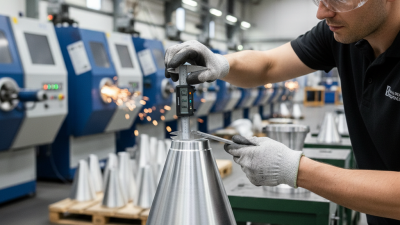
Quality control is essential for global spinning metal buyers. In an industry that relies heavily on precision, ensuring the integrity of the spinning process is critical. One vital measure is to establish standardized inspection protocols at various stages. This includes evaluating raw materials, monitoring the spinning process, and conducting final product assessments. By setting clear benchmarks, companies can identify discrepancies early, thus reducing waste and enhancing product reliability.
Another key aspect is employee training. Manufacturers must invest in programs that reinforce best practices in quality assurance. Workers should be familiar with the latest technologies and techniques in spinning metal. Regular workshops and hands-on sessions can help maintain high standards. However, it's important to recognize that training is not a one-time event. Continuous learning and adaptation to emerging challenges are crucial.
Collaboration with suppliers can also play a vital role. Open communication fosters a better understanding of quality expectations on both sides. Yet, relying solely on external suppliers may lead to inconsistencies in quality. Regular audits and feedback loops help bridge any gaps that may arise. The journey to optimizing spinning metal processes requires constant evaluation and recalibration to meet ever-changing global standards.
How to Optimize the Spinning Metal Process for Global Buyers? - Establishing Quality Control Measures for Global Spinning Metal Buyers
| Parameter |
Target Value |
Measurement Unit |
Current Value |
Quality Control Method |
| Spin Speed |
3000 |
RPM |
2800 |
Regular Monitoring |
| Material Thickness |
0.5 |
mm |
0.55 |
Laser Measurement |
| Temperature |
150 |
°C |
155 |
Thermal Imaging |
| Surface Finish |
Ra 0.8 |
μm |
Ra 1.0 |
Surface Profilometry |
| Yield |
95 |
% |
90 |
Statistical Process Control |