What is the Spinning Forming Process and Its Benefits?
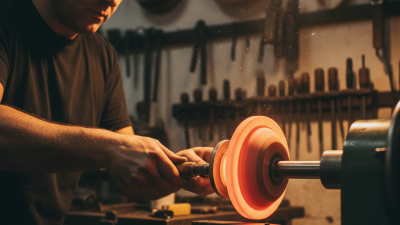
The Spinning Forming Process is a remarkable technique in manufacturing. This process involves rotating a workpiece at high speed while shaping it through various tools. The result is a precise and uniform product, often with superior mechanical properties. Industries worldwide benefit from this innovative method.
One key advantage of the Spinning Forming Process is its ability to produce complex shapes efficiently. It significantly reduces material waste compared to traditional methods. Additionally, the process is adaptable, allowing for various materials to be used, from metals to plastics. This flexibility can lead to significant cost savings.
However, the Spinning Forming Process requires skilled operators and can involve a learning curve. There may be challenges in achieving the desired accuracy, particularly with intricate designs. Continuous improvement and expertise are essential. As industries evolve, the potential of the Spinning Forming Process will likely grow, proving its value in modern manufacturing.
What is Spinning Forming: An Overview of the Process
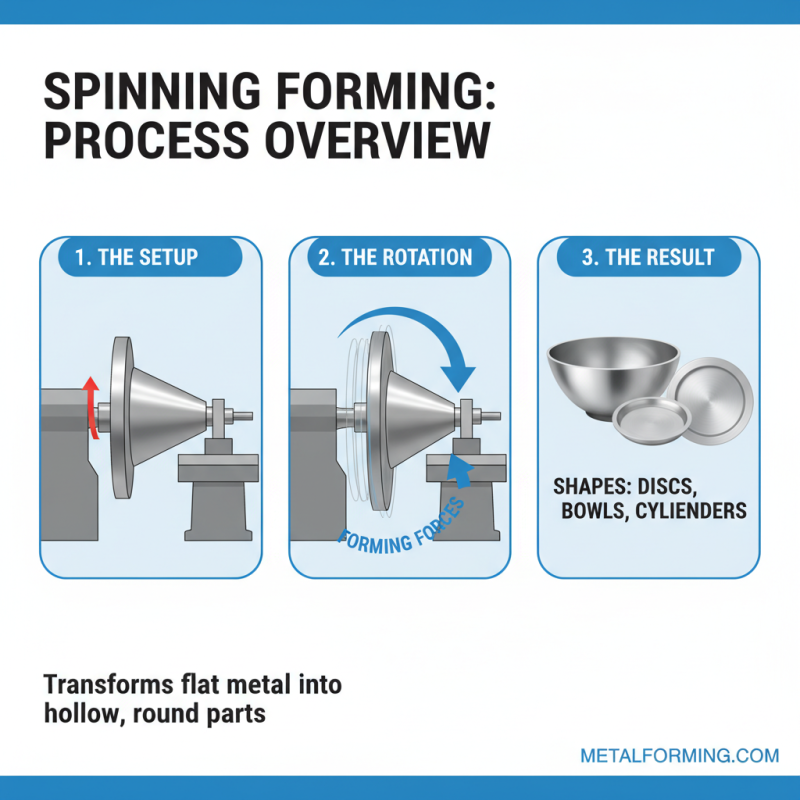
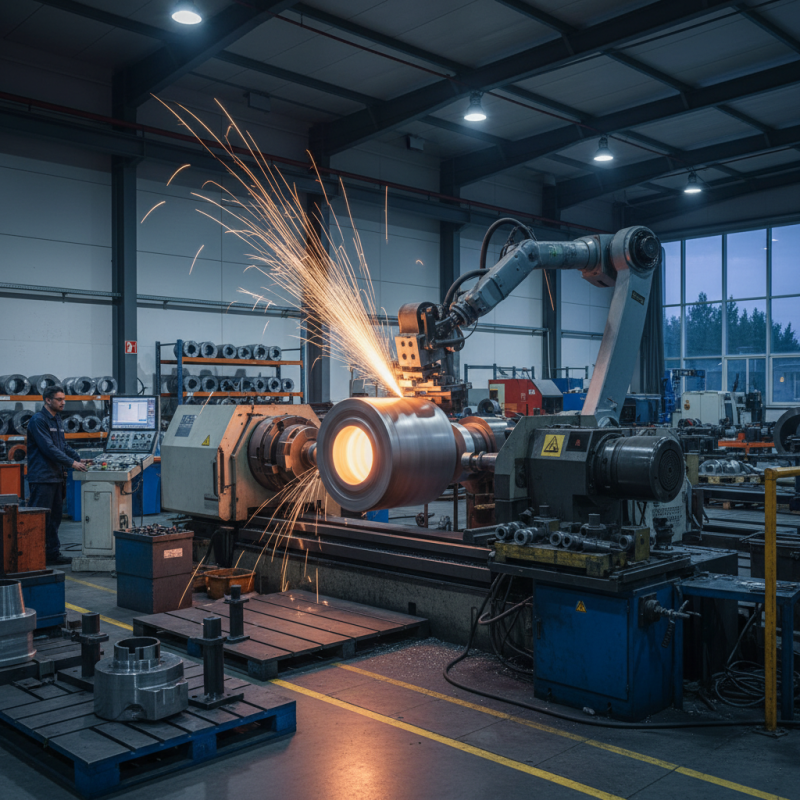
Spinning forming is a unique metalworking process. It involves rotating a metal disc or cylinder over a stationary mold. The rotation creates forces that shape the metal into desired forms. This method is widely used in producing parts like discs, bowls, and other cylindrical components.
According to recent industry reports, spinning forming can reduce material waste by up to 40%. This efficiency is significant in industries where resource conservation is critical. The process also provides excellent surface finishes, often requiring minimal additional machining. A study by the Manufacturing Technology Centre noted that parts produced using spinning can demonstrate improved mechanical properties, such as increased strength and toughness.
Despite its advantages, spinning forming has limitations. Not all materials are suitable for this process. Certain alloys may not perform well during spinning. Additionally, achieving precise tolerances can be challenging. These factors require careful consideration when choosing this method. Hence, manufacturers must weigh the benefits against potential drawbacks to determine if spinning forming is the right choice for their projects.
Key Techniques Used in Spinning Forming
The spinning forming process is a notable technique in metalworking. It involves the plastic deformation of materials into cylindrical shapes. This method is favored for its efficiency and versatility. Key techniques used in spinning forming include solid spinning, also known as conventional spinning, and flow forming. Solid spinning is typically employed for shapes with minimal wall thickness. Flow forming, on the other hand, allows for improved material properties and tighter tolerances.
In a recent industry report by SME, it was noted that spinning forming can achieve up to 90% material utilization. This is significantly higher than many traditional machining processes, which often lead to considerable waste. Consequently, industries can save costs while promoting sustainability. However, the process demands skilled operators to handle the intricacies of varied materials. This necessitates ongoing training and development in the workforce.
Tips: Always monitor the temperature during the spinning process. Overheating can compromise material integrity. Regular inspections of tooling are essential to ensure precision. Small wear issues can escalate into larger problems if neglected. Evaluating the material's properties before forming is crucial. Testing can reveal hidden flaws that might affect the outcome.
Advantages of the Spinning Forming Process for Manufacturing
The spinning forming process is a versatile manufacturing technique. It involves rotating a material around an axis to shape it into desired geometries. This method predominantly works with metals, and its precision can be remarkable. The benefits it offers are noteworthy, particularly in terms of efficiency and material utilization.
One of the main advantages of spinning is reduced waste. Unlike traditional methods that cut or grind materials, spinning manipulates existing resources. This approach not only saves materials but also reduces costs. The finished products often have smoother surfaces, which minimizes the need for further processing. Additionally, it allows for the creation of complex shapes that may be difficult to achieve with other methods.
Another aspect worth considering is the speed of production. Spinning can produce parts more quickly than some alternative techniques. However, achieving the right balance in speed and quality can be a challenge. While many industries can benefit from this method, understanding the intricacies is essential. The need for skilled operators adds a layer of complexity. Implementing this technique requires careful planning and expertise, as mistakes can undermine the potential advantages.
What is the Spinning Forming Process and Its Benefits?
| Dimension |
Description |
Benefit |
| Material Types |
Metals, plastics, and composites can be spun. |
Versatile for multiple manufacturing applications. |
| Thickness Control |
Precise control over wall thickness is achievable. |
Reduced material waste and improved product quality. |
| Production Efficiency |
Quick setup and high-speed production capabilities. |
Shorter lead times and lower manufacturing costs. |
| Shape Complexity |
Can produce complex shapes that are difficult to fabricate. |
Increased design freedom for engineers and designers. |
| Surface Finish |
Smooth surface finish is achievable with minimal processing. |
Reduces the need for secondary finishing operations. |
Applications of Spinning Forming Across Industries
The spinning forming process has broad applications across various industries. This manufacturing technique is essential in sectors such as aerospace, automotive, and medical device production. For example, in aerospace, it is used to create lightweight, strong components. These components often improve the overall efficiency of aircraft. The unique ability to create shapes without waste makes spinning both economical and efficient.
In the automotive industry, spinning forming helps produce parts like wheel rims and housings. These components require high strength and precision. Spinning allows manufacturers to achieve tight tolerances. In medical devices, this process aids in producing intricate shapes needed for specific functions. However, some challenges exist. The learning curve can be steep, and skilled labor is required. Not all manufacturers have the resources to implement this process effectively.
Despite these hurdles, the benefits remain clear. Industries reap the rewards of improved material usage and reduced production costs. The growing interest in sustainable manufacturing highlights spinning's potential. Future developments could further enhance its applications across various sectors.
Future Trends and Innovations in Spinning Forming Technology
The spinning forming process is rapidly evolving. New technologies are emerging, enhancing its effectiveness and efficiency. One notable trend is the integration of digital manufacturing techniques. These innovations allow for real-time monitoring and adjustments during the spinning process. The result is improved precision and reduced waste in materials.
Additionally, advances in materials science are influencing spinning forming technology. Researchers are exploring lightweight composites and more durable metals. These materials can withstand higher stresses and temperatures, expanding applications in various industries. Industries such as aerospace and automotive are particularly interested. They require solutions that offer both strength and weight efficiency.
However, challenges remain. The cost of implementing new technologies can be prohibitive for small manufacturers. Many companies also struggle to find skilled workers trained in these advanced methods. Ongoing education and training are crucial for the future success of spinning forming technology. As the industry matures, these issues will need to be addressed to fully realize its potential.