Top 10 Metal Spinning Shops in China for Global Buyers?
In recent years, China has emerged as a crucial hub for metal spinning. Global buyers increasingly seek out reliable metal spinning shops to meet their production needs. The quality of these shops varies widely, influenced by technology, expertise, and materials used.
Understanding the landscape of metal spinning shops in China can be challenging. Many businesses claim to offer superior services, but not all live up to their promises. Buyers must conduct thorough research to identify partners that prioritize quality and efficiency.
Experience and craftsmanship play significant roles in this industry. A skilled metal spinning shop can create customized solutions, ensuring that clients receive exactly what they need. However, communication barriers and cultural differences may hinder collaboration. It's essential for buyers to approach this search with a critical mindset, aiming to build relationships with shops that demonstrate reliability and integrity.

Top Metal Spinning Industry Overview in China: Market Insights
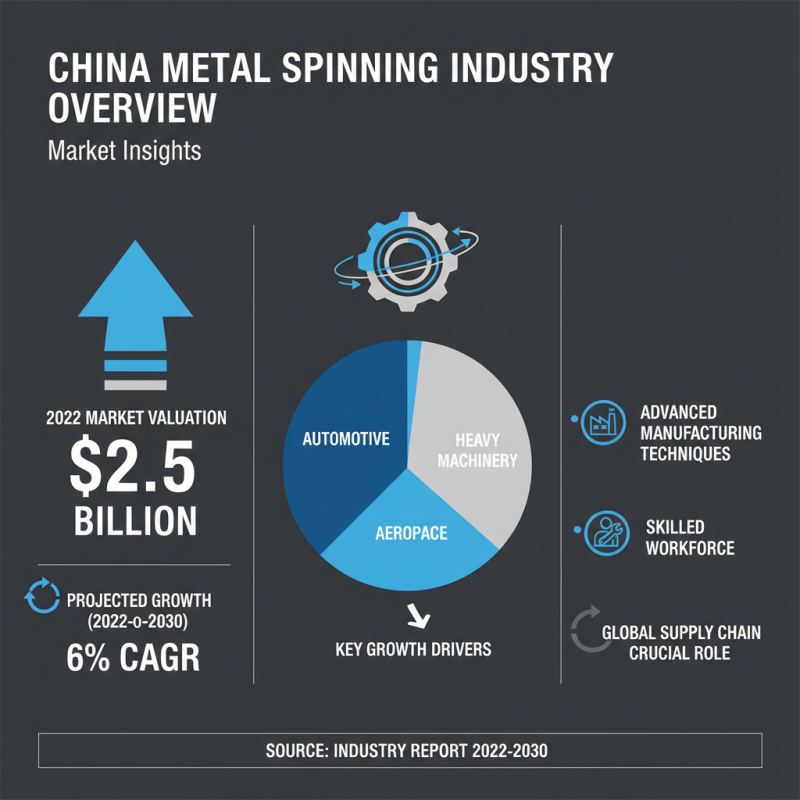
The metal spinning industry in China plays a crucial role in the global supply chain. In 2022, the market valuation was approximately $2.5 billion, projected to grow at a compound annual growth rate (CAGR) of 6% through 2030. This growth is driven by demand in automotive, aerospace, and heavy machinery sectors. China's advanced manufacturing techniques and skilled workforce contribute significantly to this surge.
Metal spinning offers versatility in producing complex shapes from various materials. Aluminum, steel, and copper are common, each serving specific applications. A report shows that 40% of metal spinnings are used in the automotive industry, highlighting its vital importance. However, challenges persist. Quality control remains a concern, with inconsistent practices across various shops. Buyers often experience varying results which could hinder their production schedules.
Furthermore, sustainability is becoming increasingly important. Many shops are now exploring eco-friendly practices. Yet, the industry still grapples with high energy consumption and waste management issues. As global buyers seek reliability, they must remain vigilant in evaluating these factors when choosing suppliers in China.
Key Factors Driving the Growth of Metal Spinning Shops in China
The metal spinning industry in China is witnessing significant growth. Several key factors contribute to this trend.
First, advancements in technology have improved production efficiency. New machinery reduces errors and enhances precision. This attracts global buyers seeking
high-quality components.
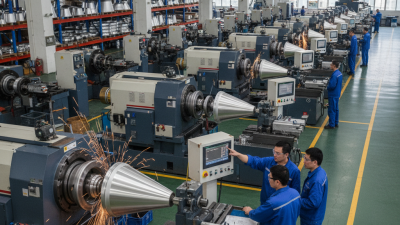
Further, the skilled workforce in China plays a crucial role. Many technicians receive extensive training in metalworking. Their expertise ensures that products meet international standards.
However, a challenge remains in maintaining quality amidst rapid expansion. Some smaller shops struggle to keep up with demand and consistency.
Cost-effectiveness is another driving force. China offers competitive pricing due to lower labor costs. This makes it an attractive source for global buyers looking for affordable solutions. Yet, this cost advantage can sometimes come
at the expense of quality. A balance between price and reliability is essential for sustained growth in this sector.
List of Leading Metal Spinning Companies: Capabilities and Specialization
Metal spinning is a crucial manufacturing process in various industries, including aerospace and automotive. Knowing which companies excel in this field can help buyers make informed decisions. Many Chinese companies specialize in metal spinning, offering diverse capabilities and unique specialization.
These organizations feature advanced machinery. They can produce intricate shapes from various metals, including aluminum, steel, and titanium. The artistry in metal spinning is evident in their ability to handle both small and large production runs. Some shops excel in custom designs, while others focus on high-volume production. It's essential to identify a company's strengths to determine if they meet your project's needs.
However, not all companies deliver the same level of quality. Some may struggle with precision or consistency. Buyers should seek out reviews and testimonials. A company's reputation reflects its expertise. Visiting facilities for a firsthand look can also provide insight. It helps to ensure that the chosen partner aligns with quality expectations and industry standards.
Metal Spinning Capabilities of Leading Shops in China
Quality Standards and Certifications for Metal Spinning in China
When exploring metal spinning in China, quality standards and certifications play a crucial role. Many factories prioritize international certifications like ISO 9001. This standard ensures consistent quality management across operations. Compliance with such standards reflects a commitment to high-quality production.
China's metal spinning shops often seek additional certifications. CE marking is one example, widely recognized in the European market. It indicates that products meet specific safety and environmental requirements. However, not all manufacturers pursue these certifications. This can lead to inconsistencies in product quality. Global buyers should conduct thorough research before partnerships.
Transparency in manufacturing processes is essential. Buyers must ask for documentation regarding quality checks and material sources. Some shops might not disclose this information. It's vital to engage directly with suppliers for clarity. Regular audits can also help ensure adherence to standards. While many shops maintain high quality, not all do. Caution and due diligence are necessary for successful collaborations.
Export Trends: Global Demand for Chinese Metal Spinning Products
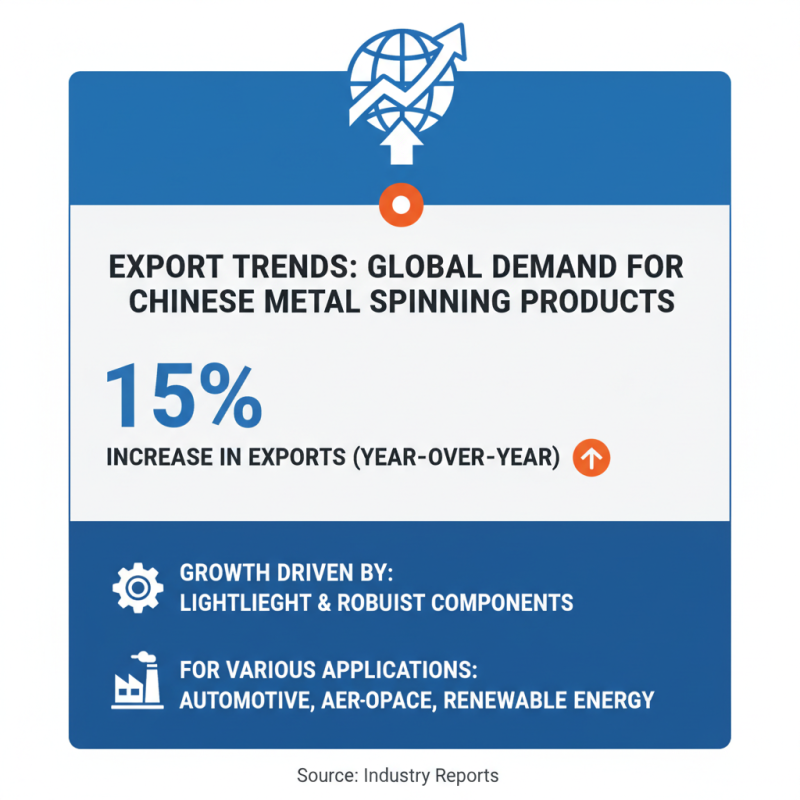
China's metal spinning industry is witnessing a surge in global demand. According to recent industry reports, exports of metal spinning products have increased by 15% year-over-year. This growth reflects the rising interest in lightweight and robust components for various applications.
Manufacturers in China excel in producing precision-formed components. They support industries like aerospace, automotive, and electronics. In 2022 alone, Chinese metal spinning factories shipped over $200 million worth of products globally. The demand for these high-quality components continues to rise, indicating a thriving market.
However, challenges persist. Quality control remains an area for improvement. Some manufacturers struggle with inconsistent product standards. Buyers must conduct thorough vetting to ensure reliability. Understanding these dynamics is crucial for global buyers seeking quality metal spinning products from China.