Leave Your Message

What is Tube Spinning and How to Source It Globally?

Tube Spinning is a specialized manufacturing process that shapes metal tubes into complex forms. This technique is gaining traction across various industries, thanks to its efficiency and versatility. According to industry expert Dr. Mark Henson, “Tube Spinning allows for high precision and reduced waste, making it ideal for modern production needs.” His insights reflect a growing acknowledgment of the advantages this process offers.

Sourcing Tube Spinning capabilities globally can be daunting. Businesses often struggle to find reliable partners. Each region may have different levels of expertise in this craft. It's crucial to vet suppliers carefully. Understanding their technology and quality control measures is vital. Additionally, communication barriers might hinder the sourcing process, making it even trickier.

The demand for Tube Spinning continues to rise, driven by industries seeking sustainable solutions. Yet, challenges remain. Not all suppliers meet stringent quality standards. Companies must remain vigilant in their partnerships. Reflecting on past sourcing experiences can guide better decision-making. As the industry grows, so does the need for innovation and collaboration in Tube Spinning.
What is Tube Spinning and How to Source It Globally?

What is Tube Spinning?

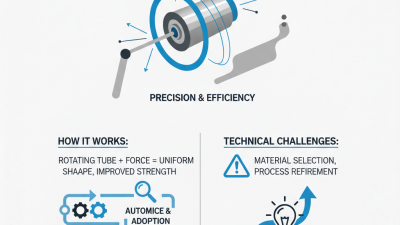
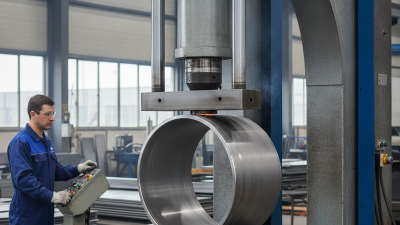
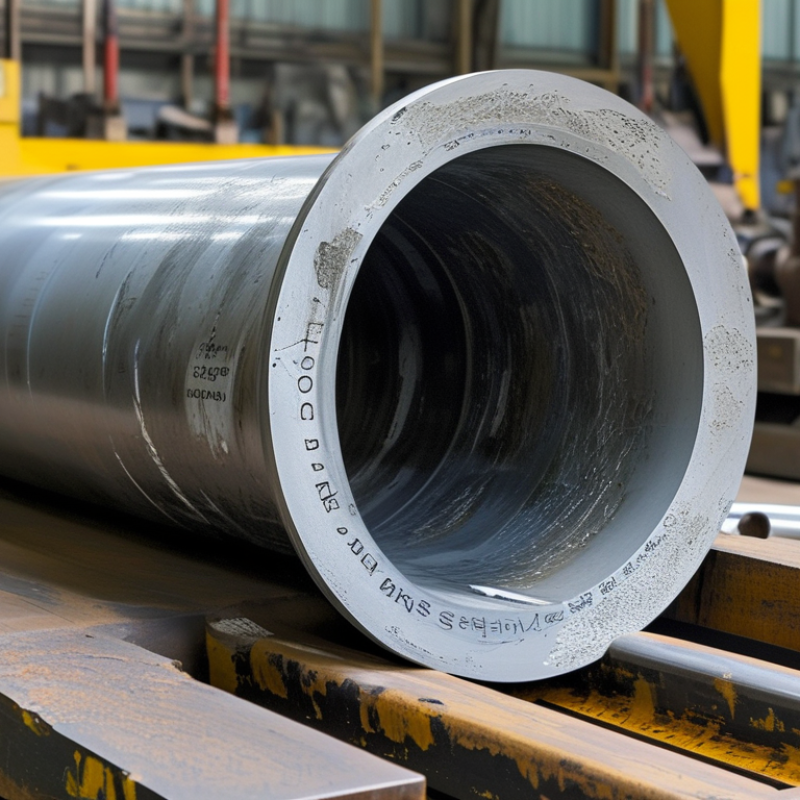
Tube spinning is a metal forming process used to create cylindrical shapes. The process involves rotating a tube while applying pressure, which causes the material to plastically deform. Skilled operators use tools to shape the metal precisely. This technique is used for manufacturing components in various industries, including automotive and aerospace.

The efficiency of tube spinning lies in its ability to produce parts with uniform thickness and strength. It often results in less waste compared to traditional machining methods. However, not every material is suitable for tube spinning. Factors such as the tube's wall thickness and alloy composition play a crucial role in the success of the process.

Despite advancements, tube spinning can have its challenges. Operators may face difficulties achieving exact dimensions or surface finishes. Regular training is essential for workers to refine their skills. Continuous evaluation of the tooling and machinery can lead to improved output quality. Understanding these nuances is key to enhancing the reliability of tube spinning in manufacturing.

What is Tube Spinning and How to Source It Globally? - What is Tube Spinning?

Dimension Description Applications Materials Used Key Benefits
Process Type Metal forming technique where a tube is rotated and shaped over a die. Automotive parts, aerospace components, HVAC tubes. Aluminum, stainless steel, copper. High strength, thin walls, reduced waste.
Common Dimensions Diameter ranging from 10mm to 100mm; length up to 3m. Structural applications, fluid transport systems. Carbon steel, alloy steel. Cost-effective mass production, custom shapes.
Global Sourcing Procurement of tube spinning services from international manufacturers. Export/Import for specialized industries. Various as per manufacturing capabilities. Access to advanced technologies, competitive pricing.
Quality Standards Industry-specific certifications like ISO, ASTM. Critical components for regulated industries. Depending on certifications required. Assured compliance, enhanced reputation.

Understanding the Process and Techniques of Tube Spinning

Tube spinning is a highly specialized manufacturing process. It involves transforming tubular metal into various shapes. This technique uses rotational force to reshape the metal. It is essential for creating precise, lightweight components in industries like aerospace and automotive.

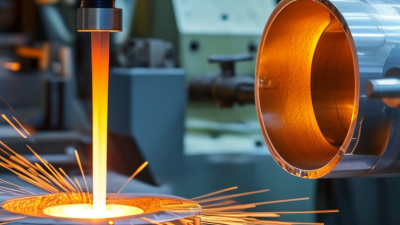
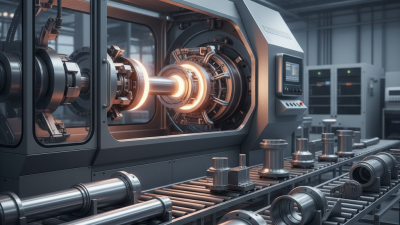
The process begins with feeding a metal tube into a spinning machine. A spinning tool then applies pressure while the tube rotates at high speed. This creates intricate shapes and custom designs. Each piece is unique, often requiring experienced operators. Precision is crucial, and every detail counts.

Sourcing tube spinning services globally can be challenging. It's vital to find suppliers with expertise and a proven track record. Evaluating their capabilities takes time. Communication and quality assurance are also significant factors. Work closely with potential suppliers to ensure they understand your requirements. Regular feedback helps in refining the final product. Some practitioners may overlook the importance of continuous improvement. This reflection can lead to better outcomes in future projects.

Applications and Advantages of Tube Spinning in Various Industries

Tube spinning is gaining traction across various industries due to its unique applications and advantages. This process involves forming metal tubes through rotational deformation, producing strong, lightweight components. According to a report by the International Journal of Metal Forming, tube spinning can reduce material waste by up to 20% compared to traditional methods. The aerospace sector benefits significantly, where every gram counts. Precision and strength are essential in this industry. Components made through tube spinning are often used in critical applications, such as landing gear and structural parts.

In the automotive industry, tube spinning contributes to manufacturing efficient exhaust systems. Lighter and stronger tubes enhance vehicle performance while complying with stringent emissions standards. The process allows for intricate designs that traditional metalworking cannot achieve. A study from the Society of Automotive Engineers highlighted that incorporating tube-spun components can lead to a 15% weight reduction, translating to improved fuel efficiency. However, implementing tube spinning requires skilled technicians, which can be a challenge for manufacturers.

The medical field has also adopted tube spinning for creating implants and surgical instruments. Biocompatibility and precision are vital, and tube spinning meets these requirements effectively. Various reports indicate a rise in demand for customized medical devices, pushing manufacturers to explore innovative production methods. Despite its advantages, the initial setup costs can deter smaller businesses from adopting this technology. Balancing investment with potential rewards requires careful consideration and planning.

Applications and Advantages of Tube Spinning in Various Industries

Key Considerations for Sourcing Tube Spinning Services Globally

Sourcing tube spinning services globally requires careful consideration of multiple factors. The first aspect is quality assurance. According to industry reports, 75% of companies state that quality control significantly impacts their sourcing decisions. Establishing partnerships with reputable manufacturers is essential. This can involve checking certifications and compliance with international standards, such as ISO 9001.

Cost efficiency is another key consideration. Price variances for tube spinning services can range dramatically based on location. A study from the International Manufacturing Institute suggests that sourcing from emerging markets can reduce costs by up to 40%. However, this should not compromise quality. It’s crucial to evaluate the trade-off between price and reliability.

Communication and collaboration are vital in global sourcing. Misunderstandings can arise due to cultural differences and time zones. A survey indicates that 60% of companies faced challenges in coordination. Regular updates and clear expectations can mitigate these issues. Engaging with suppliers who prioritize transparency fosters a more trustworthy relationship that benefits both parties.

Tips for Finding Reliable Tube Spinning Manufacturers and Suppliers

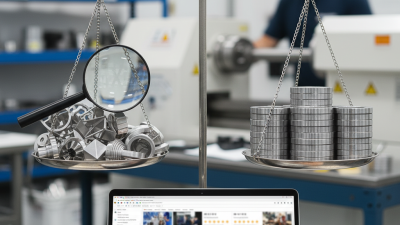
Finding reliable tube spinning manufacturers and suppliers requires thorough research. Start by identifying potential companies that specialize in tube spinning processes. Use industry directories and online platforms to narrow down your options. Focus on manufacturers with a solid reputation and positive reviews from past clients. This will help ensure their credibility and reliability.

Contact each supplier directly to inquire about their capabilities. Ask about their experience in the industry, as well as the materials they can work with. It is also essential to request information on their production methods and quality control processes. Keep an eye out for indications of craftsmanship, such as certifications or specialized equipment. A good supplier should be willing to share this information transparently.

Be mindful of cultural differences when sourcing globally. Communication may sometimes be unclear due to language barriers. Additionally, time zones can affect response times. Consider requesting samples before placing large orders. This can help you evaluate the quality and craftsmanship of the products. Evaluating multiple suppliers will provide insights and build trust with potential partners.