Discover the Benefits of Large Diameter Metal Spinning?
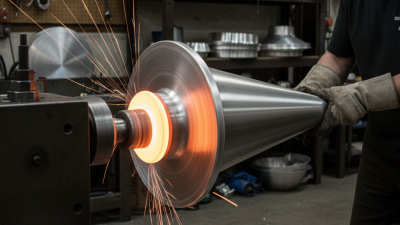
Large Diameter Metal Spinning is an innovative manufacturing process that has gained significant attention in various industries. This technique enables the production of large, high-quality metal components efficiently and cost-effectively. It combines precision engineering with the versatility of metal forming, providing manufacturers with new possibilities for designing complex shapes.
One notable advantage of Large Diameter Metal Spinning is its ability to create seamless parts. This not only enhances the structural integrity of the components but also reduces wastage of material. Industries such as aerospace and automotive benefit from these attributes, as they require components that are both lightweight and strong. However, not all applications are suitable for spinning. Some designs may still require traditional methods.
As technology advances, the capabilities of Large Diameter Metal Spinning continue to evolve. Utilizing advanced machinery and skilled craftsmen can lead to impressive results. Nevertheless, companies must reflect on their specific needs and evaluate if this method aligns with their production goals. This critical assessment ensures that manufacturers do not overlook better options available in the market.
Understanding Large Diameter Metal Spinning: An Overview
Large diameter metal spinning is a remarkable technique in manufacturing. This method allows for the shaping of metal sheets into intricate designs and forms. The flexibility of large diameter metal spinning accommodates various shapes, making it ideal for unique projects.
Expertise in this area is crucial. Metal spinning requires precision and skill, as the metal must be spun to high speeds. This speeds up the shaping process and enhances the strength of the product. The final result is often a lightweight yet durable item. However, achieving the perfect balance can be challenging. Variations in speed or pressure can lead to imperfections.
Understanding large diameter metal spinning can improve project outcomes. It opens up new possibilities in design and functionality. The ability to create specific geometries is advantageous for industries ranging from aerospace to architecture. Yet, one must reflect on the learning curve involved in mastering this process. Experience shapes the quality of the final product, making hands-on training invaluable.
Key Advantages of Using Large Diameter Metal Spinning in Manufacturing
Large diameter metal spinning is a process that offers numerous benefits in manufacturing. It allows for the creation of larger parts without sacrificing material quality. With this technique, manufacturers can achieve precision and uniformity in their products. Metal spinning is effective across various industries, from aerospace to automotive.
One key advantage of large diameter metal spinning is the reduction of material waste. Traditional machining methods often lead to excess material being cut away. Metal spinning, on the other hand, shapes the material, preserving more of it for production. This can lead to cost savings and a more sustainable manufacturing process.
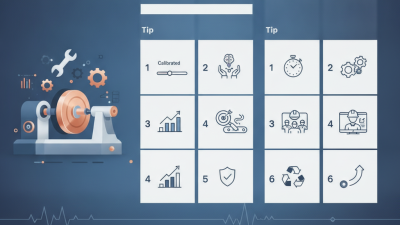
Tips: Consider the design complexity when planning your project. Simple shapes may reduce production time and costs. However, intricate designs can enhance the product's functionality. Evaluate the trade-offs carefully.
Another benefit is the ability to create seamless components. Large diameter metal spinning produces parts without seams, resulting in improved strength and durability. This feature is crucial in high-pressure applications like hydraulic systems.
Tips: Always conduct thorough testing on prototypes. While large diameter metal spinning yields quality products, imperfections can still arise. Identify potential weaknesses early on to ensure reliability. Focus on stringent quality control throughout production.
Applications of Large Diameter Metal Spinning in Various Industries
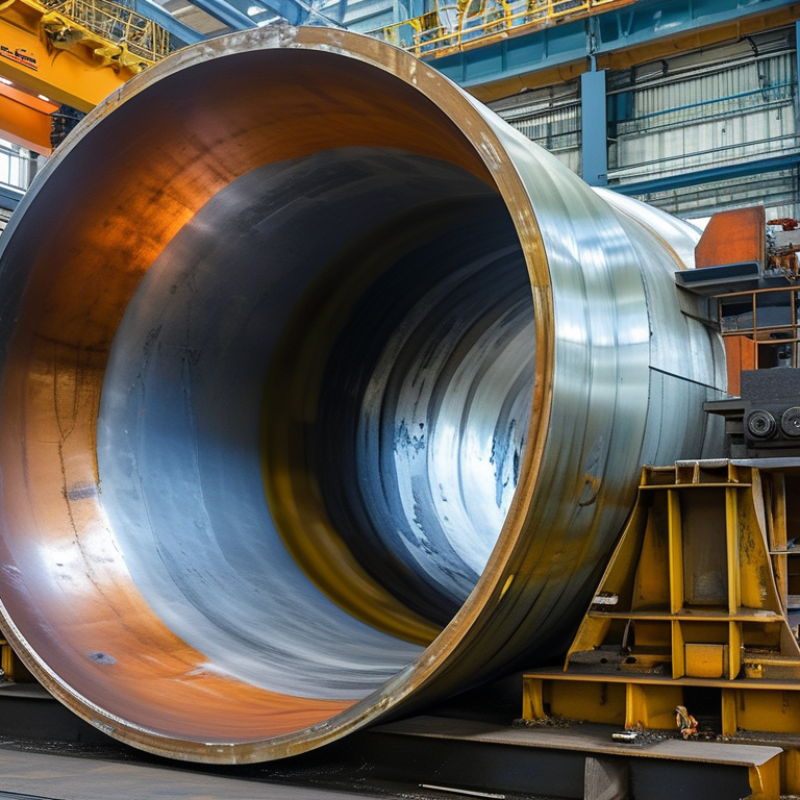
Large diameter metal spinning is a versatile technique used across various industries. It involves shaping metal into large, hollow components. This process is vital for sectors like aerospace, automotive, and energy. For instance, in aerospace, large-diameter parts are essential for aircraft structures. These components must be lightweight yet strong, making metal spinning a preferred method.
The automotive industry also benefits from large diameter metal spinning. Manufacturers create components like wheel rims and exhaust pipes. These parts often require high precision and durability, which metal spinning provides. Furthermore, in the renewable energy sector, such as wind turbines, large metal spun components are crucial. They form the hubs and casings that enhance efficiency.
While metal spinning offers many advantages, it is not without challenges. The process requires skilled operators to ensure quality. Inadequate training can lead to defects. Moreover, material selection plays a critical role in the success of projects. Choosing the wrong alloy can affect performance, leading to costly adjustments. Therefore, ongoing training and careful material sourcing are key for success in this field.
Comparative Analysis: Large Diameter Metal Spinning vs. Traditional Methods
Large diameter metal spinning is gaining traction in various industries, thanks to its efficiency and versatility. Compared to traditional manufacturing methods, this technique allows for faster production cycles. A recent industry report indicates that companies utilizing metal spinning can reduce lead times by up to 30%. This speed can significantly improve project timelines for large-scale components.
Moreover, metal spinning offers better material utilization. Traditional methods often result in considerable waste. In contrast, large diameter metal spinning minimizes scrap, capitalizing on nearly 90% of raw materials. This not only reduces costs but also aligns with sustainability goals. However, there are challenges. The technical skill required for effective metal spinning may limit its adoption in some regions.
Another critical factor is the strength of spun products. Reports show that parts produced through spinning exhibit superior strength-to-weight ratios. This property is crucial in industries like aerospace, where performance is paramount. On the flip side, precision control during the spinning process can be complex. Variability in technique can affect the final product's quality, necessitating skilled operators who understand these nuances. Balancing skill and technology is essential for maximizing benefits.
Discover the Benefits of Large Diameter Metal Spinning? - Comparative Analysis: Large Diameter Metal Spinning vs. Traditional Methods
| Feature |
Large Diameter Metal Spinning |
Traditional Methods |
| Production Speed |
Faster with reduced cycle time |
Slower, often with longer setup times |
| Material Waste |
Lower waste due to efficient material utilization |
Higher waste due to cutting and machining |
| Design Flexibility |
Highly flexible for complex shapes |
Limited to simpler shapes and forms |
| Cost-Effectiveness |
Generally lower costs for large runs |
Higher costs, especially for small batches |
| Surface Finish |
Superior surface finish with reduced need for additional processing |
Often requires additional finishing processes |
Future Trends in Large Diameter Metal Spinning Technology and Innovation
The landscape of large diameter metal spinning is evolving rapidly. Innovations in technology are transforming how manufacturers approach this unique process. In recent years, reports show a projected market growth of approximately 5% annually. This growth is driven by the increasing demand for large components in aerospace and automotive industries.
Advanced machine designs enable higher precision and efficiency. Automated systems are now common, allowing manufacturers to produce complex shapes with minimal human intervention. However, challenges remain. Skills shortages in the workforce can hinder production. A report from the Metal Spinning Association highlights that nearly 40% of companies struggle to find qualified personnel.
Sustainability is another trend reshaping this industry. Many manufacturers are investing in eco-friendly practices. Using recycled metals is becoming a standard. Data suggests that over 60% of companies are adopting green technologies. Yet, the transition may require significant upfront investment, posing a risk for smaller firms. Balancing innovation with practical implementation reflects the ongoing evolution in large diameter metal spinning.