How to Choose Large Diameter Metal Spinning for Your Project?
Choosing the right process for your project is critical. Large Diameter Metal Spinning is a specialized technique often utilized for creating cylindrical parts. According to industry expert Mark Thompson, "The right spinning method can significantly impact both quality and efficiency." This highlights the importance of informed decision-making.
In the world of manufacturing, precision is key. When working with Large Diameter Metal Spinning, you must ensure that you select a method that meets your project requirements. Each application has unique challenges. Factors such as material type, dimensions, and functional requirements need careful consideration.
Understanding the specifics of Large Diameter Metal Spinning can feel daunting. However, expertise in this area can lead to enhanced outcomes. Reflecting on your project’s goals will help in making the right choice. As with any specialized process, there are often areas for improvement and learning. Consider reaching out to professionals who have navigated similar projects for insights.
Understanding Large Diameter Metal Spinning and Its Applications
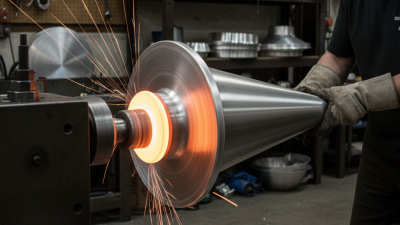
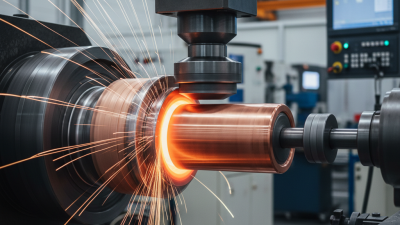
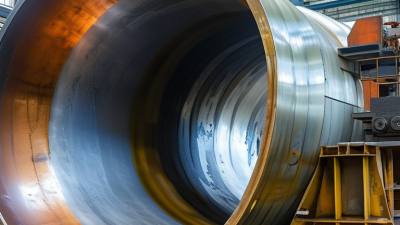
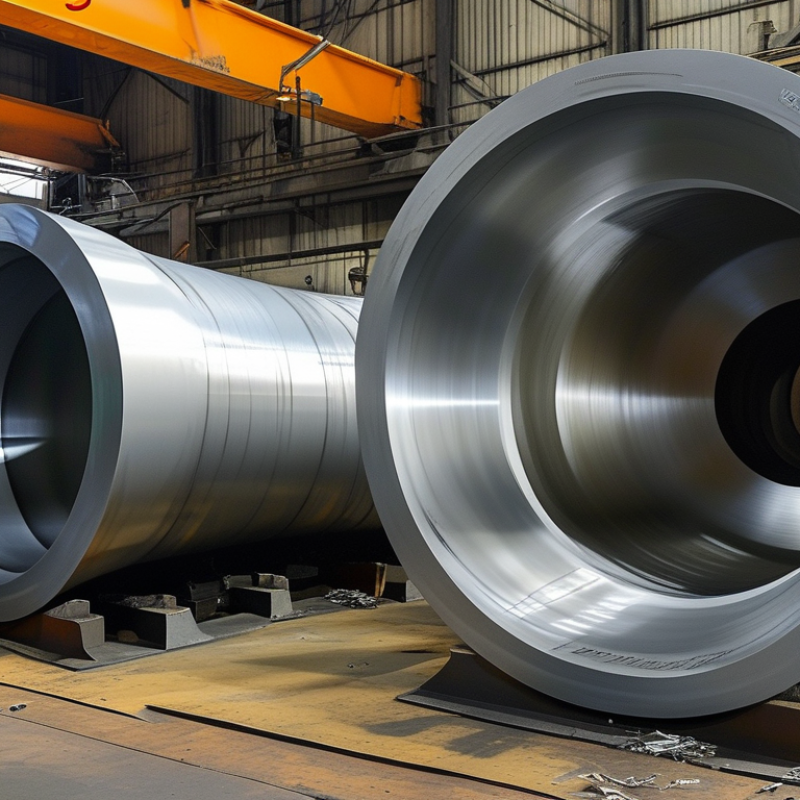
Large diameter metal spinning is a fascinating process widely used in various industries. It transforms sheet metal into seamless, intricate shapes by spinning it on a lathe. This method allows for the creation of large parts, like tanks and pressure vessels, with precision and strength. Each project requires careful consideration of material selection and the intended application.
Industries such as aerospace, automotive, and architecture frequently use large diameter metal spinning. The versatility of this technique enables the production of both functional and decorative components. However, challenges may arise in achieving the desired specifications and surface finish. Addressing these challenges requires expertise in design and manufacturing processes.
When approaching a project involving metal spinning, think about the end-use of the product. Engaging experienced professionals can help refine your design choices. It's essential to remain open to feedback and iterate on designs as needed. Reflection on previous projects can lead to better outcomes. Understanding these nuances is key to success in large diameter metal spinning.
Factors to Consider When Choosing Metal Spinning for Your Project
When selecting large diameter metal spinning for your project, several key factors come into play. Material selection is critical. Aluminum and stainless steel are common choices due to their strength and workability. Industry reports indicate that aluminum offers significant weight savings, making it ideal for aerospace applications. Stainless steel, on the other hand, provides excellent corrosion resistance, crucial for outdoor and marine environments.
Precision in design is another crucial element. The dimensions and specifications of your parts should align with project requirements. A study from the Metal Forming Association shows that accuracy in spinning processes can improve part performance by up to 25%. Understanding the tolerances required for your application helps ensure product reliability and reduces waste during production.
Finally, consider the experience of the manufacturer. A company with a track record in metal spinning brings valuable expertise. Their past projects can reveal insights into their capabilities. However, reliance on experience alone is problematic. Not all experienced manufacturers approach every project with the same diligence. Evaluating case studies or seeking client feedback can provide a clearer picture of their reliability. This meticulous assessment can significantly impact the success of your project.
Evaluating Material Options for Large Diameter Metal Spinning
When considering large diameter metal spinning, material choice is crucial. Different metals offer distinct properties. Aluminum, for instance, is lightweight and resistant to corrosion. Stainless steel, on the other hand, provides strength and durability. Each option has its own set of benefits that cater to different project needs.
Understanding the specifics of each material is essential. Consider the end-use for the spun product. Will it be subjected to extreme temperatures? If so, materials with higher thermal resistance should be prioritized. Additionally, the finish quality can affect aesthetics and functionality. Some metals require more complex fabrication processes, which can impact project timelines and costs.
One might encounter challenges during this decision-making process. Not all metals are equally suited for every project. A thorough evaluation of your project requirements against the properties of available materials is necessary. Seeking expert advice can provide further insight. Ultimately, balancing performance with cost-effectiveness remains an ongoing concern for many engineers and designers.
Material Options for Large Diameter Metal Spinning
Cost Analysis: Budgeting for Large Diameter Metal Spinning Services
When considering large diameter metal spinning, understanding the costs involved is crucial. The average cost of metal spinning services ranges from $50 to $150 per hour, depending on complexity and material. Budgeting effectively requires a comprehensive view of both direct and indirect costs.
Large diameter projects may require specialized tooling, which adds to the initial investment. Additionally, labor costs can vary significantly by region, affecting the overall budget.
Industry reports indicate that material selection also plays a key role in pricing. Aluminum and steel are common choices, with aluminum typically costing about 20% less than stainless steel. However, durability and application requirements might justify the higher material costs. Proper project specifications help in realistic budgeting, ensuring no unforeseen expenses arise. A detailed analysis can identify areas where cost efficiencies could be realized, leading to better outcomes.
Ultimately, large diameter metal spinning involves more than just material and design. It requires careful planning and financial foresight. Many projects face unexpected challenges that can impact timelines and budgets. Gathering quotes from multiple service providers can reveal significant pricing discrepancies, highlighting the importance of due diligence. Understanding these factors will not only prepare you for cost-related surprises but can also significantly enhance project success.
Selecting the Right Manufacturer for Your Metal Spinning Needs
When selecting a manufacturer for large diameter metal spinning, it is crucial to consider their expertise. A company with years of experience will have dealt with various projects. Their ability to adapt to specific needs can significantly affect the project outcome. Look for manufacturers who showcase their previous work. This provides insight into their skills and reliability.
Do not ignore the importance of communication. A responsive manufacturer is often more reliable. They should be open to discussing your ideas and offering suggestions. Providing clear insights into their process is essential. If they seem hesitant to share information, it may raise concerns about transparency.
Lastly, consider the manufacturer's quality assurance processes. Ask about their standards and inspections. Quality control should not be an afterthought. It is vital to ensure the end product meets your specifications. A good manufacturer will have defined protocols in place. If they cannot provide this, reflect on whether they are the right choice for your project.