How to Master the Art of Spinning Steel Safely and Effectively?
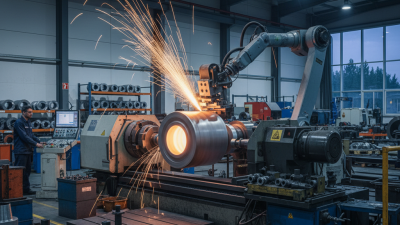
Mastering the art of spinning steel is both an exhilarating and challenging endeavor. It requires a blend of skill, experience, and safety awareness. This craft involves transforming flat sheets of steel into intricate shapes through high-speed rotation. The process can yield impressive results, but it is crucial to prioritize safety at every step.
Embracing the art of spinning steel means understanding the tools and machines involved. Each component, from the lathe to the tooling, plays a vital role in the outcome. Proper setup and technique are essential to avoid accidents. A moment of distraction can lead to mistakes that may be costly.
However, it is not only about technical execution. Reflection on practices and continuous learning are necessary. Even seasoned professionals encounter challenges. Sharing experiences can foster a community of learning. Ultimately, spinning steel combines creativity with caution, making it an art form worth mastering.

Understanding the Basics of Steel Spinning Techniques
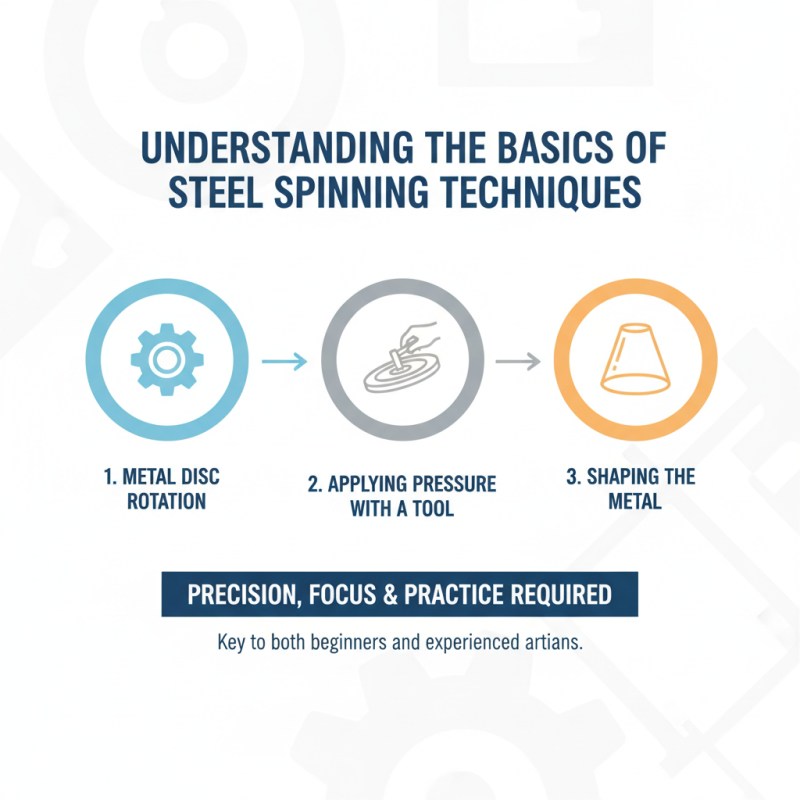
Steel spinning is an intricate craft that requires precision and skill. Understanding the basics can set a solid foundation for both beginners and experienced artisans. The process involves shaping a disc of metal by rotating it against a tool while applying pressure. This technique requires focus and practice.
Tips: Always wear protective gear. This includes goggles and gloves. Safety should never be compromised. Start with thinner sheets of steel to develop your technique. Experiment with different shapes and forms. This practice enhances your comfort with the material.
As you develop your skills, reflect on your progress. Every mistake offers a lesson. Sometimes the shape may not turn out as intended. Embrace these imperfections to improve your craft. Keep a journal of your projects. Noting your challenges can be invaluable for future reference. Each project teaches you something new about steel spinning and your capabilities.
Essential Safety Precautions for Steel Spinning
Steel spinning is an intricate process that demands strict adherence to safety protocols. High-speed rotation generates significant forces, and these forces can lead to accidents if not managed properly. According to a report by the American Society of Mechanical Engineers, more than 15% of metalworking accidents are linked to inadequate safety precautions. This statistic underscores the importance of creating a secure work environment.
When engaging in steel spinning, proper personal protective equipment (PPE) is a must. Safety goggles, gloves, and steel-toed boots can mitigate risks of injuries from flying debris or equipment malfunctions. The National Institute for Occupational Safety and Health highlights that wearing appropriate PPE reduces the likelihood of severe injuries by up to 40%. However, reliance on PPE alone is not enough. Ensuring that machines are well-maintained and operators are properly trained is essential. Regular inspections can prevent mechanical failures that often lead to accidents.
Moreover, workspace organization plays a critical role in safety. Cluttered areas increase the risk of tripping or accidental contact with hot or sharp materials. A study from the Occupational Safety and Health Administration demonstrated that organized workspaces could reduce incident rates by over 30%. Reflecting on personal practices and continuously adapting safety measures is vital in fostering a culture of safety in steel spinning.
How to Master the Art of Spinning Steel Safely and Effectively? - Essential Safety Precautions for Steel Spinning
| Precaution Item |
Description |
Importance Level |
Implementation Status |
| Protective Gear |
Use appropriate PPE including goggles, gloves, and ear protection. |
High |
Implemented |
| Machine Maintenance |
Regularly inspect and maintain machines to ensure safe operation. |
High |
Not Implemented |
| Safety Training |
Provide training to all workers on safe spinning practices. |
Medium |
Partially Implemented |
| Work Area Organization |
Keep the work area tidy to avoid accidents. |
Medium |
Implemented |
| Emergency Procedures |
Establish and communicate emergency procedures for accidents. |
High |
Not Implemented |
Choosing the Right Tools and Equipment for Spinning Steel
Choosing the right tools and equipment for spinning steel is crucial for both safety and effectiveness. A research report from the Steel Spinning Association highlights that about 35% of equipment failures come from using inappropriate tools. Selecting the correct lathe, tooling, and safety gear is essential. For instance, a well-calibrated lathe with the right power settings can enhance precision and reduce waste. Adequate tension and speed settings can help in achieving the desired outcome without compromising on safety.
Safety gear plays an equally vital role. According to occupational safety statistics, nearly 45% of injuries in metal spinning occur due to inadequate personal protective equipment (PPE). Proper gloves, face shields, and ear protection are necessary. They not only protect the operator but also improve focus and efficiency. However, even with proper gear, operators should always be mindful of their surroundings and the machinery's performance. Regular audits and checks can keep equipment running safely, but human error remains a factor. Reflecting on recent accidents, it's clear that while tools can improve safety, awareness is equally important.
Spinning Steel: Tool Usage and Effectiveness
Step-by-Step Process for Effective Steel Spinning
Steel spinning is a fascinating craft that combines art and precision. To achieve effective results, start by preparing your workspace. Ensure that you have a clean, organized area with all necessary tools at hand. Safety gear is crucial. Always wear gloves, goggles, and a mask to protect against flying debris. The spinning process requires both focus and skill, so eliminate distractions.
The next step involves choosing your steel material. Different thicknesses and grades will affect the spinning process. Mounted securely, the blank steel piece is set on the lathe. Apply even pressure with your spinning tools as you shape the steel. This part may seem simple, yet it requires practice. You may encounter challenges with uneven spinning or warping. Reflection is key here; analyze what went wrong to improve your technique.
As you refine your skills, explore various patterns and designs. Experimentation can lead to unique creations, but be prepared for mistakes. Not every piece will meet your vision the first time. Document your process and outcomes. Learning from flaws is essential for growth in steel spinning. With dedication and patience, you will master the art effectively.
Common Challenges and Solutions in Steel Spinning
Steel spinning presents unique challenges that require knowledge and skill. One common issue is material deformation. When spinning, steel can warp if the heat and pressure are not appropriately managed. According to industry reports, improper handling can lead to a rejection rate of up to 15% in production. Understanding the properties of the steel being used is crucial. The thickness, temperature, and speed all play vital roles in achieving the desired shape without compromising integrity.
Another significant challenge is achieving a smooth finish. Any flaws on the spun surface can lead to additional machining and increased costs. About 30% of polished steel products require secondary finishing processes, extending production timelines. Using the right tools and techniques can mitigate this. Employing advanced coatings or lubricants may enhance the surface quality. However, tool wear needs monitoring, as even minor abrasions can impact the final product. Regular maintenance and employee training can further optimize processes.
The workspace environment is equally important. A cluttered or unsafe area can lead to accidents or inefficiencies. Industry data highlights that over 60% of workplace injuries occur due to poor organization. Ensuring that the spinning equipment and workspace are well-maintained and orderly can improve safety standards. Encouraging feedback from operators can also reveal potential hazards early on. Regular training sessions can reinforce safety practices and operational skills.