Top 10 Flanging Machines in China for Global Buyers?
The global market for Flanging Machines is rapidly evolving. Recent reports indicate that the industry is expected to grow at a compound annual growth rate (CAGR) of 5.7% from 2023 to 2030. This growth is driven by an increasing demand for precision welding and fabrication techniques across various sectors, including aerospace and automotive manufacturing.
Industry expert Dr. Ron Chen emphasizes, "Flanging Machines play a critical role in enhancing the quality and efficiency of metal forming processes." As manufacturers seek to streamline operations, the need for reliable and innovative flanging solutions has become paramount. The Chinese market is particularly significant, showcasing a variety of advanced machines that cater to diverse buyer needs.
However, not all machines meet the standards required for high-performance applications. Some machines may compromise on durability or ease of use, leading to expensive operational costs. It’s essential for global buyers to carefully assess options. Understanding the specifications and features of top-performing Flanging Machines can save time and resources in the long run. Insightful evaluations can lead to better purchasing decisions, ensuring more effective metal forming processes.
Overview of Flanging Machines and Their Applications
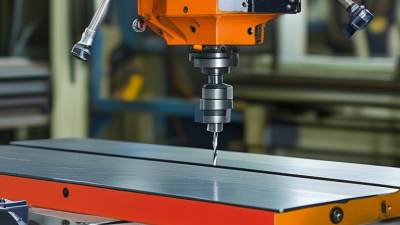
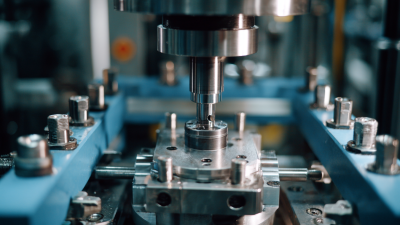
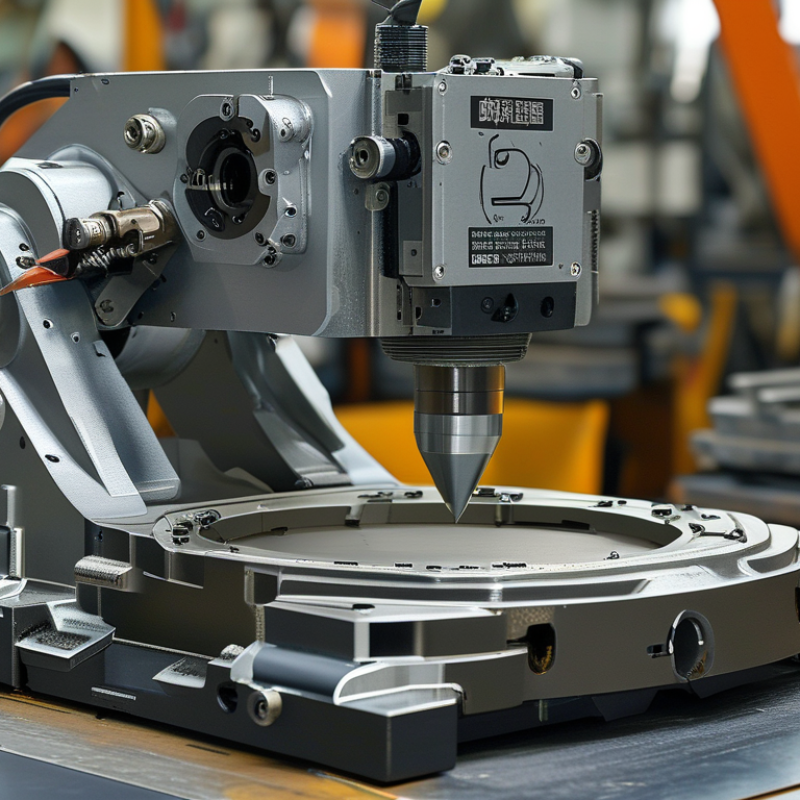
Flanging machines are essential in various industries, primarily in metalworking and manufacturing. They are designed to create flanges by shaping materials into selected geometries. This capability allows for strong connections in pipes, ducts, and other structural components. Their applications extend to aerospace, automotive, and construction, where precision is crucial.
Understanding how flanging machines operate is important. They can be hydraulic, mechanical, or pneumatic, each offering distinct advantages. Hydraulic machines provide high force and can work with thick materials. Mechanical machines, on the other hand, are suitable for high-speed operations. Despite their efficiencies, some machines may have limitations regarding the type of materials they can handle.
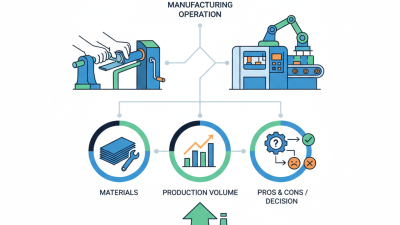
Users need to consider the specific requirements before selecting a machine. Factors such as material type, thickness, and production volume play a critical role. For example, a machine that works well with aluminum might not perform efficiently with steel. Continuous feedback from operators can lead to adjustments that improve overall machine efficiency. It’s essential to reflect on these aspects to ensure optimal performance in any flanging operation.
Key Features to Consider When Choosing Flanging Machines
When selecting flanging machines, several key features demand attention. Precision is critical. Choose a machine that offers high accuracy in creating flanges. According to industry reports, machines with CNC capabilities typically provide better precision, reducing the risk of human error. This can significantly enhance product quality and minimize waste.
Next, consider the machine's versatility. A good flanging machine should handle various materials and thicknesses. Many machines are now designed to work with metals, plastics, and even composites. This adaptability allows for a broader range of applications, making it a more valuable investment over time.
Tips: Always check the maximum flange thickness the machine can handle. Machines with adjustable settings can cater to different project needs.
Also, think about ease of operation. User-friendly interfaces can reduce training time and improve productivity. Reports indicate that companies with intuitive machinery often experience fewer operational disruptions.
Ultimately, investing time in analyzing these features can lead to better decision-making. Reflecting on your unique production requirements is crucial. After all, the right machine can transform operational efficiency and product quality.
Top 10 Flanging Machine Manufacturers in China
China is home to a dynamic manufacturing landscape, particularly in flanging machines. These devices are essential for forming and shaping metal parts across various industries. Recent industry reports indicate that the demand for flanging machines has surged by over 15% annually, reflecting a broader trend toward automation and precision engineering.
Key manufacturers in China contribute significantly to this growth. They focus on cutting-edge technology and strive for high efficiency. For instance, many of these companies emphasize energy-saving features in their machines. This aligns with a growing global emphasis on sustainable practices. However, quality control remains a pressing challenge. Some manufacturers may compromise on materials, leading to product failures under stress. Collaborative efforts in standardization could mitigate these issues.
Furthermore, continuous advancements in machine design are noteworthy. Sophisticated features, such as digital controls and improved durability, enhance productivity. Yet, the industry often grapples with a lack of skilled labor capable of operating these advanced systems. This skill gap must be addressed to capitalize on the benefits that modern flanging machines offer. The interplay of technology and human expertise will shape the future of this field.
Comparison of Pricing and Quality Among Chinese Brands
When choosing flanging machines in China, pricing and quality are crucial factors for global buyers. The market offers a diverse range of options, from budget-friendly models to high-end machines. It's essential to evaluate each machine's specifications and performance metrics carefully. Many local brands provide robust features, yet some may fall short in reliability over time.
Consider this: purchasing cheap equipment can lead to frequent maintenance issues. High-quality machines tend to have a higher upfront cost but promise durability and efficiency. Investing wisely can save you money in the long run. Don't just focus on the price.
When comparing models, pay attention to user reviews and ratings. This feedback can reveal hidden performance issues. Reach out to industry experts or peers who have experience with various brands. They can offer real insights and guidance. This peer consultation can prevent poor purchasing decisions. Be critical and thorough in your research.
Global Purchasing Tips for Flanging Machines from China
When purchasing flanging machines from China, it’s essential to navigate the market wisely. With a plethora of options, buyers should prioritize reliability and quality. Not all machines meet the same standards. Researching the manufacturers’ history can provide insights into their credibility. A reputable supplier often has extensive experience.
Consider visiting factories if possible. A firsthand inspection offers a real understanding of the production process. Check the machinery’s specifications. Focus on the materials and technology used in construction. Sometimes, lower prices indicate compromised quality. Avoid that trap; it may lead to regrets.
Here are some tips for global buyers: Evaluate customer reviews and testimonials. They provide a quick snapshot of a manufacturer’s reputation. Also, don’t hesitate to ask about warranties. A solid warranty speaks volumes about the confidence of the manufacturer in their product. Keep communication open. Language barriers can lead to misunderstandings, so clarify all details. A transparent relationship fosters trust and can prevent potential issues down the line.